100% import duties stall Nigeria’s water transport potential
By Chioma Obinna
Nigeria’s push to unlock its vast waterways for mass transit and economic growth is being choked by crippling import duties, with industry players warning that current policies are driving investors away, endangering safety, and slowing the sector’s expansion.
The Chairman of Bras Marine and Yacht Services Limited, Prince Yomi Sonuga, raised the alarm over what he described as “counterproductive” import tariffs of up to 100 per cent on boats, insisting that the policy is undermining efforts to build a modern and efficient marine transport system.
Speaking during a media tour, Sonuga said the high duties have created a dangerous trend where operators opt for cheaper, used vessels instead of safer, modern boats.
“We keep explaining to the government that charging 100 per cent duty on new boats will only encourage people to import used ones. Why are we doing this? They don’t seem to understand,” he said.
He warned that beyond discouraging fresh investment, the policy is also limiting access to advanced marine technology critical for safety and operational efficiency.
According to him, a deeper problem lies in the poor understanding of the sector among policymakers, many of whom, he said, wrongly view water transport as a luxury or tourism-driven activity rather than a viable alternative for mass movement.
“This is not just tourism; this is water transport and commercial transportation. Unfortunately, some decision-makers don’t fully understand its importance,” Sonuga added.
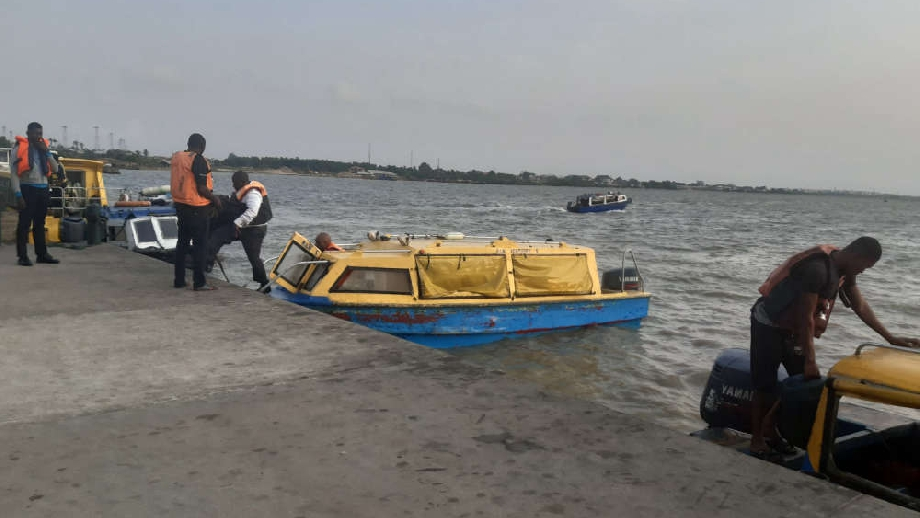
With Lagos battling chronic traffic congestion, Sonuga argued that waterways offer a practical, cost-effective alternative capable of transforming urban mobility if properly developed.
“Waterways transportation cuts the cost of transport, reduces emissions, and eliminates the stress of traffic. It can significantly reduce congestion if properly harnessed,” he said.
He stressed that deploying modern, high-quality vessels would boost commuter confidence and safety, citing globally recognised brands such as Sea Ray as benchmarks.
“For those who understand safety and have done due diligence, Sea Ray stands out. One unique feature is that the boat does not sink, which is important in ensuring passenger safety,” he noted.
Sonuga added that with the right vessels, Nigeria could fully optimise regional water routes, including Lagos to Port Harcourt and neighbouring Cotonou, opening up new economic corridors.
Also speaking, Managing Director of the company, Austin Apkovili, said the firm’s 40-year survival in Nigeria’s harsh business environment underscores resilience built on integrity and customer trust.
“This is our 40th year. We are tested and trusted, and we’ve been through everything. You can check how many firms in this country can last for 40 years. What has sustained us is integrity. From day one, our business has been built on honesty, and that has never failed us,” he said.
Apkovili emphasised that the company’s customer-first approach has remained a cornerstone of its operations, citing instances where it went beyond commercial obligations to support clients.
“We had a customer who bought a boat from us but didn’t have a parking space. Because we have our own facility, we allowed him to use it for about one or two months until he secured a suitable location. That is part of our commitment to accommodating our clients,” he explained.
Despite its potential, stakeholders say poor docking infrastructure remains a major bottleneck to growth, with many facilities falling short of global standards.
“Most of the docking facilities are not up to the standard they should be. Ideally, you should be able to park your boat, have your car right behind it, relax, and enjoy the environment,” Apkovili said.
He contrasted Nigeria’s situation with developed countries, where boating is seamlessly integrated into lifestyle and leisure.
“In many foreign countries, people park their cars behind their boats, go out with their families, have dinner, return, and even sleep on their boats over the weekend. That is what these boats are designed for comfort and recreation,” he noted.
While expressing optimism over ongoing improvements in Lagos waterways infrastructure, Sonuga insisted that without urgent policy reforms, the sector’s full potential would remain out of reach.
“The government needs to make the environment more user-friendly. If properly harnessed, waterways can transform transportation and boost economic growth,” he said.