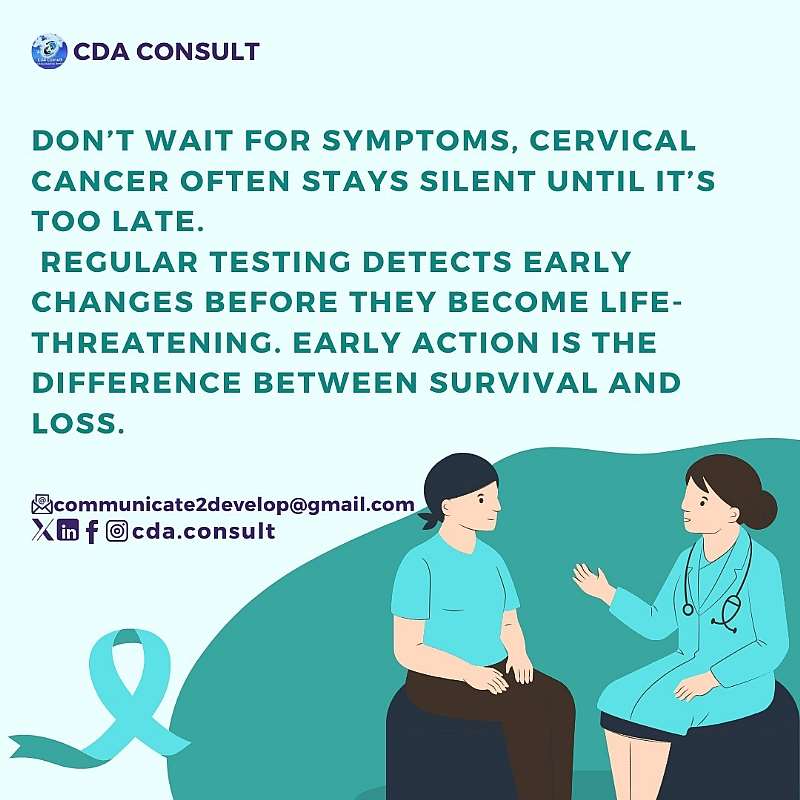
CDA Consult calls for routine health screening for workers to improve workplace wellbeing


The Communication for Development and Advocacy Consult (CDA Consult) is calling for the introduction of a comprehensive and periodic health assessment programme for workers to promote early detection of illnesses, reduce work-related risks, and improve overall workplace wellbeing.
The Executive Director of CDA Consult, Mr. Francis Ameyibor, has urged employers to institutionalise regular medical screening schedules as part of workplace policy to help identify potential health challenges early and address them before they become severe.
Speaking on the sidelines of CDA Consult’s weekly health information platform, “Your Health! Our Collective Responsibility,” Mr. Ameyibor noted that many employees develop health complications during their working years due to factors within the work environment.
He cited poor workplace conditions, outdated equipment, inadequate seating arrangements, and work-related stress as major contributors to long-term health problems.
According to him, research and observation suggest that the impact of one’s working life often becomes more evident in later years, making workplace health protection a shared responsibility between employers and employees.
Mr. Ameyibor observed that many workers are unaware of the health risks associated with their occupations, stressing that routine medical screening plays a critical role in early detection and prevention.
He added that studies have shown a strong link between working conditions and health outcomes in retirement, highlighting the need for sustained attention to occupational health and safety.
He further noted that stress, long working hours, poor dietary habits, lack of rest, and poor work life balance significantly contribute to chronic health conditions over time.
He therefore urged both employers and employees to take proactive steps to minimise workplace related health risks.
“Whatever you do today may have an effect on your health when you advance in years. At that crucial moment when your sources of income have also diminished, your employers may not be available to take care of treatment costs. Protect your health today for a healthy life tomorrow,” he cautioned.
Mr. Ameyibor also warned that medical experts have linked conditions such as diabetes, hypertension, spinal disorders, eye problems, mobility challenges, and cardiovascular diseases to prolonged exposure to unhealthy work habits.
He added that many mental health challenges among workers, including anxiety, depression, and burnout, are often triggered by workplace pressure, while physical conditions such as obesity, sleep disorders, and musculoskeletal problems are also closely connected to work environments.
To address these challenges, he encouraged workers to adopt healthier lifestyles and maintain a strong work-life balance through regular exercise, proper nutrition, and stress management practices.
He also advised employees to set clear boundaries between work and personal life, emphasising the importance of rest and recovery.
“Develop the habit of taking regular breaks and time off to rest and recharge. Take vacations, visit interesting places, enjoy nature, and engage in healthy social interactions,” he said.
Mr. Ameyibor further encouraged workers to nurture relationships outside the workplace and avoid excessive workloads, noting that maintaining emotional, physical, and psychological wellbeing is essential for long-term health.
He concluded that striking a balance between work and healthy living can significantly reduce the risk of chronic illnesses in later life and improve overall quality of life.