
7 genius ways to use sun-dried tomato oil
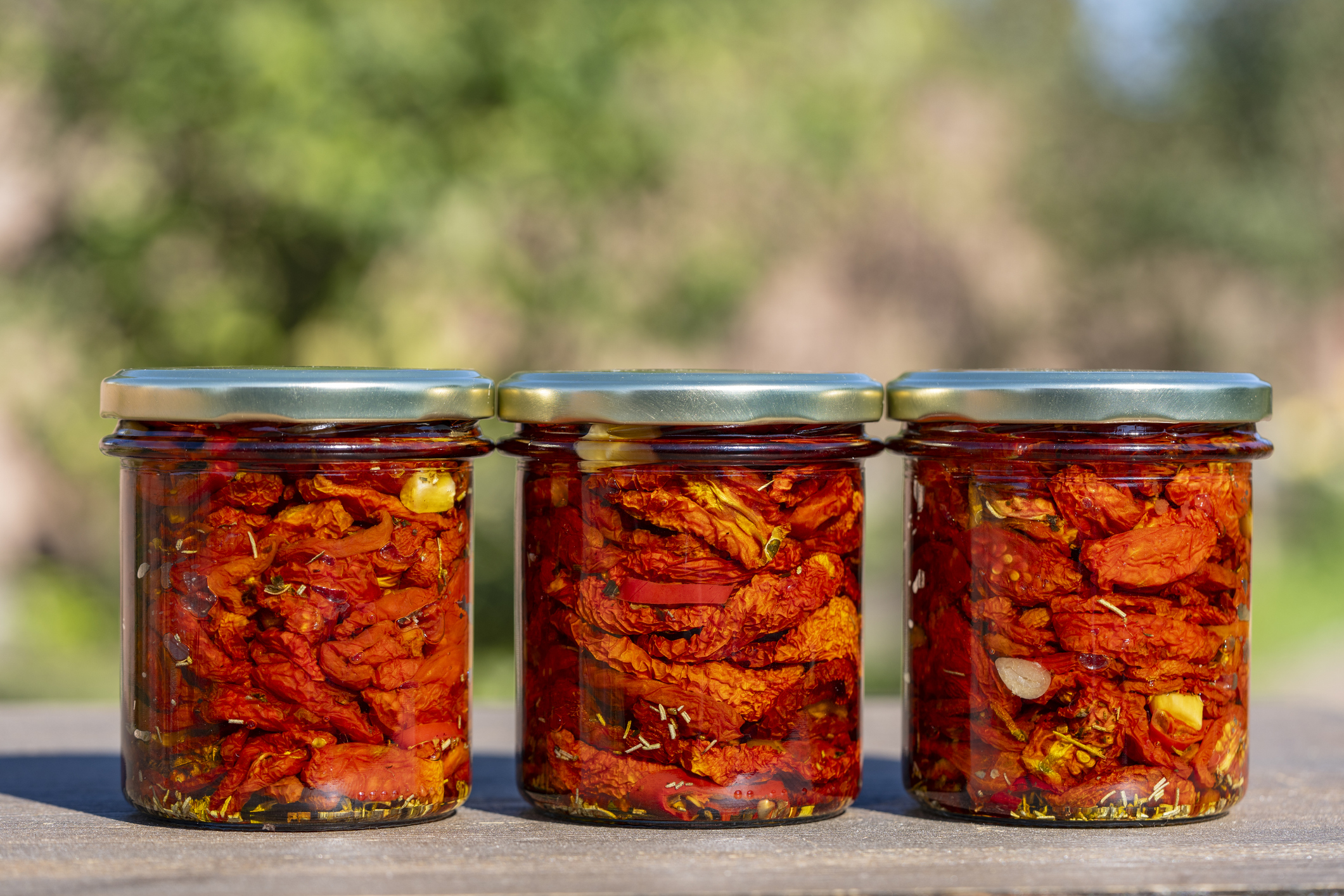
Peak tomato season gets all the glory.
Every summer, we celebrate tomatoes in their freshest form: sliced onto sandwiches, layered into caprese salads, piled onto toast. They’re the golden child of the produce aisle, the ingredient that inspires pilgrimages to farmers markets and endless declarations that this is the year we’ll finally grow our own.
But if fresh tomatoes are summer’s darling, sun-dried tomatoes are their moodier, more savory cousin.
They’re concentrated. Intense. A little salty, a little sweet, packed with the kind of umami flavor that takes any dish to the next level, and elevates a flavor profile to make you feel like a pro.
Growing up in an Italian family, there was never a shortage of jars in the pantry. My Nonno and Zii always seemed to have shelves lined with preserved vegetables — roasted peppers, artichokes, mushrooms, and, of course, sun-dried tomatoes suspended in oil. Nothing went to waste. If there was flavor left in the jar, there was still a purpose for it.
Which is why I’m going to teach you how to never pour that delicious oil down the drain again.
Want more great food writing and recipes? Sign up for Salon’s free food newsletter, The Bite.
At the most basic level, it’s a flavored alternative to olive oil. Use it to roast vegetables, drizzle it over pizza, toss it with pasta or dip bread into it. That’s the obvious stuff. The oil has spent weeks absorbing garlic, herbs, tomato sweetness, and savory depth. It’s essentially something between olive oil and olio santo, except it’s a little sweeter and less spicy.
But if you want to take things a step further, here are seven ways to put every last drop to work.
The ready-made salad dressing
Homemade salad dressing is one of those things that sounds more impressive than it actually is.
The formula is simple: oil, acid, seasoning.
Using sun-dried tomato oil as the base instantly makes the whole thing more interesting. Whisk it with red wine vinegar or lemon juice, add a spoonful of Dijon mustard, and suddenly your everyday vinaigrette tastes layered and complex.
It’s especially good on salads that already lean Mediterranean — think mozzarella, white beans, grilled chicken, cucumbers or fresh tomatoes.
The best part is that the flavor is already built in. The jar did the work for you.
That marinade that makes everyone ask what’s different
Marinades are, similarly, all about fat, acid and seasoning.
Sun-dried tomato oil already checks two of those boxes before you even start.
Mix it with garlic, lemon, herbs, and a little salt, then use it on chicken, steak, shrimp or pork. The oil helps carry flavor into the meat while lending a subtle savory sweetness that doesn’t immediately register as tomato.
It’s similar to what pickle brine does for chicken: people notice something special, but they can’t quite identify it. That’s usually a sign you’ve found a good trick.
The eggs that made me feel like a genius before 9 a.m.
If there’s a half-inch of sun-dried tomato oil left in a jar, there’s a very good chance I’m frying eggs in it the next morning.
This is probably my favorite use on the list because it’s almost effortless.
Heat the oil in a skillet, crack in a couple of eggs, and let the edges crisp. The oil perfumes the whole pan with garlic and tomato while adding a subtle richness to the eggs themselves.
If you want to go a step further, add a spoonful of chili crisp to the pan. The combination of spicy chili oil and sweet-savory tomato oil is wildly good.
Serve it over toast and suddenly breakfast feels much more intentional than it actually was. If I close my eyes, I’m on a sun-baked patio overlooking the Adriatic Sea and not semi-rushing my way out the door to work.
The caprese martini for tomato girl summer
Every trend eventually finds its way into a martini glass.
Lately, that trend is tomatoes.
Caprese martinis have started appearing on cocktail menus everywhere, joining the ongoing evolution of the martini from simple cocktail to culinary playground. The ‘90s had green apple and the cosmo, we have tomatoes and cheese. And honestly? It kind of makes sense.
A splash of sun-dried tomato oil can add depth and savory complexity to tomato-forward cocktails in the same way olive brine transformed the dirty martini.
I’m not suggesting you dump half a jar into your shaker. But a small amount can bring a rich, sun-soaked quality to a drink that already leans savory.
For anyone embracing tomato girl summer, it feels like the logical next step. Add a mozzarella ball garnish and a dash of balsamic vinegar, and you’re set.
The focaccia that starts with the bottom of a jar
Few foods are more forgiving than focaccia, and few foods benefit more from flavorful oil.
Instead of using plain olive oil, brush sun-dried tomato oil across the dough before baking. The oil seeps into every crevice, helping create those crisp golden edges that make focaccia so irresistible.
Top it with flaky salt, rosemary, garlic, or even chopped pieces of the remaining sun-dried tomatoes.
The result tastes like something from a neighborhood Italian bakery, even if it came from your own oven.
The mayo upgrade you didn’t know you needed
Making homemade mayonnaise sounds intimidating until you realize it’s mostly oil and a can-do attitude.
Sun-dried tomato oil brings an incredible amount of flavor to the process.
Blend it slowly with an egg, mustard, and lemon juice for a punchy, flavorful homemade mayo, or stir a spoonful into store-bought mayonnaise for a shortcut version. The result is richer, more savory, and infinitely more interesting than plain mayo.
Spread it on sandwiches, use it for burgers, spoon it into wraps, or add it to chicken salad. Almost like with the oil itself, the possibilities are endless.
The secret ingredient for every dip
This is the easiest use of all.
The next time you’re making hummus, whipped feta, baba ganoush, white bean dip, or even a simple yogurt dip, add a spoonful of sun-dried tomato oil.
That’s it.
The oil melts into the dip, bringing garlic, herbs, tomato, and richness along with it. It deepens flavor without requiring any extra ingredients, which is exactly the kind of kitchen shortcut I appreciate most. It’s also a good reminder that some of the best ingredients aren’t the ones we buy specifically. They’re the ones we almost threw away.
The whole point of the “bottom of the barrel” approach is learning to see ingredients differently.
Most people open a jar of sun-dried tomatoes for the tomatoes. The oil is treated like packaging, something useful only until the last tomato disappears. But somewhere along the way, all those tomatoes, herbs, and spices have been quietly flavoring the oil. By the time you reach the bottom of the jar, what’s left isn’t waste at all.
In some ways, it might be the best part.
Read more
about this topic