
As Hollywood courts influencers, movie critics are getting squeezed out
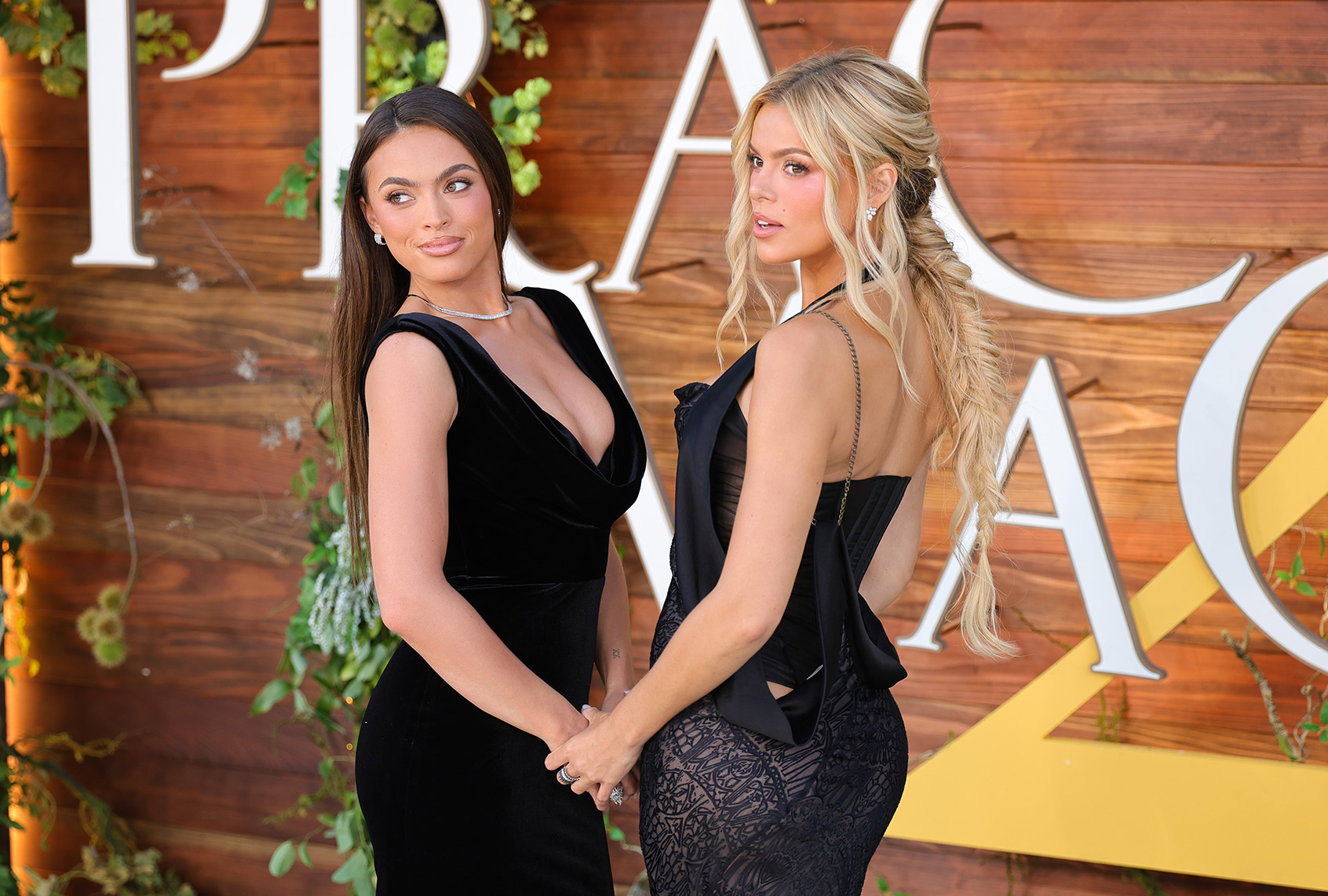
Modern-day movie publicity has changed significantly over the last several years. The standard routes of press interviews on shows like “Access Hollywood” and “Entertainment Tonight” are still around, but they’re far from the main way people hear about a new movie. Today’s stars are now doing interviews in costume, on subways, and talking to other celebrities on their various podcasts. But with that change come questions of who’s getting access (and who’s being left out) and what it says about publicity as a whole.
Recently, entertainment newsletter The Ankler discussed the rise of influencer/celeb podcaster culture and the demands being thrown around as these content creators grow as big as the stars they interview.
The rise of influencers in movie marketing feels starker than it did even a decade ago as studios and films utilize anyone with a large following to promote their product. According to a 2022 piece written by The Hollywood Reporter, the big summer tentpole films were setting aside “$150 million or more on global marketing spend for the biggest titles.” But that wasn’t simply to rent hotel spaces for junkets; it also goes toward catering to the sheer number of influencers and podcasters that have cropped up with large audiences that could translate into butts in seats.
This move is reliant on the presumed authenticity of these new spaces. An influencer is deemed one that is not in the Hollywood industry, but an average person. “We’re almost utilizing ordinary people to market films, versus the elite [that] film critics used to be,” Jax Hillard, a talent manager to content creators, tells Salon. “It used to be a very close knit group of film critics, and now it’s kind of expanded because people have more of a voice on the internet.” Even in the landscape of celebrity podcasts, there’s a presumption that celebrities can be more honest as they’re ensconced in a safe space with people just like them.
The rise of influencers in movie marketing feels starker than it did even a decade ago as studios and films utilize anyone with a large following to promote their product.
In a way, this move feels like a reversion to the fan magazines of the Old Hollywood era. While there were established columnists like Walter Winchell, Adela Rogers St. Johns, Hedda Hopper and Louella Parsons, most articles in these magazines either went unbylined or were written under pseudonyms. This is often because studios themselves dictated the stories and angles being written about. Outside of more salacious tabloids, like Confidential, fan magazines like Photoplay and Motion Picture Magazine became places where stars could craft their narratives, promote their newest projects, and create a veneer of seeming perfection for a captivated audience.
“Most movie magazines relied on movie studios for information and access to stars,” Terry Hoover writes for The Henry Ford. “The stories that appeared were carefully controlled by the studios’ public relations staff. It was a strange marriage between the studios, which needed the support of the magazines, and the magazines, whose existence depended on the success and goodwill of the industry.”
Want more from culture than just the latest trend? The Swell highlights art made to last.
Sign up here
And much like Parsons, Hopper, and the other established columnists of the fan magazine era, there’s a push towards utilizing these same studios to further one’s brand. That’s because today’s influencers and podcasters are celebrities in their own right. The marketing of a movie must align with their marketing of themselves. So that means there are no large sums of money exchanged to book time with talent.
“There has to be synergy within collaborations,” said Hillard. “It can’t all just be one-sided . . . everything has to align. Just getting the invite is great, but it can’t just end there. It has to also be self-serving as well to make sure that you’re getting brand awareness so that your own personal brand is rising in connection to things that you’re partnering and doing. That’s just a good business model.”
However, in the wake of widespread layoffs at various companies that employ entertainment writers, this closing of ranks within the world of entertainment publicity creates an “us vs. them” mentality. Now, critics are left to clash with influencers as they struggle to maintain access that could, in theory, help them continue to get jobs. “People are gravitating to people that they trust,” Hillard said. “Susan from Ohio might love the content creator that they love following, and they’ll trust every word that she says. But the people that are actually embedded in the industry are leaning more into the critic side. It’s an evolving landscape, and we really don’t know where it’s going.”
Today’s influencers and podcasters are celebrities in their own right. The marketing of a movie must align with their marketing of themselves. So that means there are no large sums of money exchanged to book time with talent.
There are certainly questions about where things are going. The sheer amount of influencers and podcasters is leading to an increasing glutting of the market. “The number of influencers, hosts and producers that publicists need to know and build trust with has become both unwieldy and ever-changing — nothing like the days of a relatively stable list of magazine editors, TV news producers and late-night contacts on speed dial,” writes The Ankler’s Nicole LaPorte. Does this mean the bubble could burst?
“Everything has the potential to burst,” said Hillard, who explained there’s now a push towards “rage baiting,” or being intentionally negative, in order to get higher views and engagement on their videos. It’ll mean individual content creators will need to remain authentic in order to stand apart from the herd, albeit without being too effusive in their praise. “If every movie is so amazing, five stars on Letterboxd every time, those people you’re not going to want to gravitate towards,” Hillard added. “People that are giving an honest take about films and what they thought, even if they didn’t love it . . . I think that’s where people will just gravitate towards naturally.”
Read more
about this topic