
This new “Cape Fear” has me rooting for Max Cady
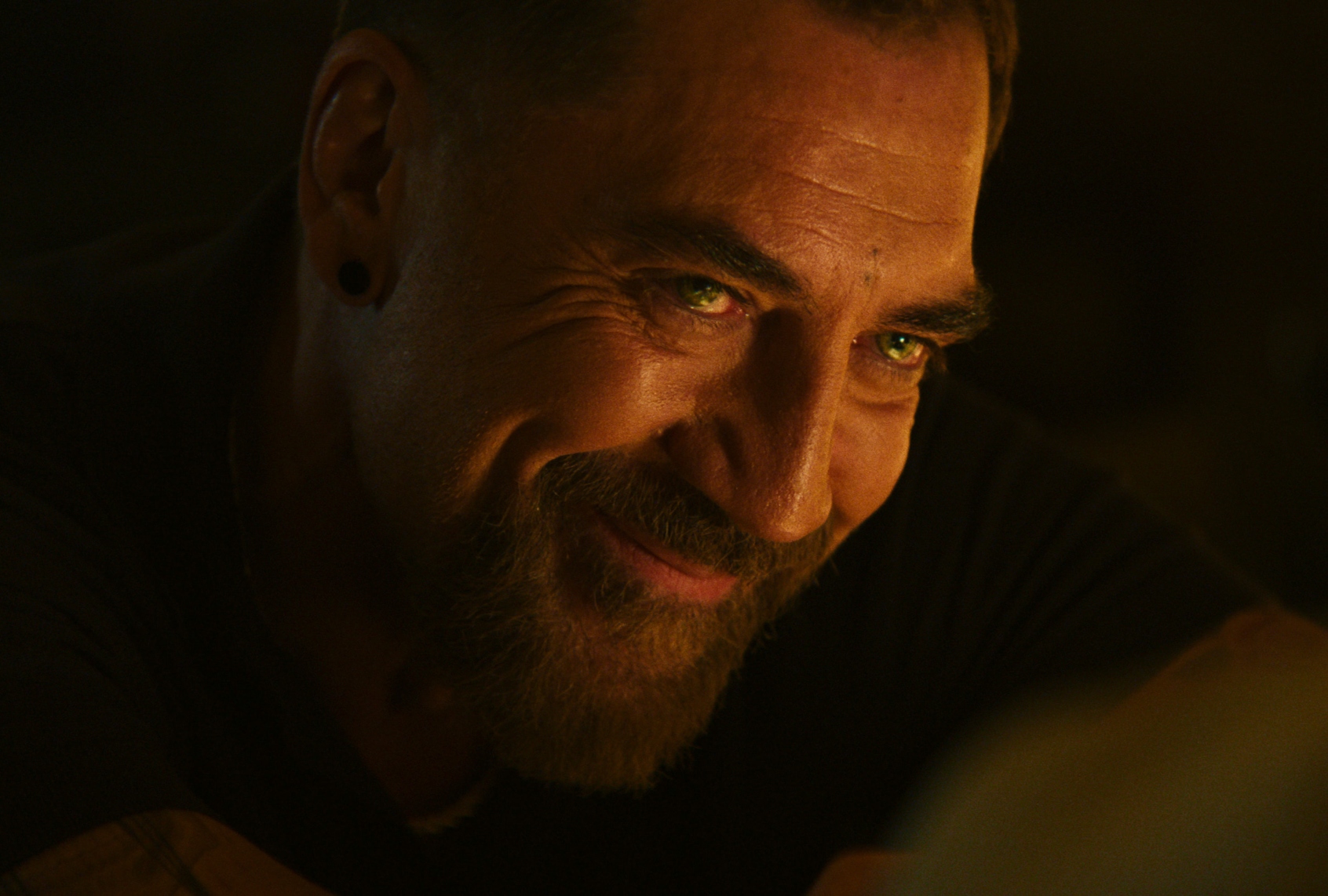
It was the Peanut Butter heist that won me over. Everyone watching “Cape Fear” knows what I’m talking about – it’s the sixth-episode confrontation in which Max Cady, played by Javier Bardem, tangles yet again with his nightmare neighbors Anna (Amy Adams) and Tom Bowden (Patrick Wilson).
Some of you may be thinking I’ve mischaracterized the Bowdens since past versions of “Cape Fear” establish Max as the nightmare. But for all of Tom and Anna’s trepidation toward Max, they do little to thwart him from being all up in their business.
In one scene, Anna discovers Max in her kitchen making a sandwich for her son Zack (Joe Anders). In another, her daughter Natalie (Lily Collias) hitches a ride with him. Anna carpools with him too, and Tom joins Max for a few drinks at a local bar. The Bowdens spend more time with their local tormentor than I have ever spent with my neighbors, whom I like quite a bit.
All this happens after Zack turns up with a missing toe, which Anna suspects Max orchestrated. Just like she and Tom strongly suspect Max spiked the family’s iced tea with Tom’s stash of LSD. Why does Tom have a stash of LSD? For microdosing, because Tom is a yuppie who hates his life.
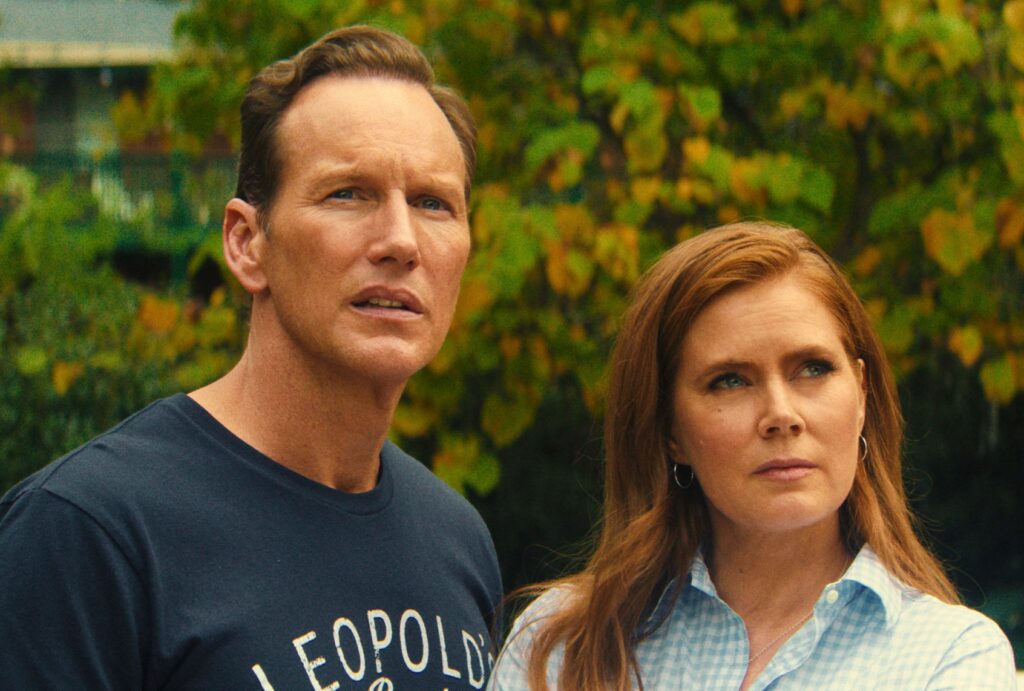
(Apple TV) Patrick Wilson and Amy Adams in “Cape Fear.”
Anyway, when the couple angrily strides across the street to confront Max, we’re supposed to be in their corner. But Max’s door is open to them, and inside they find him preparing a luxurious meal. Before Tom gives the hardened ex-con an earful of what for, he and Anna are shocked silent when their cat strolls into Max’s kitchen.
“You took Peanut Butter?” Tom yelps in a way that halts Max in his tracks. He walks over to the cat and picks him up, and in previous adaptations of this story, this might signal that a disturbing act of animal cruelty is about to happen.
But Bardem’s Max is a different breed of psychopath from those previously embodied by Roberts DeNiro and Mitchum. “Peanut Butter? Really?” he says. “You’re calling this majestic creature . . . Peanut Butter?” Then he kisses kitty on the cheek and reintroduces him as Maní – the Spanish word for peanut.
“Maní will come home when he’s ready,” he says later. “You can’t force a cat.”
“Cape Fear” has now inspired three screen adaptations – two of them feature-length films that last about as long as the endurance limit most people have for its brand of sadism. In adapting the premise for TV, series creator Nick Antosca dilutes the movies’ naked menace by pouring reasonable doubt into both Max’s profile and that of the Bowdens, the married lawyers behind his downfall.
That doesn’t save “Cape Fear” from being a 10-hour slog set to an imitation of Bernard Herrmann’s anxiety-inducing score, but it does lend a little intrigue to Antosca and Bardem’s interpretation of Max.
Everyone in this series is some shade of awful.
The TV variation of Max Cady is where the classic prestige drama Difficult Man shakes hands with a manosphere cultist’s pent-up aggression. Bardem’s villain is built more like an aughts-edition antihero. He was once a respected celebrity chef who loved his wife even though he cheated on her, and exudes a kind of danger that brings out a touch of Bonnie and Clyde syndrome in horny strangers.
Meanwhile, Anna and Tom Bowden are a split version of the attorney previously played by Gregory Peck and Nick Nolte, Sam Bowden. Their relationship with Max is also much more personal: Anna was Max’s pregnant lawyer in the trial where Max stood accused of killing his expectant wife, while Tom was the prosecutor.
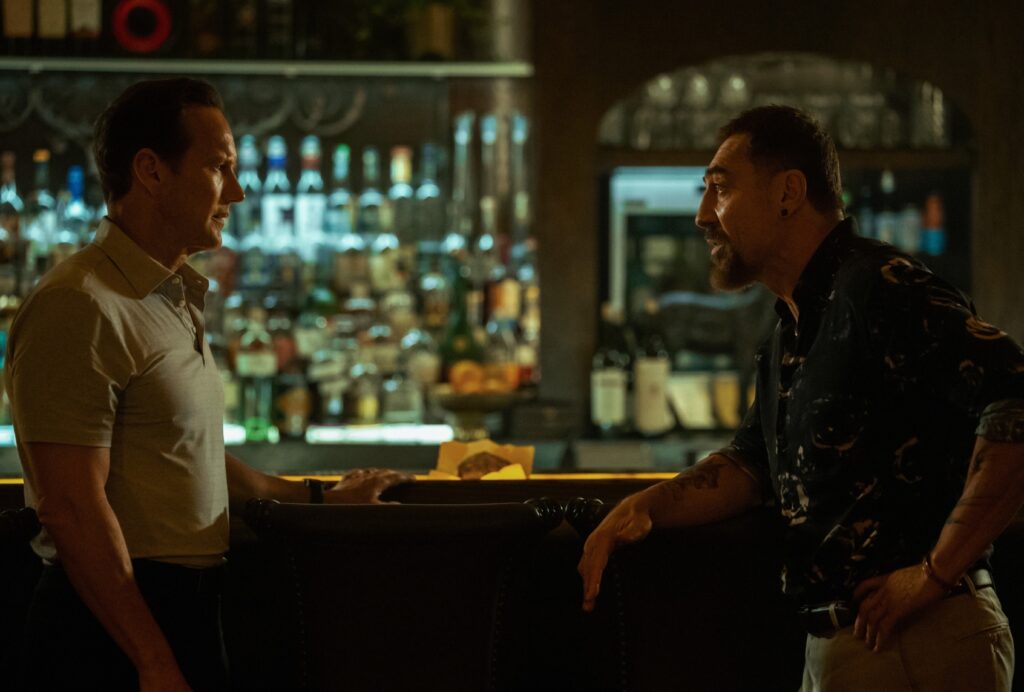
(Apple TV) Patrick Wilson and Javier Bardem in “Cape Fear.”
At some point, Anna persuaded Max to plead guilty even though he maintained his innocence. Shortly after Max’s trial ended, Anna and Tom got married, Anna got sober, and both buried a few secrets. While Max spent 17 years in prison, Anna built a reputation for freeing wrongfully convicted inmates, while Tom went to work for a fancy law firm.
It’s hard not to feel some kind of sympathy for Max, who sustained a severe brain injury while he was incarcerated that required surgeons to install a metal plate in his skull. As he tells a fellow prisoner in a flashback, he’d never murdered anyone before he killed the men who attacked him. Who knows if that’s true? Then again, Anna and Tom aren’t exactly paragons of honesty either.
Everyone in this series is some shade of awful. Anna’s boss, Noa (CCH Pounder), thinks Max is just the greatest, to the point of gaslighting her unnerved colleague. An unhinged girl who turns out to be his secret daughter, Nevaeh (Malia Pyles), has been living in the walls of the Bowdens’ house and messing with their kids. Max even has his own stalker played by Juliette Lewis, who also starred in the 1991 movie.
Still, there’s no getting around Max’s demonic impulses or the Bowdens’ clumsy game of FAFO mixed with “You Started It.” As Anna and Tom keep saying, Max was going to come after them no matter what. But good lord, they are bad at this.
I’ve always understood Max Cady to be a poisonous extension of the male ego, dating back to “The Executioners,” John D. MacDonald’s 1957 book that started it all. Max Cady either validates the paranoia of upstanding men obsessed with protecting or dominating women, or the disdain felt by those whom such men look down upon.
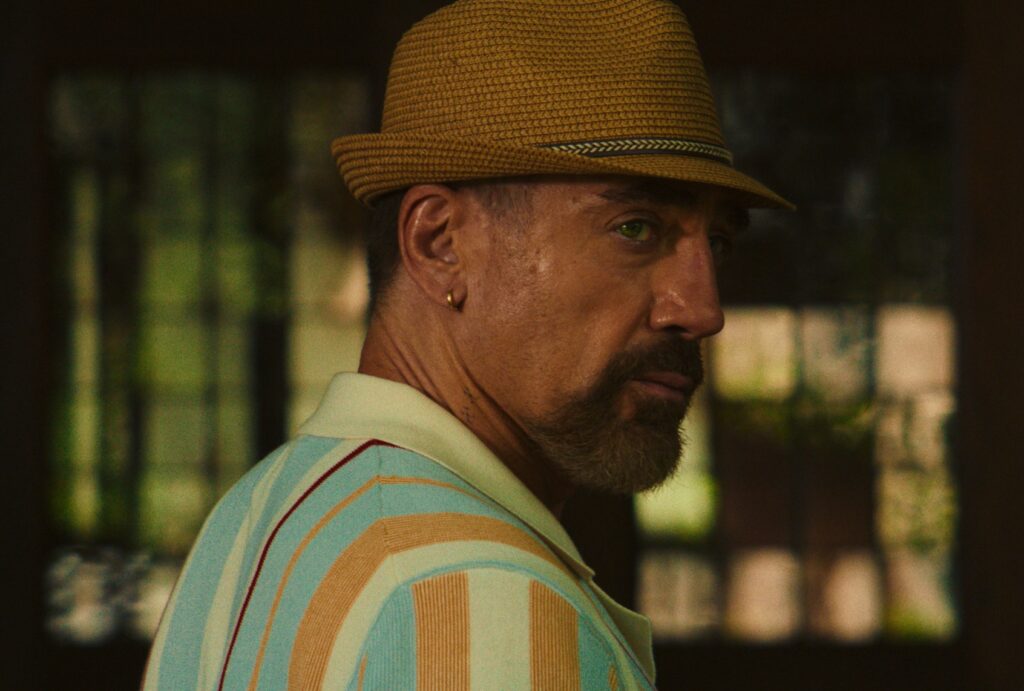
(Apple TV) Javier Bardem in “Cape Fear.”
Relatedly, his cinematic incarnations have evolved over the years: In the 1962 film, Mitchum’s Cady is a straight-up unrepentant criminal terrorizing Peck’s Sam Bowden by threatening to rape his wife and virginal teenage daughter. DeNiro’s take in Martin Scorsese’s 1991 remake amplifies Max’s barbarism and Lewis’ Lolita vibe as Sam Bowden’s daughter, establishing her teenage curiosity about Max by sucking on his fingers. (Scorsese is also listed as an executive producer on the series, along with Steven Spielberg.)
Antosca’s choice to leave rape out of the equation in the TV show, then, is a smart one. Instead, he falls back on a tried-and-true fridging: Not only was Max’s wife brutalized to a degree that there were knife marks on her bones, but the killer also cut his unborn child out of her belly.
Want more from culture than just the latest trend? The Swell highlights art made to last.
Sign up here
By the rule of Difficult Men, if Max does bad things, he has his reasons. And if he does those things to terrible people, they probably have it coming. Unfortunately, one of the people who paid the ultimate price in this feud is Anna’s coworker, whom she couldn’t leave out of her personal problems. He’s currently resting in pieces, poor guy.
The plot of “Cape Fear” dictates that this sporting tale of homicidal pettiness can only end one way. Until that inevitable conclusion, I’ll be rooting for Max Cady’s campaign against the Bowdens’ vortex of selfishness, which is entirely OK to do. None of these people is real, but the irritations they represent – NIMBYism, narcissism and the compulsion to destroy others to build ourselves up – are quite familiar. If the Bowdens were better written, I wouldn’t wish them ill. But I always trust the instincts of a good cat.
“Cape Fear” is currently streaming on Apple TV.
Read more
about this topic