
Stop throwing out your pickle juice: 7 creative ways to use it up
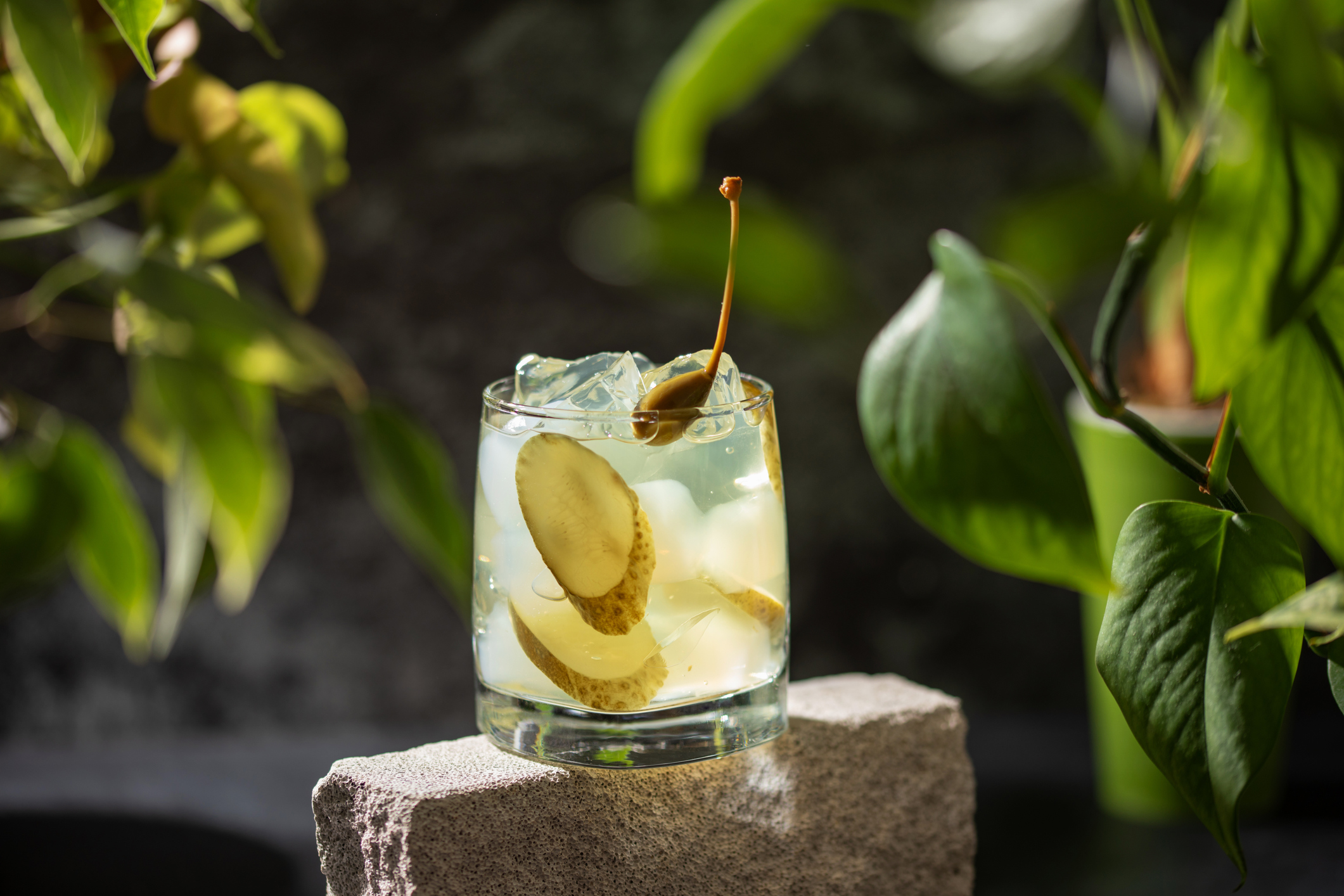
Pickles are summer’s favorite accessory. They show up alongside burgers at cookouts, tucked next to sandwiches at beach delis, speared into Bloody Marys, eaten cold straight from the fridge after a day outside. They’re refreshing in a way that’s almost medicinal: salty, sharp, ice-cold. Some may say the snap of a crisp, cool pickle on a hot day is even more satisfying than the soda tab pop in a Coca-Cola commercial.
There’s a reason runners swear by pickle juice as a recovery drink, and why “pickle girls” have become their own corner of the internet. Pickles don’t just taste good in the summer. They belong to summer.
But if pickles are the star, pickle juice is usually treated like the aftermath. Once the spears are gone, most of us dump the cloudy green brine straight down the sink without thinking twice about it. Which, honestly, feels like a waste.
Because pickle juice isn’t just leftover liquid. It’s vinegar, salt, garlic, dill, spice, acidity and flavor that’s already been built for you. The bottom of the jar is often the best part.
Here are the ways I use it most, especially this time of year, when there’s always at least one half-empty pickle jar sitting in my fridge.
The pickle lemonade that sounds wrong (until it isn’t)
The first time I saw pickle lemonade on a menu at a local soda counter, I assumed it was one of those novelty tourist foods designed more for social media than actual enjoyment.
And yet…
The pickle brine adds something surprisingly good to lemonade — not enough to make it taste overtly “pickle-y,” but enough to deepen it. The salt sharpens the citrus and makes the sweetness feel brighter rather than cloying. On a hot day, it’s incredibly refreshing in the same way a margarita rimmed with salt is refreshing. Now that I think about it, pickle margarita is a million dollar idea. You can take that one for free.
Lemonade already thrives on the tension between sweet, tart, and salty. Pickle juice just pushes that balance a little further. A splash is usually enough alongside your favorite lemonade recipe. Too much and you’re in gimmick territory. But the right amount makes people pause after the first sip and go, “Wait…why is this good?”
Want more great food writing and recipes? Sign up for Salon’s free food newsletter, The Bite.
The enigmatic fried chicken
This is my favorite use for pickle juice, partly because the payoff feels disproportionate to the effort.
Brining chicken in pickle juice — whether for fried chicken, grilled chicken or air-fried tenders — keeps it unbelievably moist while adding a subtle tang that’s difficult to identify outright. You don’t bite into it and think, pickle. You just know it tastes different from other chicken in a way that works.
That’s because the brine is doing several jobs at once. The salt seasons the meat deeply, the acidity tenderizes it, and the garlic-and-dill flavor adds an herb-y depth for a subtle wow factor. It’s one of those cooking tricks that seems random and like it doesn’t actually add anything but immediately earns a permanent place in your rotation once you try it.
And it makes the last of the pickle juice feel far too valuable to throw away.
The “second life” pickles
One of the most satisfying things you can do with leftover pickle brine is, simply, use it again.
Slice up cucumbers, red onions, carrots, radishes, jalapeños — whatever vegetables you have hovering on the edge of being forgotten — and drop them into the jar. Give it a day or two in the fridge, and suddenly you’ve extended the life of both the vegetables and the brine.
The second round is usually a little softer, a little less punchy than the original pickles, but still deeply useful. They end up on sandwiches, tacos, grain bowls, salads.
It’s a fast, low-effort way to minimize waste and feel resourceful in the kitchen.
The viral pickle dip that took over everyone’s feed
If your social media algorithm resembles mine even slightly, you’ve probably seen the viral pickle dip by now.
The general formula is simple: chopped pickles, cream cheese or sour cream, herbs, ranch seasoning, maybe shredded cheese, all whipped together into something aggressively scoopable. Versions inspired by Grillo’s Pickles have been everywhere lately for good reason.
And pickle juice is what makes it work. A splash stirred into the dip cuts through the richness and turns it from merely creamy into something brighter and more addictive. It gives the whole thing that unmistakable deli-counter sharpness. It’s the kind of appetizer that starts as “I’ll just try one bite” and somehow ends with an empty bowl and half a bag of chips gone.
The creamy dressing you’ll use on everything
Most homemade creamy dressings have the same problem: they’re flat. They need more brightness, more salt, more personality. Pickle juice solves this almost immediately.
Pickle juice should be your go-to salt substitute. Add a spoonful to your next homemade dressing: ranch dressing, Caesar dressing, coleslaw, anything mayo-based, and it suddenly tastes more alive. The vinegar cuts through richness while the garlic and dill add complexity without requiring extra work. And don’t stop at dressings, you can add it to other sauces and dips too like chimichurri, tzatziki, tahini, pesto; the possibilities are endless.
Once you start doing this, it becomes difficult not to.
The secret ingredient in every “salad”
Chicken salad, tuna salad, pasta salad, potato salad — any of the vaguely retro, mayo-bound “salads” that aren’t really about lettuce at all — benefit from pickle juice.
Just a splash adds contrast. It wakes everything up.
Without it, these salads can sometimes feel heavy or one-note. With it, they taste sharper, brighter, more balanced. The acidity keeps the richness from becoming overwhelming, especially after a day in the fridge when everything has settled together.
It’s a small addition, but one that makes people ask why your version tastes better than theirs. And you don’t necessarily have to tell them, it can be our little secret.
Give your bread that little extra oomph
Pickle bread sounds niche until you realize how naturally pickle brine fits into baking.
Rye bread recipes have used pickle juice for years, but it works beyond that too. Replacing some or all of the water in bread dough with pickle brine adds subtle acidity and depth—something savory and almost malty in the background. It doesn’t scream pickle. It just tastes more interesting.
Add pickle juice to your favorite bread recipe: sandwich, sourdough, cornbread, ciabatta! The flavor becomes slightly tangier, slightly more complex, especially when paired with seeds, herbs, or sharp cheese.
There’s something especially satisfying about this use because it transforms what most people consider waste into the foundation of something new.
The bottom of the pickle jar feels oddly sentimental. It’s the memory of summer cookouts, sweltering, sticky heat, and outdoor lunches with friends. But the bottom of the jar doesn’t have to mean the fun is over.
The brine holds all of that flavor long after the pickles themselves are gone, and throwing it out suddenly feels a little harder once you realize how much you can do with the — almost magical — thousand-use-juice still inside.
Read more
about this topic