
“Michael,” Harry Potter and the death of the problematic fave
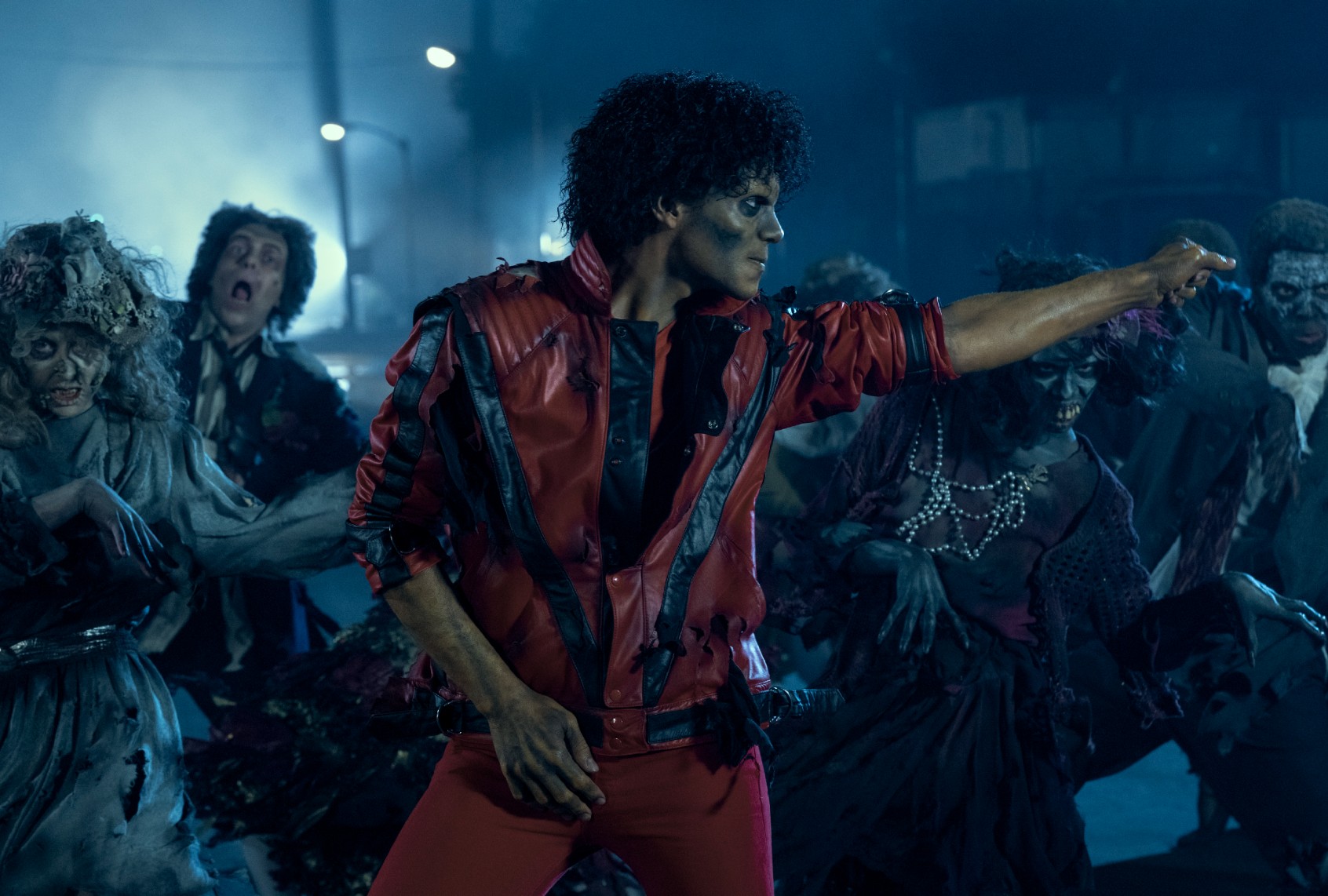
Recently, one of my best friends asked me if I’d seen “Michael,” Antoine Fuqua’s Michael Jackson biopic that Salon’s movie critic Coleman Spilde hailed as “so damn weird.” This person knows me better than nearly everyone else on the planet, so I quickly figured out that she didn’t really care whether I’d seen “Michael” or, if I had, what I thought about it. What she was looking for, without explicitly saying so, was a kind of permission I’m in no position to offer, nor would I want to be. I had not seen “Michael,” I told her, nor did I plan to, and I certainly wouldn’t think differently of her if she chose to do so.
But, I added, regardless of what it did for her, it doesn’t change the weight of multiple claims of child sexual abuse that have been made against the star since his death in 2009.
Art can have immutable significance to us regardless of what its creators are alleged to have done; thus, the supposed absolution offered by the notion of separating the art from the artist. What changes are our parameters of understanding.
There is simply no arguing with Jackson’s enduring sway over audiences. The King of Pop holds a singular place in popular culture and our collective memory. To date, “Michael” has taken in nearly $590 million in global box office sales, including $250 million domestically. And now there are new claims from people who previously defended Jackson who recently told The New York Times that he sexually abused them when they were children.
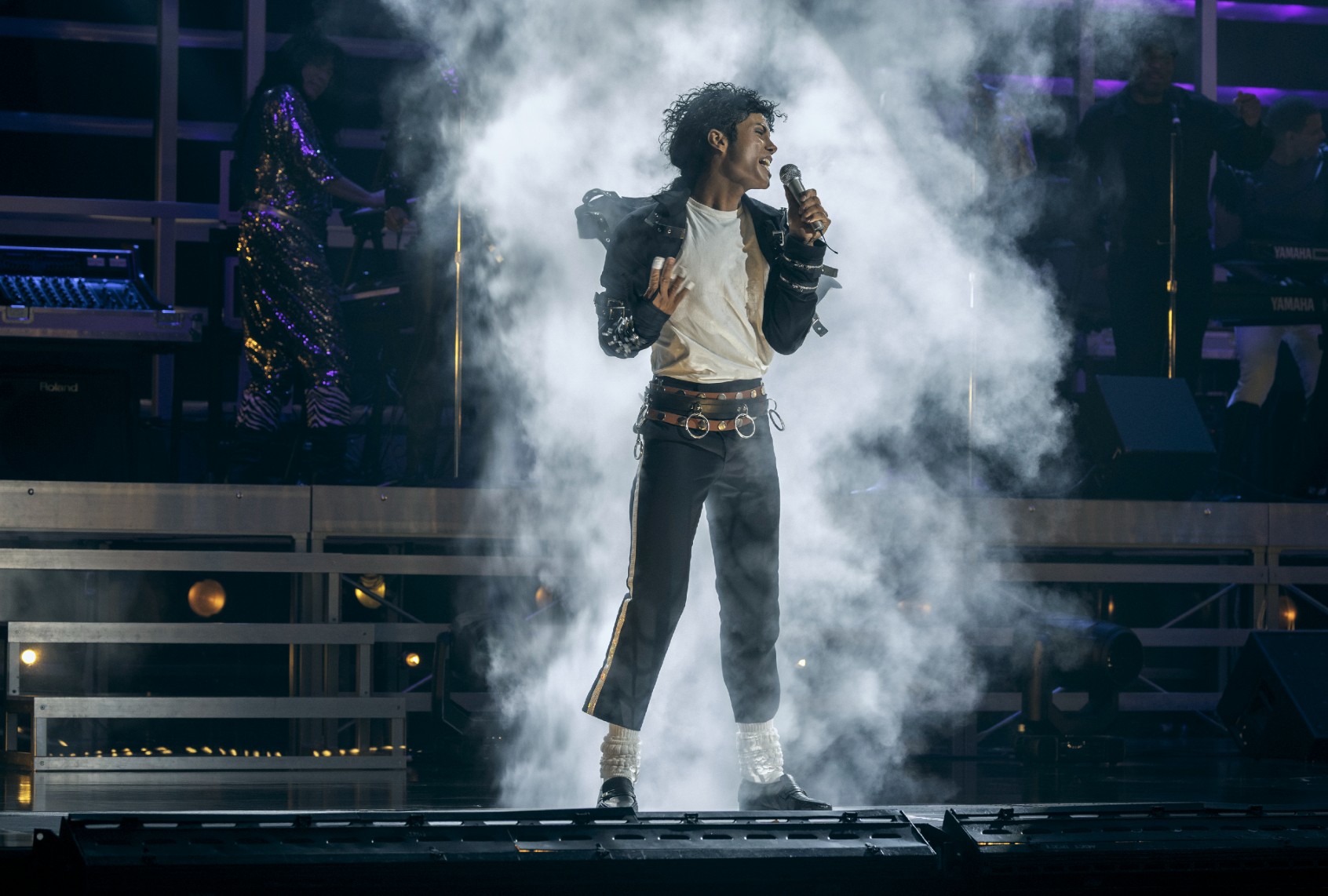
(Kevin Mazur/Lionsgate) Jaafar Jackson as Michael Jackson in “Michael”
It’s possible to hold on to two truths at once and recognize the distinct unease of such grasping, I told my friend. At least some of us are willing to do that; I have no way of knowing what percentage of moviegoers who plunked down their cash to see “Michael” are doing anything similar. My guess is that they either aren’t thinking about those allegations, don’t believe them, or simply don’t care.
Art can have immutable significance to us regardless of what its creators are alleged to have done; thus, the supposed absolution offered by the notion of separating the art from the artist. What changes are our parameters of understanding: how much we know and when we find out about someone’s alleged crimes and misconduct, and how much we’re willing to reconcile our affection for that work or favorite star with this damning information.
And I hate to break it to you, but everybody does some version of this – especially when it comes to Michael Jackson, the Wizarding World of Harry Potter, and other entertainment giants.
“Michael”’s box office reign comes to us during a season that includes the highly anticipated TV reboot of the Harry Potter franchise, despite its author J.K. Rowling’s open transphobia and publicized commitment to funding anti-transgender legislation.
The first season of “Harry Potter and the Philosopher’s Stone” won’t debut until December, but HBO has already greenlit a second season, not on faith but based on demonstrated interest. In March, the series’ first official trailer became the most-watched in HBO and HBO Max history, garnering more than 277 million views across platforms within 48 hours. People like John Lithgow, who plays Dumbledore, insist that Rowling’s Wizarding World is open to all, regardless of the creator’s prejudices.
Other celebrities have in the past rushed to Rowling’s defense in a stand against the dreaded forces of cancel culture, which, and I cannot stress this enough, does not exist. Certain allegedly cancelled comedians have only risen to greater fame and fortune. Other comics like Dave Chappelle, who was firmly on board with Team Terf, as he put it in 2021, used his notoriety to punch down on trans people until Republicans made membership in that club uncool.
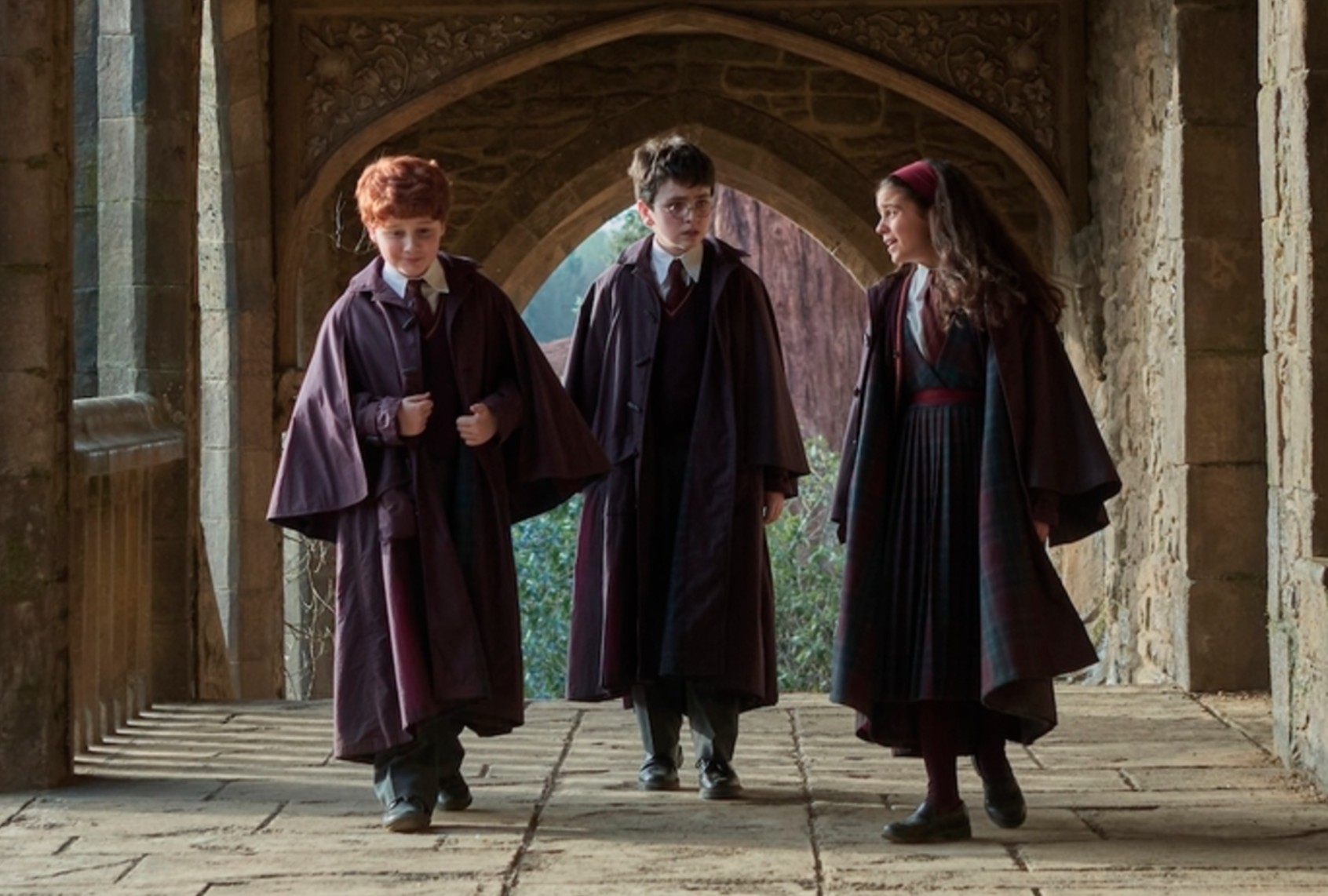
(Aidan Monaghan/HBO) Alastair Stout, Dominic McLaughlin and Arabella Stanton in “Harry Potter and the Philosopher’s Stone”
“I did resent that the Republican Party ran on transgender jokes, you know?” he told NPR Morning Edition host Michel Martin back in April. “I felt like they were doing a weaponized version of what I was doing. I didn’t – that’s not what I was doing.”
So, what was Dave doing? Besides making it acceptable to discriminate against a group that right-wing politicians are trying to legally erase, I mean? Surely he’ll explain in his next Netflix special.
My bargaining with the moral universe is that I still listen to “Off the Wall,” weakly reasoning that it came out before Jackson launched his Peter Pan act. Also, and strictly from a musical appreciation perspective, it still slaps.
“Michael” ends before the script dives from his starry heights into the messy timeline covered in 2019’s “Leaving Neverland,” the four-hour documentary in which James Safechuck and Wade Robson describe in horrifying detail what they allege that Jackson did to them. Shortly after it debuted on HBO, I remember that my friend and I engaged in what’s best described as aggressive bargaining about it, as did millions of others. Except, perhaps, Jackson’s most enthusiastic fans who refuse to believe Safechuck and Robson.
New claims by Jackson’s supposed “second family,” the Cascios, emerged around the same time that “Michael” debuted. After defending Jackson many times previously, including on Oprah Winfrey’s talk show in 2010, all five of the family’s adult children say they were groomed to protect him. Four out of five are claiming in a lawsuit that he sexually assaulted them.
“Michael” went on to shatter box-office records for biopics, raking in almost $220 million worldwide during its first opening weekend.
When my friend was young, Jackson’s music was a guiding light piercing through a grim, abusive home life. Potter fans have told me similar stories of imagining a place where the traits they were told made them aberrant in the Muggle world were prized and valued. Those people will now have to decide if contributing to Rowling’s fortune and continued presence in our lives is worth more than the dignity and safety of a vulnerable population.
I’m not clean in this area, either. My bargaining with the moral universe is that I still listen to “Off the Wall,” weakly reasoning that it came out before Jackson launched his Peter Pan act. Also, and strictly from a musical appreciation perspective, it still slaps.
I’m still a huge David Bowie fan too, and yes, I know he slept with underage fans in the ’70s. Any of Rick James’ deepest cuts are magnets that draw me to any dance floor, although it’s never far from my thoughts that he served prison time for charges that included sexual assault, false imprisonment and kidnapping. James, at least, paid for his crimes. That may not have gotten him invited to many cookouts after the fact, but his music still is.
This is the power of generationally resonant art and branding. As many critics have explained about Jackson, few performers have been present in the lives of most Americans from their earliest days on Earth. That makes them harder, if not impossible, to abandon. The Jackson 5 had their own Saturday morning cartoon and branded products; the title track of “Thriller” will always pop up on or around Halloween.
Look at the news; look at the world around you. Look at who’s in the White House: an ex-game show host and one of the most influential performers of our time. Multiple polls show that a solid majority of Republicans still support him despite his instigating an illegal war that’s driving up the cost of living, his conviction on multiple counts of fraud, and a civil jury finding him liable for sexually abusing and defaming writer E. Jean Carroll. He isn’t putting up Hogwarts trailer numbers, but those polls are good indicators of a general nonchalance concerning the harm that famous people do.
Want more from culture than just the latest trend? The Swell highlights art made to last.
Sign up here
Granted, I wouldn’t say that nobody cares about what Jackson did or Rowling is committed to doing, whether that harm befalls a few people or impacts entire populations. But not many so much as pause to think about that, I’m guessing. This has been true for a very long time and remains true at a time of compounding terrors, crimes and disappointments. Michael Jackson has been dead since 2009. Long live Michael Jackson’s music.
Similarly, I guarantee that if you live in a large American city, at some point this summer, the strains of R. Kelly’s greatest hits will waft past you on a breeze, right beside the scent of grilled burgers and hot dogs. That might happen in Chicago, or in Los Angeles, where Kanye West recently tried to domestically launch his comeback tour with two performances at SoFi Stadium.
Keep in mind, it’s been less than four years since the rapper’s fellow Hitler fans hung a sign over the 405 freeway in L.A. that read, “Kanye Is Right About the Jews,” while throwing up Nazi salutes, emboldened by the artist’s many antisemitic statements, including a tweet urging “death con 3 On JEWISH PEOPLE.” Heck, he was still selling swastika T-shirts on his website in Feb. 2025.
But in January, Kanye apologized for all that in The Wall Street Journal, and apparently, that’s enough for some people, including the sold-out crowd who came to see him. Those same people likely contributed to his latest album, “Bully,” debuting at No. 2 on the Billboard 200 in April behind BTS’s “Arirang.”
So, no, I told my friend, I wouldn’t judge her for wanting to see “Michael” despite knowing what he’s alleged to have done. But I can choose to recognize that some performers, artistic works and brands are simply too big to fail or bury, so they become some version of a beached grey whale’s corpse.
Underneath the rot is an architecturally impressive skeleton, so people are free to focus on that. Maybe some choose to marvel at this one-in-a-lifetime behemoth stuck in our midst and ignore the stink. Maybe one person’s stink is another’s perfume; maybe we’ve gone nose-blind to all fetidness.
However you look at it, if the people responsible for greenlighting “Michael” were at all concerned about the audience rejecting the movie on principle, any kind of principle, it would not have been made. But Hollywood’s decisionmakers have never lost money betting against the power of nostalgia or the hunch that when it comes to our favorite entertainment, America’s moral compass has no true North – only, at best, an agreement to bargain with how much evil we’re willing to tolerate in exchange for a little comfort or a good time.
Read more
about this topic