
How Bob Dylan and The Beatles pushed each other to evolve
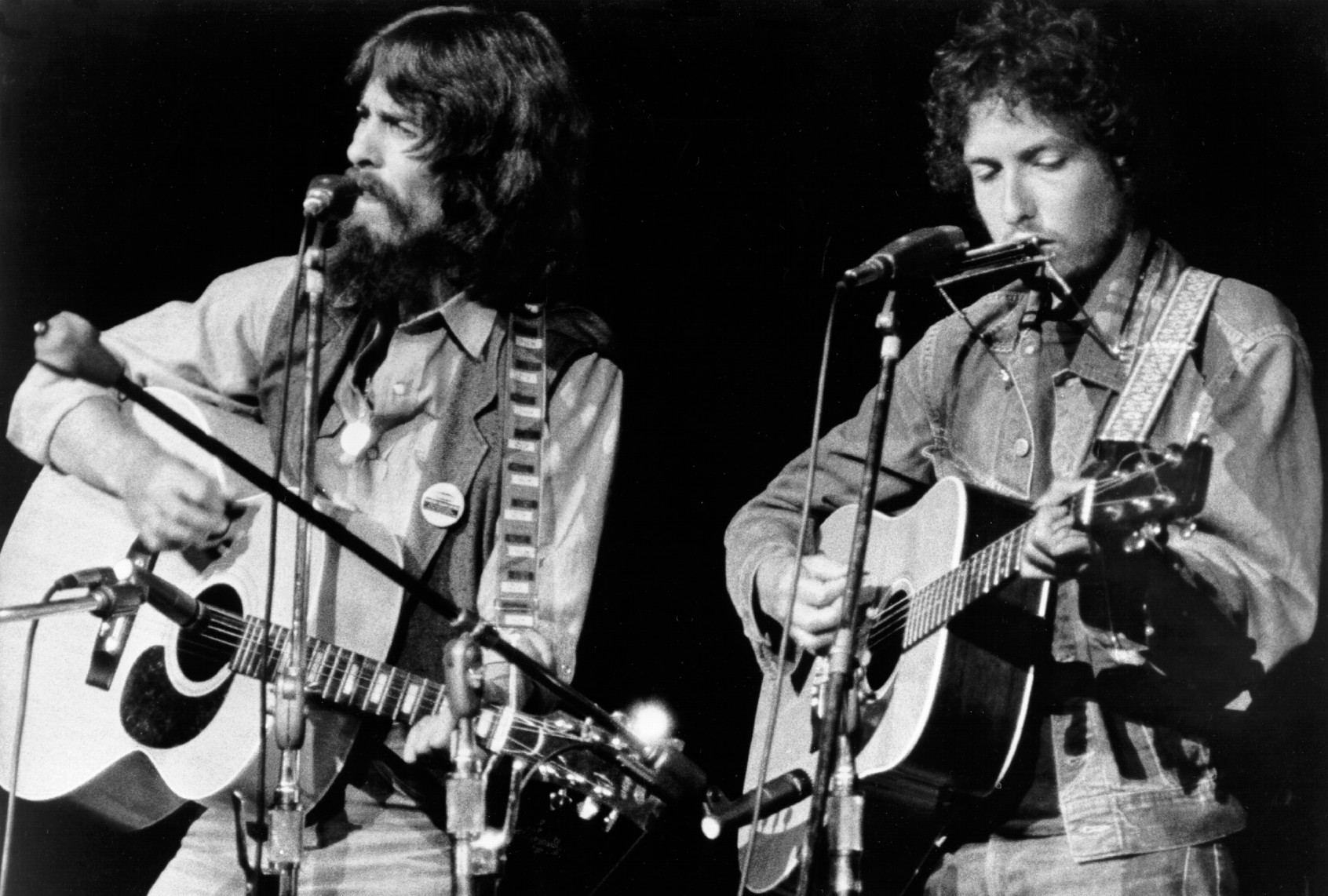
Today’s musicians would do well by their careers in reading Jim Windolf’s exquisite new book, “Where the Music Had to Go: How Bob Dylan and the Beatles Changed Each Other—and the World.” In the book’s finest moments, Windolf reminds us what it means both to be an artist and to embrace change. In their day, Dylan and The Beatles challenged each other not only to eschew taking their own inherent greatness for granted, but to accept the risks that being a true artist demands. And that risk — more often than not — is embedded in change.
Windolf’s narration of Dylan and The Beatles’ evolving relationship — an association that began even before they famously met in person in a New York City hotel room in August 1964 — is worth the price of admission in and of itself. By the time that they met in the Delmonico Hotel on that fateful evening, Dylan exerted a powerful influence upon The Beatles’ songwriterly aesthetic. John Lennon, in particular, idolized Dylan, whose performance style resonates across such early Beatles tracks as “I’m a Loser” and “You’ve Got to Hide Your Love Away.”
By 1965, the idol worship had grown tiresome for Dylan, who notoriously clapped back at The Beatles’ “Norwegian Wood (This Bird Has Flown)” with “Blonde on Blonde”’s “4th Time Around.” “I never asked for your crutch,” Dylan sings, “Now don’t ask for mine.” But as Windolf makes abundantly clear, the Dylan-Beatles dichotomy may have begun with Dylan holding the upper hand, yet as the 1960s wore on, Dylan couldn’t resist the ubiquitous charm and musicality of The Beatles’ work. By the time that “Dylan goes electric” at the 1965 Newport Folk Festival — it was a Fender Strat, for those keeping score at home — the folk musician not only recognized the necessity for change, but the need to embrace it as an express means for radicalizing his own art.
Want more from culture than just the latest trend? The Swell highlights art made to last.
Sign up here
When it comes to Dylan and The Beatles’ musical relationship, the results speak for themselves. In short order, Dylan would traverse wide-ranging musical vistas in such LPs as “John Wesley Harding” (1967), “Nashville Skyline” (1969), and “Blood on the Tracks” (1973). Meanwhile, The Beatles would record one landmark LP after another in “Revolver” (1966), “Sgt. Pepper’s Lonely Hearts Club Band” (1967), “The White Album” (1968), and “Abbey Road” (1969).
With “Where the Music Had to Go,” Windolf carefully traces the contours of a revolution that transformed popular music into art. With nuance and eagle-eyed research, he affords readers an unprecedented look at the mechanics of a musical fusion that, in many ways, we’re only just beginning to understand.
Read more
about this topic