
Trump says U.S. is “looking strongly” at alleged Russian plague case
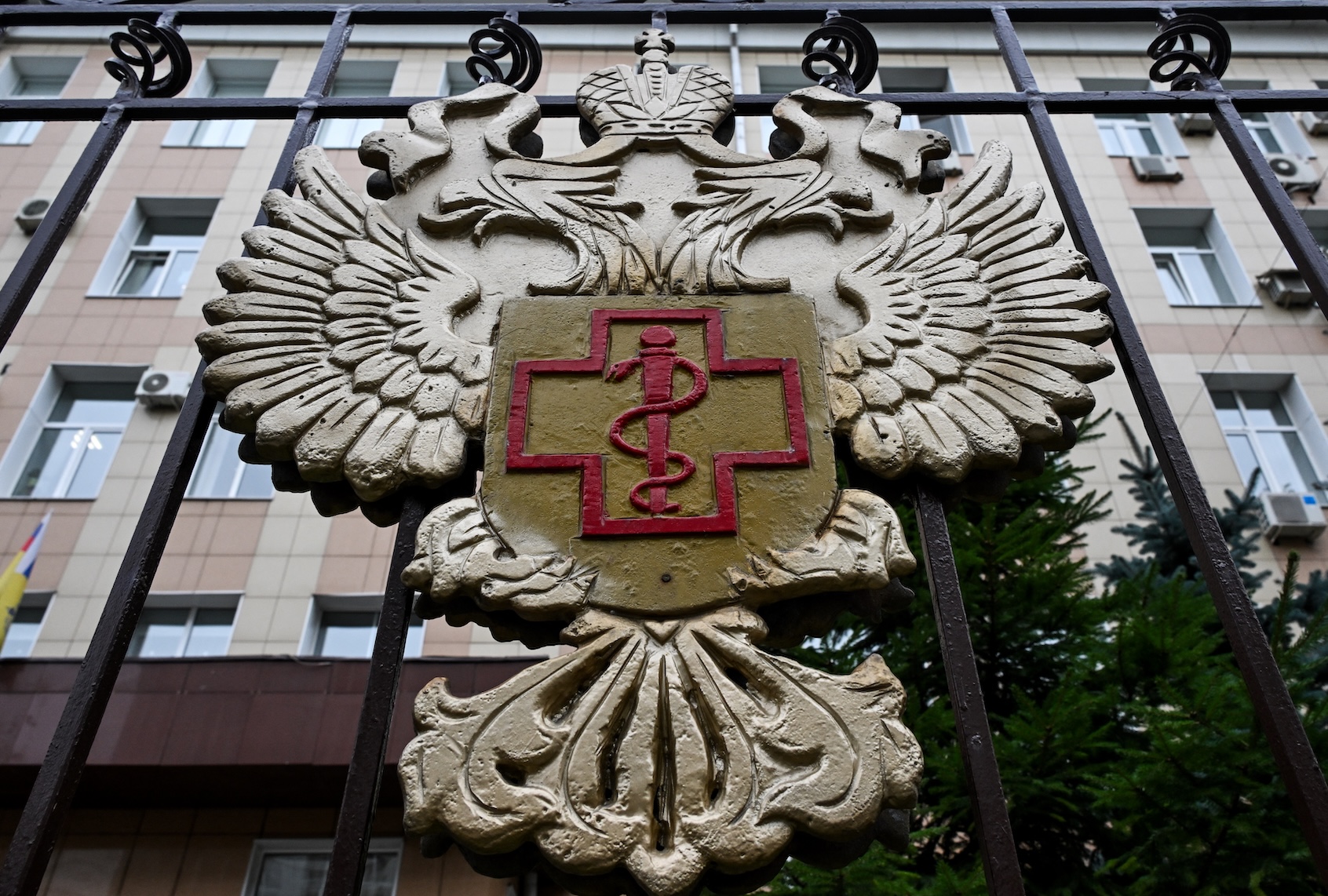
American health officials are on high alert following reports of a death in Russia that may be linked to pneumonic plague. The cause of death for the individual has yet to be officially confirmed by lab testing, but Daria Shipilova, a 28-year-old lab technician, worked at the Irkutsk Anti-Plague Research Institute of Siberia and the Far East, an institute that, as the name implies, is dedicated to studying plague. The illness is highly fatal, with average fatality rates approaching 100%.
Pneumonic plague is also highly contagious and can spread from person to person via air droplets. That gives the disease a high potential for an epidemic spread or even a global pandemic, but health officials have cautioned we have a long way to go to get to that point. The plague is treatable with antibiotics, but must be caught early enough. Due to the potential severity here, approximately 200 people have also been placed under medical observation in Irkutsk, a region in eastern Siberia, and some hospitals have been placed under quarantine.
U.S. officials are paying close attention. The State Department, Centers for Disease Control and Prevention, the Administration for Strategic Preparedness and Response, and other agencies are all trying to learn more. Axios reported this info as a “scoop,” but it’s relatively routine to surveil any pathogen that could cause severe damage to national security. However, Russia does not seem to be fully cooperating, with reports that Russian officials’ are being hesitant to share info while Russian intelligence officers are reportedly getting involved.
Start your day with essential news from Salon.
Sign up for our free morning newsletter, Crash Course.
“We don’t have a lot of intel,” one U.S. health official told the Washington Post. “It’s in Siberia. Unless someone gets on a plane and gets to the U.S., it is low risk. We should be alert but not panicked.” Based on the available information, the World Health Organization said “the public health risk to the general population appears to be low.”
Even President Donald Trump weighed in, telling reporters Monday that “We’re looking at it very strongly. He said he hasn’t yet talked with Russian President Vladimir Putin about it, but offered U.S. help with the issue. “It’s a rough disease. You know, that’s a disease we used to be able to control, but somehow those microbes have gotten stronger and smarter,” Trump said. “Anybody that has that kind of a problem we’ll always [be] willing to help. We’ll help you.”
Read more
about public health