
‘Decolonise Ghana’s curriculum, whose knowledge are we teaching or molding our children for’ — Former NaCCA DG tells govt
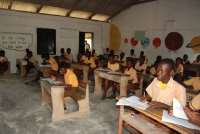
Former Director-General of the National Council for Curriculum and Assessment (NaCCA), Prof. Edward Appiah, has urged Ghana to undertake a major review of its education system by decolonising the curriculum to better reflect local realities while preparing students for global competition.
He argued that the country’s current educational structure still carries strong influences from the colonial era, when education was designed mainly to produce clerks, catechists, and administrators to serve colonial economies rather than promote innovation, creativity, and critical thinking among Africans.
According to Prof. Appiah, although Ghana attained political independence decades ago, the foundations and approach of its education system have largely remained unchanged, resulting in what he described as an ineffective curriculum model.
Speaking at a graduation ceremony organised by Abofra World School in Kumasi, he said curriculum reforms must focus on reconnecting learning with Ghana’s social and cultural environment, integrating different areas of knowledge, and creating stronger links between schools and the communities they serve.
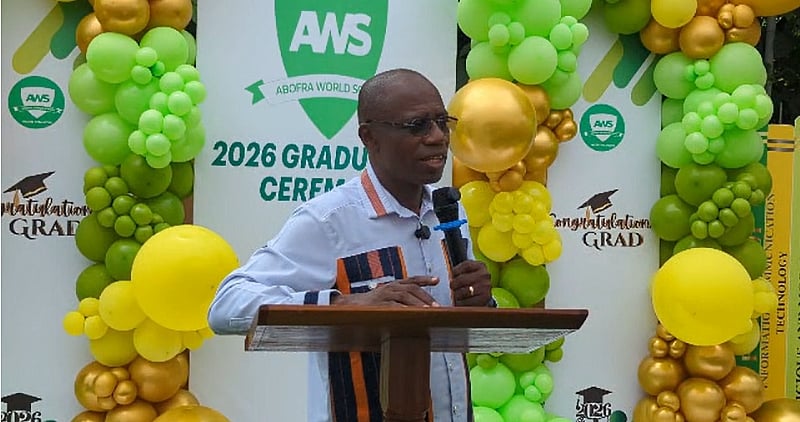
“Let me be emphatic in decolonising the African curriculum, and I want to begin with a question, but I don’t want the answer. A question that I want every teacher or parent to take a closer look at, reflect and review, and probably you can give your answer later. Whose knowledge are we teaching or moulding our children for?” he said.
Prof. Appiah cautioned that an education system designed primarily around external models could contribute to increased brain drain, as students may be trained to seek opportunities elsewhere without developing a strong connection to their own communities.
He stressed the need for an education system that equips young people with global skills while also nurturing appreciation for their heritage, communities, and national development needs.
He added that a reimagined curriculum should empower learners to become problem-solvers, innovators, and responsible citizens capable of contributing meaningfully to Ghana’s progress.