
Court rebuffs Trump EO on mail voting rules
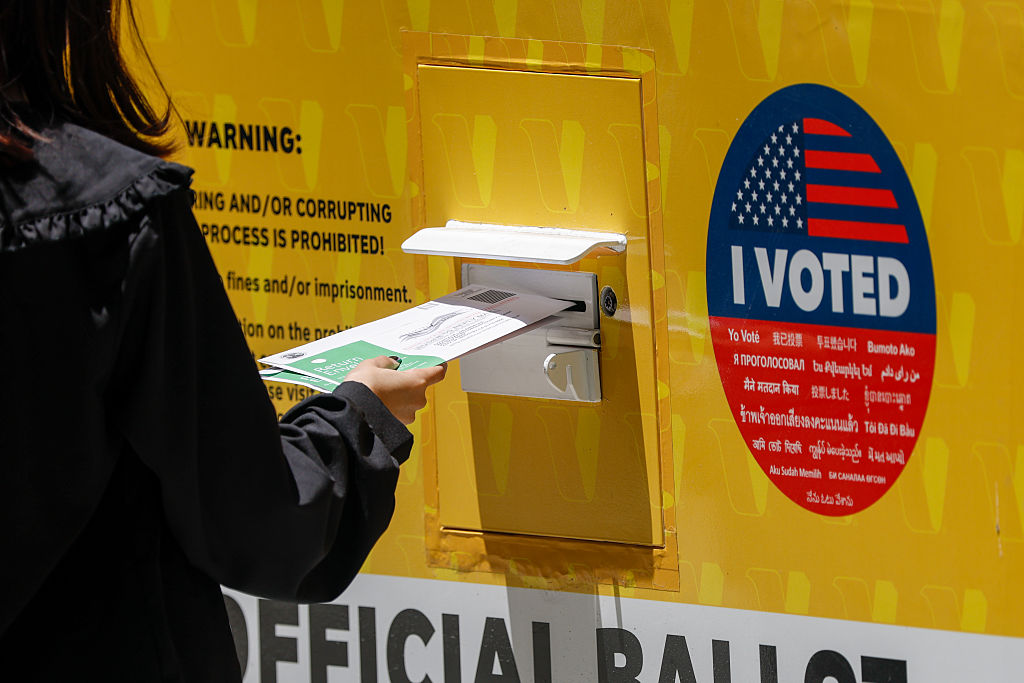
A federal appeals court has refused to let the Trump administration enforce key portions of President Donald Trump‘s executive order tightening mail-in voting rules, handing the White House another legal setback as states challenge the president’s authority to reshape election procedures ahead of November’s midterm elections.
In a 2-1 decision issued Saturday, the 1st U.S. Circuit Court of Appeals denied the Justice Department’s request to pause a lower court injunction blocking major parts of the March executive order while the administration appeals the case. The lawsuit was brought by 23 Democratic-led states, which argue Trump exceeded his constitutional authority by attempting to impose nationwide election rules through executive action.
The executive order seeks to require federal agencies to verify voter eligibility before mail ballots are delivered, directs the Justice Department to pursue jurisdictions that officials believe violate federal election law and conditions certain federal election funding on states complying with the administration’s directives.
The Trump administration argued the lawsuit was premature because federal agencies had not yet finalized many of the policies outlined in the order. But the appeals court found the states had shown they were already facing immediate consequences from the directive, including deadlines requiring them to alter election procedures and coordinate with federal agencies before the November elections.
The ruling leaves in place U.S. District Judge Denise Casper’s preliminary injunction while the broader legal challenge moves forward. The appeals court did not rule on the ultimate merits of the case but concluded the administration had not shown it was likely to succeed in overturning the injunction at this stage.
Start your day with essential news from Salon.
Sign up for our free morning newsletter, Crash Course.
The lawsuit centers less on the legality of mail voting itself than on who has the authority to regulate federal elections. The states argue the Constitution gives them primary responsibility for administering elections as they deem fit unless Congress says otherwise, while the administration maintains the president has authority to direct federal agencies in enforcing election laws.
The Justice Department could ask the U.S. Supreme Court to intervene while the appeal continues.
Read more
about this topic