
The United States’ invasive species crisis, in pictures

Like many of my fellow animal-lovers, it pains me to think of killing an insect. There are videos of me as an infant staring in awe at creepy-crawlies as they scuttle past me; as an adult, I’ve retained that habit.
Yet like millions of other Americans, I make an exception for the spotted lanternfly. That is because I live in Pennsylvania, where the Asian insect is widely perceived as a threat to existing ecosystems — and, consequently, of local economic interests. In other places, people are warned of venomous spiders or so-called “murder hornets.” The only common theme is that, in the United States, we have a tendency to live alongside species that were brought here rather than initially coming from here.
Indeed, globalization and mass migration of people — and goods — has accidentally sent all kinds of different critters and plants to parts of the world where they shouldn’t be. This has resulted in the spread of “invasive species,” meaning an animal or plant that is both not native to an ecosystem where it currently lives, also either causes or is likely to cause significant harm to local wildlife or to the nearby humans.
Harm, in the latter case, can be physical, economic or both.
Invasive species are introduced by any number of means. Most of them are accidental, such as when ballast water spreads aquatic species from one continent to another, or when insects burrow into wood that is transported from region to region. Others are deliberate, such as irresponsible exotic pet owners abandoning their former companions or even acts of misguided idealism (including one, seen below, inspired by William Shakespeare).
Sometimes humanity and wildlife luck out and the introduction of these species proves relatively harmless. On other occasions, however, we’re not so lucky. These invasive species may look cute (in some cases), but they are scourges on American ecosystems — which is why conservationists are trying to eradicate them, sometimes with help from citizens.
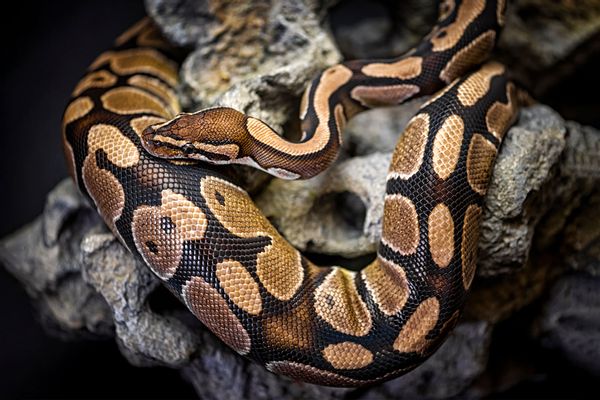 Burmese Python (Getty Images/Hillary Kladke)
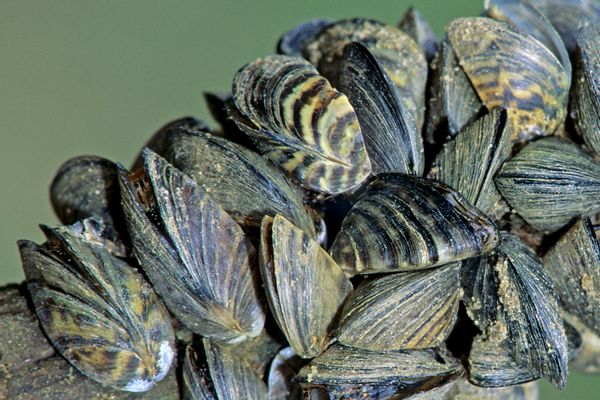 Zebra Mussel (Getty Images/Ed Reschke)
Want more health and science stories in your inbox? Subscribe to Salon’s weekly newsletter The Vulgar Scientist.
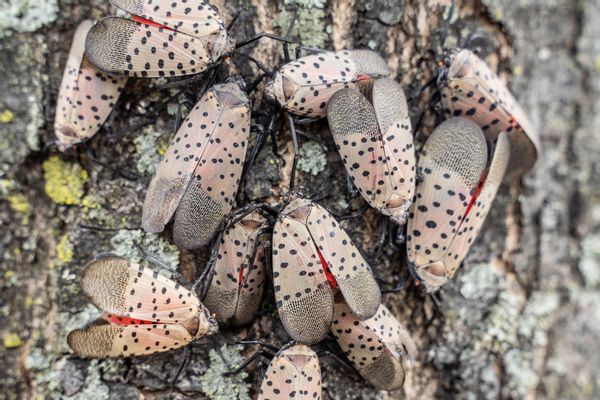 Spotted Lanternflies (Getty Images/arlutz73)
Even casual homeowners and pedestrians aren’t safe. The spotted lanternfly is wont to spit out what one entomologist described to Salon as a “sticky honeydew.” Black sooty mold will grow on this, which is both dangerous if accidentally ingested and quite slippery if you’re unfortunate enough to walk on it.
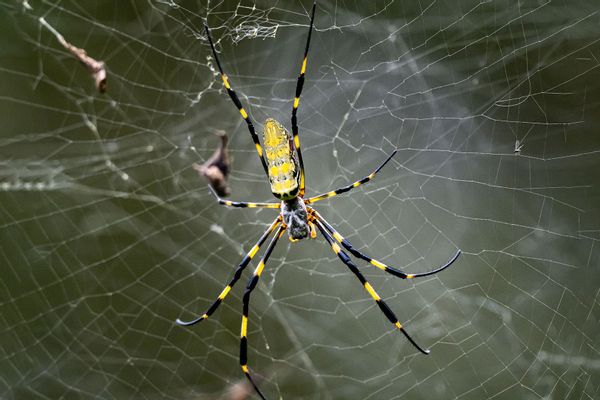 Joro Spider (Getty Images/David Hansche)
We are often told not to judge others by their appearance, and yet humans often don’t follow those words of wisdom.
Yet this is simply not true. The spiders rarely attack humans and, if they do, their fangs are too short to penetrate our skin. They do not seem to be harming local ecosystems in any major way. Their biggest “threat” is that they create large webs which are easy to accidentally walk into.
Expert opinion? If you see a Jorō spider, leave it alone.
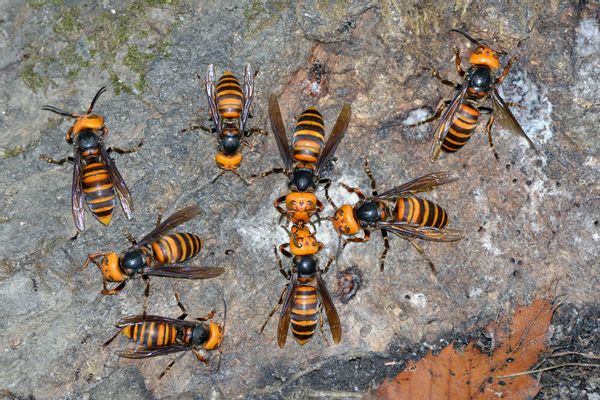 Asian giant hornets (Getty Images/kororokerokero)
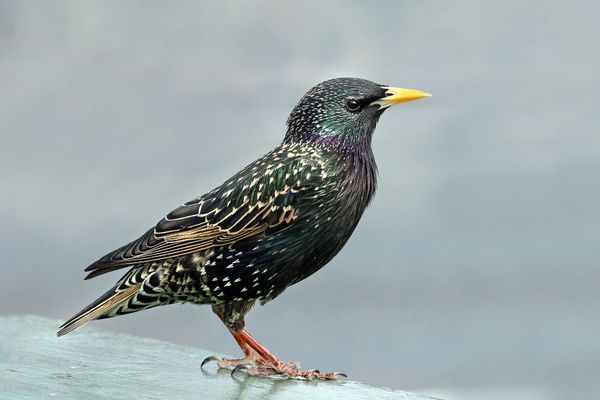 European Starling (Getty Images/Susan Walker)
In William Shakespeare’s play “Henry IV, Part 1,” Hotspur famously proclaims that he will give a European Starling as a gift because it “shall be taught to speak.”
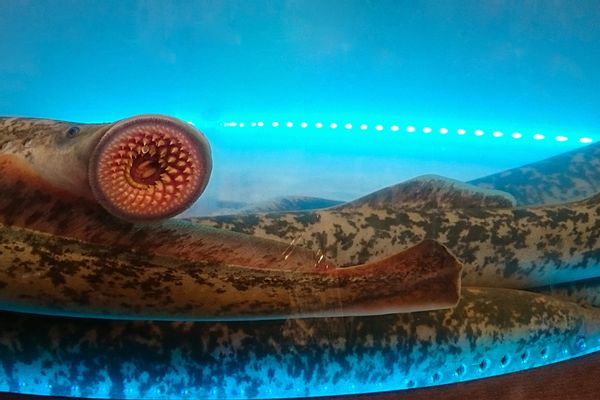 Sea Lamprey (Getty Images/Jramosmi)
Read more
about the environment