
80% of Ghana’s land is customary-owned, only 20% public — Lands Commission
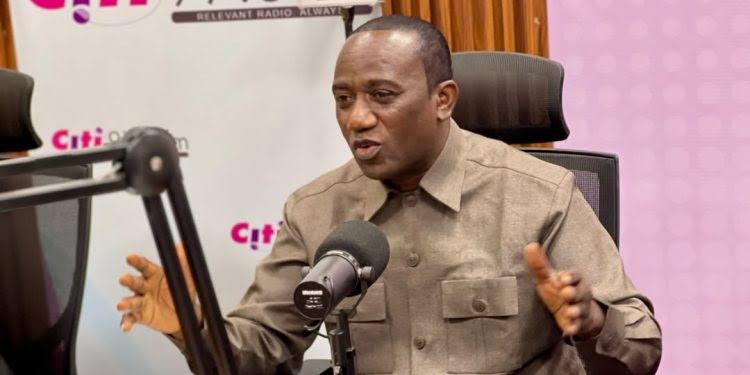
The Deputy Executive Secretary of the Lands Commission in charge of Operations, Surveyor Raphael Hokey, has disclosed that customary land accounts for about 80% of Ghana’s total land area, with public lands making up the remaining 20%.
Speaking on the Citi Breakfast Show on Wednesday, October 14, 2026, Mr Hokey said the country’s complex land ownership arrangements posed major challenges to effective land administration and orderly development.
“It’s been roughly estimated that about 80% of the land is customary land. Only 20% are public lands,” he said, explaining that public lands comprised both state and vested lands.
He clarified that vested lands remained linked to their customary owners, who retained beneficial ownership, while the state held the legal interest.
According to him, this arrangement created difficulties for institutions tasked with managing land because they often lacked complete ownership and control over the land they administered.
“You are trying to manage what you don’t own and control properly,” he said.
Mr Hokey identified family disputes over land ownership, disagreements within traditional leadership and the sale of the same parcel of land to multiple buyers as some of the persistent problems affecting the sector.
He explained that conflicts over who had the authority to represent a family or community in land transactions often resulted in legal disputes and complicated the acquisition process.
The Lands Commission official also expressed concern about how customary lands were developed, noting that some landowners sold plots without providing access roads, essential services or clearly defined boundaries.
He said the practice created difficulties for buyers and raised questions about whether responsibility for providing basic infrastructure should lie with landowning families or the state.
On the enforcement of land administration regulations, Mr Hokey stressed the need for effective coordination among the relevant public institutions.
He said local assemblies could work with the police to address unauthorised developments and, where necessary, seek court orders to resolve complex cases.