Strengthen early warning systems to tackle rising security threats – National Security to MMDCEs

The Deputy National Security Coordinator, in charge of Operations, Major General (Rtd.) William Ayamdo has urged Metropolitan, Municipal and District Chief Executives (MMDCEs) to strengthen coordination and information sharing with security and intelligence agencies to address emerging security threats.
He said many security challenges first emerge at the regional and local levels, making MMDCEs and Regional Security Councils (REGSECs) critical to Ghana’s national security architecture.
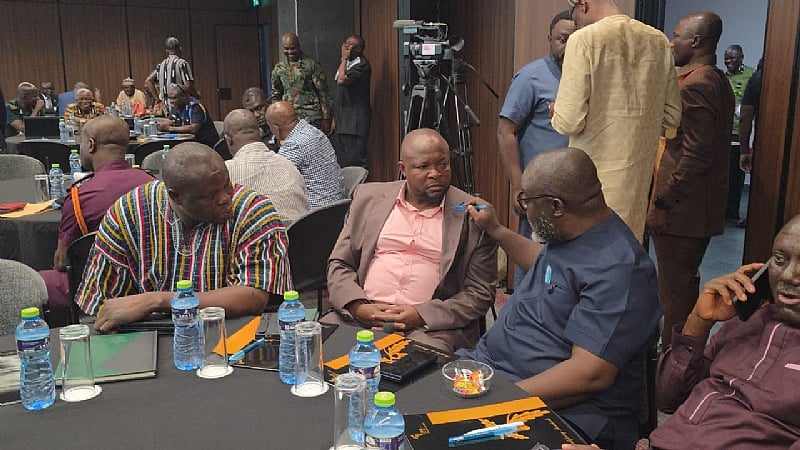
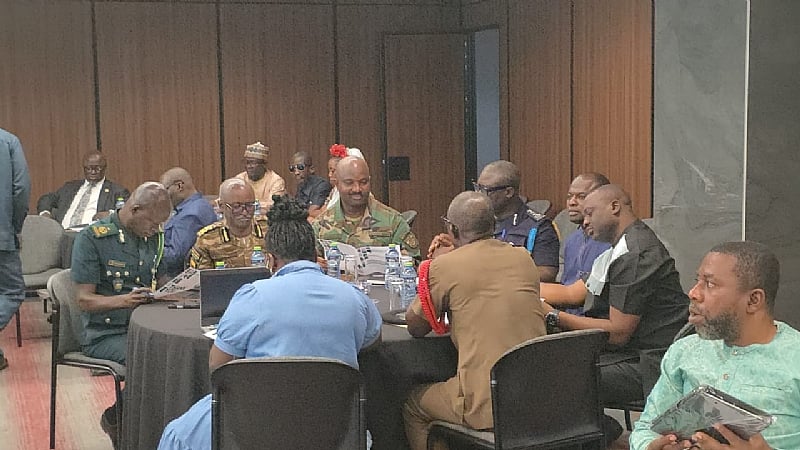
Major General Ayamdo was speaking at a High-Level Training Programme on Ghana’s Security and Intelligence Agencies Act, 2026 (Act 1168), for MMDCEs in Kumasi in the Ashanti Region.
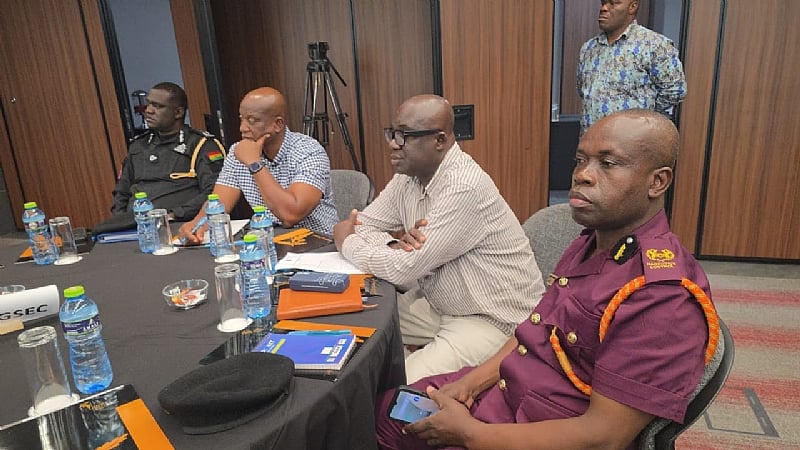
He said MMDCEs were often the first to know when tensions were developing, disputes were emerging or there were signs of potential security problems within their communities.
He urged them to identify such signs early, take appropriate action and report them through the established channels to prevent local challenges from developing into larger security threats.
“Your ability to identify these signs early, respond to them and report them through the appropriate channels can help prevent local problems from becoming a larger security challenge,” he said.
Major General Ayamdo stressed the importance of bringing together information from different institutions to build a clearer picture of emerging security threats.
He explained that the police, intelligence services, Armed Forces and local authorities often possess different pieces of information which, when combined, could help security agencies respond more effectively.
“The intelligence services may have information that is relevant to the police or the Armed Forces. Municipal Chief Executives and District Chief Executives may have information from communities that is important to all these institutions. We must therefore bring these different pieces of information together,” he said.
According to him, effective information sharing would help security institutions understand threats better, respond more quickly and avoid duplication and confusion.
REGSECs must strengthen early warning
The Deputy National Security Coordinator said REGSECs must not only respond after security incidents have occurred but must also serve as early-warning and preventive mechanisms.
He said the security environment facing Ghana was evolving, with traditional challenges such as violent crime, land and chieftaincy disputes, communal tensions, smuggling and organised crime existing alongside emerging threats.
These, he said, include terrorism and violent extremism, cybercrime, misinformation and disinformation, transnational crime and threats to critical infrastructure.
He urged stakeholders to remain alert to the changing security environment and strengthen their capacity to identify and respond to emerging threats.
MMDCEs urged to work with security agencies
Major General Ayamdo said MMDCEs have an important role to play in maintaining peace and security within their municipalities and districts.
He urged them to work closely with relevant security and intelligence agencies and ensure that information gathered from communities is shared appropriately.
He said local authorities should not view themselves merely as representatives of separate institutions but as part of a broader national security system with a common responsibility to protect the people and the country.
“When we come together, we must not see ourselves only as representatives of the separate institutions. We are part of one national security system with a common responsibility to protect our people and our country.”
He said effective collaboration requires trust, professionalism, confidentiality and cooperation among all stakeholders.
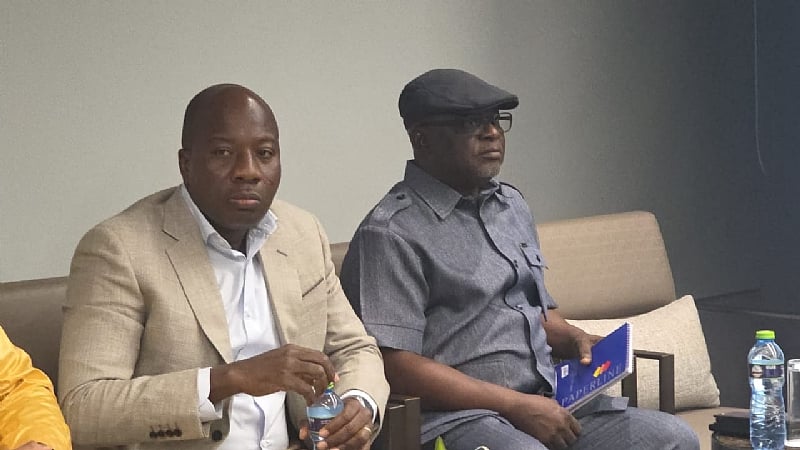
Major General Ayamdo encouraged participants to use the training programme to share their experiences, raise challenges and identify practical solutions that could be applied in their respective municipalities and districts.
He said Ghana’s peace and stability could not be taken for granted and required strong institutions, responsible leadership and effective cooperation between security and governance structures.
“Our goal must be to build a security system that is proactive rather than reactive, coordinated rather than fragmented, and preventive rather than crisis-driven,” he said.
Major General Ayamdo urged participants to use the training to strengthen their knowledge, improve coordination and enhance their collective capacity to protect peace and security in the Ashanti Region and Ghana as a whole.