Trump says no to Iran’s Hormuz deal
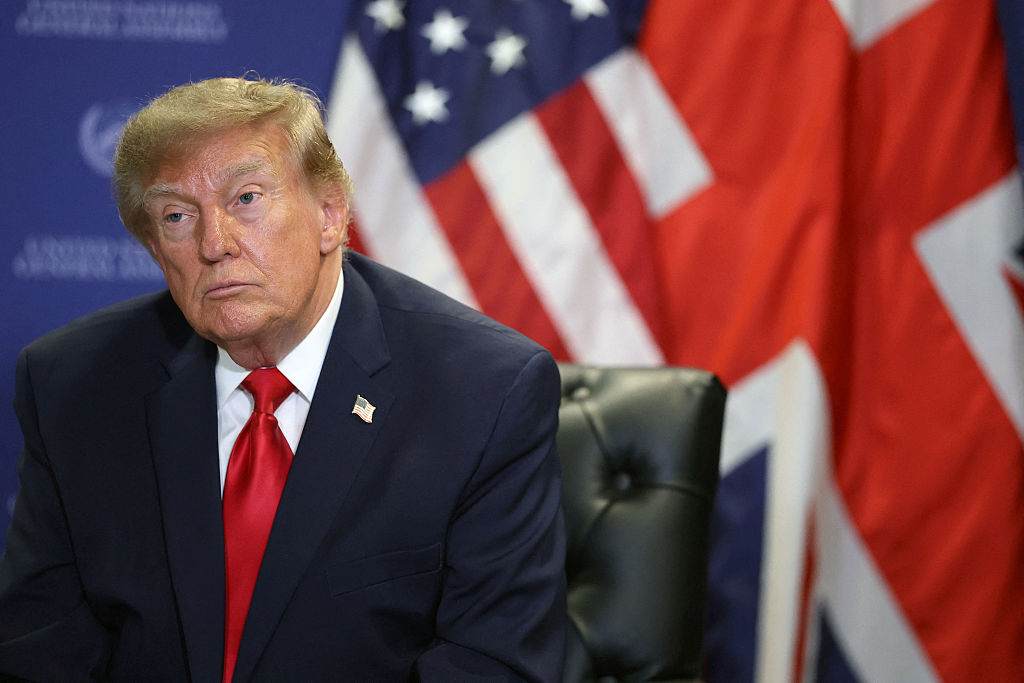
President Donald Trump said Saturday that he rejected Iran’s proposal to reopen the Strait of Hormuz, days after publicly calling on Tehran to reopen the critical shipping route and suggesting a deal could end the seven-month war.
“They made a proposal, but I rejected it,” Trump told reporters outside the White House on Saturday.
Iranian officials unveiled the proposal during a week of diplomacy surrounding the United Nations General Assembly in New York. The plan would reopen the Strait of Hormuz within seven days and pause fighting across the region while the two sides pursued broader negotiations.
In exchange, Tehran sought an end to the U.S. blockade of Iranian ports, sanctions relief and access to frozen Iranian assets, according to reports. Iranian Foreign Minister Abbas Araghchi said Friday that the proposal had been transmitted to U.S. officials through mediators.
The Wall Street Journal first reported that Trump had rejected the proposal, citing U.S. officials. The newspaper also reported that Trump has told aides he expects the United States to resume bombing Iran after the November midterm elections.
Trump’s rejection comes just days after he used his address before the U.N. General Assembly to demand that Iran reopen the strait while threatening the country with “annihilation” if it failed to reach an agreement with the United States.
“I have a big decision to make,” Trump told world leaders Tuesday, presenting Iran with a choice between a deal that would allow the country to rebuild or further U.S. military action.
Trump also predicted that an agreement with Tehran could come after the midterms, while insisting that the November elections were not influencing his decisions on the war.
Iranian President Masoud Pezeshkian responded from the same U.N. stage Wednesday, saying Tehran remained open to diplomacy but would not negotiate under threat. U.S. and Iranian officials also communicated through Qatari and Pakistani mediators during the gathering, contacts Secretary of State Marco Rubio described as significant despite the limited progress.
The Strait of Hormuz remains one of the world’s most important energy corridors, and its closure during the war has disrupted global oil shipments and contributed to higher energy prices.
Start your day with essential news from Salon.
Sign up for our free morning newsletter, Crash Course.
Trump appeared to have another idea for the waterway Friday, sharing a map on Truth Social in which the Strait of Hormuz had been relabeled the “TRUMP STRAIT.”
Despite Trump’s rejection of Iran’s latest proposal, indirect diplomacy has not formally ended. An American official described this week’s mediated discussions as “positive and constructive,” while Iranian officials said Saturday they were awaiting an official U.S. response.
For now, however, the proposal that could have reopened the strait within a week appears to have met a considerably shorter response from the president: no.
Read more
about this topic