
Open Lagos Health Sector Spot-Check begins ahead of 2030 SDG deadline
… CSOs to assess 72 health facilities across 18 LGAs
By Chioma Obinna
A coalition of civil society organisations, in collaboration with key health sector stakeholders, has launched the Open Lagos Health Sector Spot-Check, an ambitious accountability initiative that will assess 72 public health facilities across 18 local government areas in Lagos State as part of efforts to strengthen healthcare delivery ahead of the 2030 Sustainable Development Goals (SDGs).
The week-long exercise, scheduled for August 3 to 7, 2026, will see trained assessors conduct rapid spot-checks in selected primary healthcare centres, secondary facilities and general hospitals to generate real-time evidence on service delivery, infrastructure, staffing, equipment and other critical indicators.
The initiative is being championed by the Lagos State Civil Society Participation for Development (LACSOP), the Lagos State Accountability Mechanism (LASAM), the Public Health Sustainable Advocacy Initiative (PHSAI) Centre for Communication and Social Impact (CCSI), and other civil society partners, working in collaboration with Engender Health, the Lagos State Primary Health Care Board, the Ministry of Health and the Ministry of Economic Planning and Budget.
Findings from the exercise will culminate in an Open Lagos Health Sector Dialogue, where government officials, traditional rulers, local government chairmen, development partners, private sector representatives, community leaders and civil society organisations will review a health sector scorecard and agree on actions to address identified gaps.
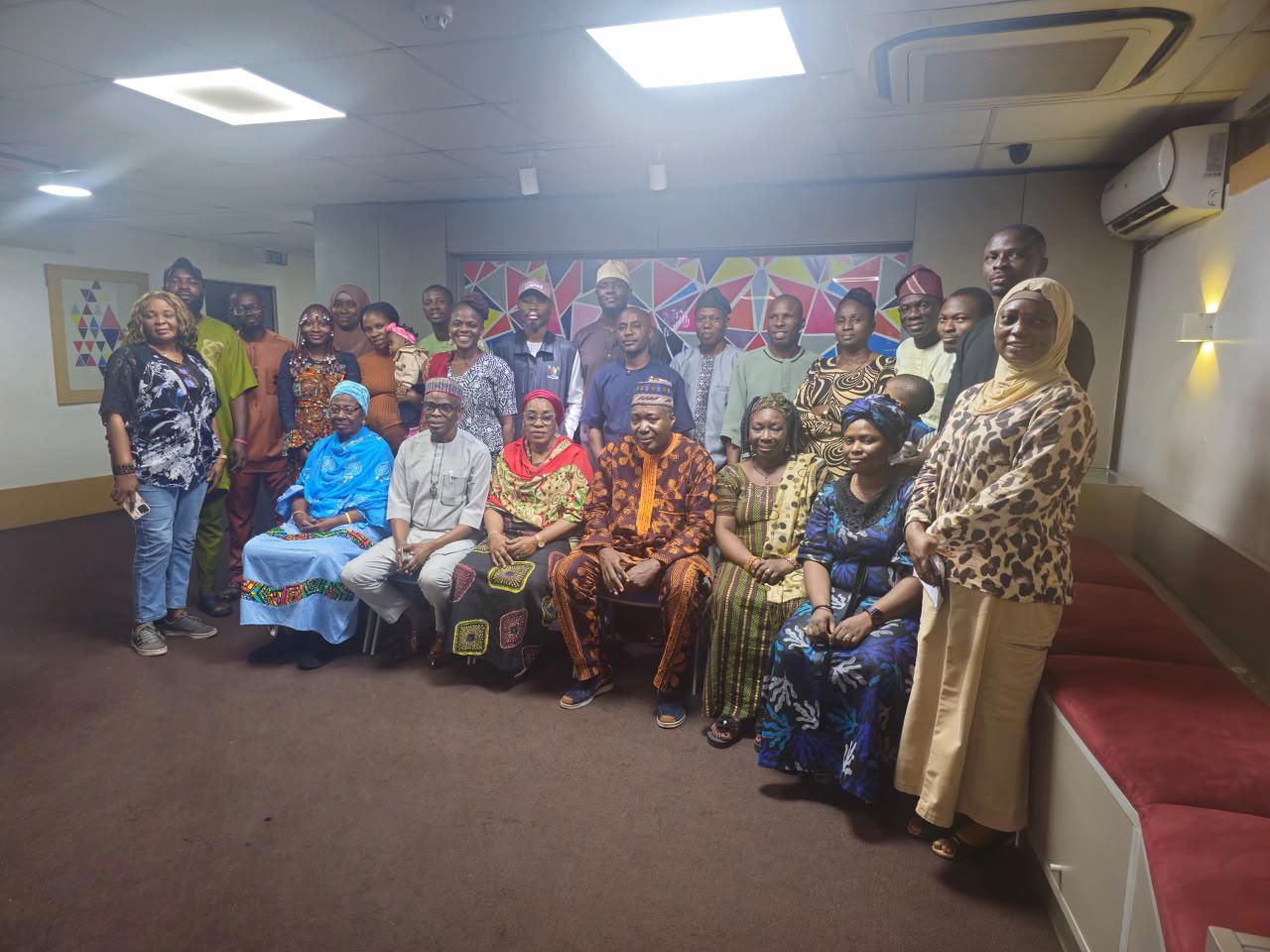
Speaking at the training of field assessors, Coordinator of LACSOP, Barrister Ayo Adebusoye described the initiative as a whole-of-sector approach designed to provide an evidence-based picture of the state of healthcare delivery in Lagos.
“We are all together as part of a coalition to push forward the Open Lagos Health Sector Spot-Check. The idea is to conduct quick assessments of selected facilities across 18 local governments and generate evidence on what is happening on the ground,” he said.
According to Adebusoye, the coalition deliberately selected a mix of densely populated urban councils and relatively hard-to-reach communities to ensure a balanced assessment of health facilities across the state.
“The whole idea is to bring all stakeholders together—government, traditional rulers, private sector, community leaders and civil society and present a health scorecard so we can validate where we are as a state,” he said.
With less than four years to the 2030 SDG deadline and a new political administration expected in 2027, Adebusoye said the exercise comes at a critical period for Lagos to review its progress and identify areas requiring urgent attention.
“This is an opportunity for us to reflect on where we are as a state. If we institutionalise this exercise as an annual event, we can continually assess progress and improve our health system.”
He disclosed that the coalition would also undertake a review of Lagos State’s health budget performance to determine how public spending aligns with health sector needs.
“This will support evidence-based budget planning. The findings from the spot-check will help inform future health sector investments and resource allocation.”
Adebusoye stressed that Lagos occupies a strategic position in Nigeria’s health sector, noting that reliable health data from the state is essential for national planning.
“Without Lagos State data, any health data you have in Nigeria will be defective. This exercise is about generating credible primary evidence on the current state of healthcare in Lagos.”
Speaking, Chairman of the Evidence Subcommittee of the Lagos State Accountability Mechanism (LASAM), Mr Basit Baruwa, said the exercise would provide a real-time assessment of healthcare facilities and strengthen accountability across the state’s health system.
“This is not a survey; it is a spot-check. It is a temporary but necessary exercise to gauge the performance of our health facilities and obtain evidence on what is happening at the point of service delivery,” he said.
Baruwa explained that the assessment would be complemented by a review of one year’s health facility performance data to ensure that findings reflect long-term realities rather than temporary improvements made in anticipation of inspections.
“We are collecting one year’s data because if what we observe on the day of the visit differs from what the records show, the data will reveal the true situation. That gives us credible evidence for action.”
He noted that the exercise would help identify operational gaps, improve monitoring and ultimately strengthen primary healthcare services.
“The closest health facility to every household is the primary healthcare centre. If PHCs function effectively, many cases that end up in secondary hospitals can be managed at the primary level.”
Baruwa added that the findings would also help determine whether existing challenges stem from weaknesses within health facilities or poor health-seeking behaviour in communities.
“We want to know exactly where the problems lie so that appropriate interventions, including community sensitisation and system improvements, can be introduced.”
Also speaking, the State Advocacy Coordinator of the Centre for Communication and Social Impact (CCSI), Mr Abiodun Ajayi, said the spot-check would uncover service delivery gaps that often go unnoticed through routine reporting systems.
“Many services are being provided in our health facilities, but there are hidden gaps that we do not always see. This exercise is designed to identify those challenges before they become bigger problems,” he said.
Ajayi emphasised that the exercise would not end with data collection.
“We are not carrying out this spot-check to put the report under the carpet. After analysing the findings, we will present the results during an Open Lagos Health Sector Dialogue where every participating local government will see its own scorecard.”
He said the dialogue would bring together state officials, local government representatives, Ward Health Committees, Community Development Committees, traditional rulers and civil society groups to jointly agree on practical solutions.
“We want healthcare accountability to become a shared responsibility. Government cannot do it alone. Communities, traditional institutions and other stakeholders all have important roles to play in improving healthcare services.”
Ajayi said the coalition hopes to institutionalise the Open Lagos Health Sector Spot-Check as an annual accountability mechanism for measuring progress, identifying service gaps and promoting transparency in Lagos’ health sector.
Stakeholders expressed optimism that the initiative would strengthen evidence-based decision-making, improve budget performance, enhance public confidence in the health system and accelerate Lagos State’s progress towards achieving universal health coverage and the health-related Sustainable Development Goals by 2030.