
As Iran war escalates, U.S. is fighting from a weakened position
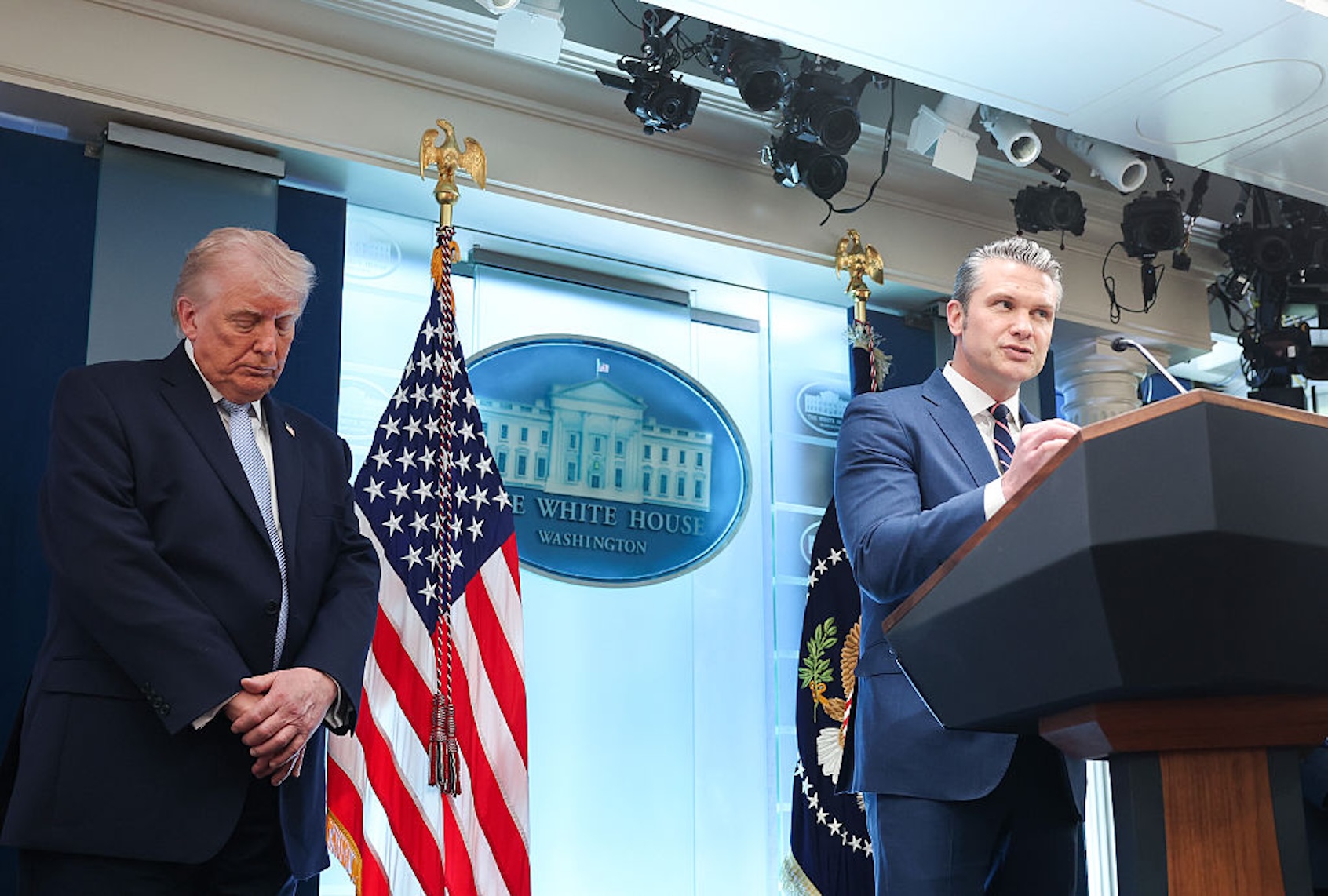
President Donald Trump is ramping up the war in Iran once again, but this escalation comes while the United States has comparatively fewer tools in its military arsenal — and to soften the war’s economic effects.
Since the total breakdown of the ceasefire between the U.S. and Iran in early July, the conflict has intensified, with the countries exchanging fire for 11 days straight, resulting in four American deaths. The total number of U.S. deaths since the war began in February now stands at 18, alongside nearly a hundred casualties, per reporting from the New York Times.
The escalation comes as the U.S. is in a weaker position than when it started, with historically low levels in the Strategic Petroleum Reserves, and with comparatively diminished military and diplomatic resources.
On Monday, the U.S. Department of Energy announced that the reserve fell to about 311 million barrels of oil over the previous week, the lowest level since March 1983. This happened as part of an ongoing tapping of the reserve that’s expected to conclude in mid-to-late August or early September. Pending a change in regulation, this will be the end of the line for releases from the reserve, which is required by statute to maintain a minimum inventory of about 250 million barrels of oil.
According to Max Pyziur, a director for transportation fuel and natural gas project at the Energy Policy Research Foundation, this drawdown is one of the major factors that has helped suppress the price of oil and gasoline in the United States since the start of the war.
Without the ability to rely on the reserve, Pyziur said he expects the government and oil companies to explore more alternatives to Middle Eastern oil, such as sources in Venezuela and Argentina, along with additional transportation options to get oil out of the region. While these alternatives are already being explored, new infrastructure will likely take years to come online, Pyziur said, which means Americans will have to deal with elevated prices.
“The tools are running out,” he said. “We only have so much time as far as strategic reserves. We could be in an extended period of time with a four-dollar handle on gasoline prices, five bucks for diesel. And if that continues, well, then that affects the economy, that affects expectations, and it might affect political outcomes if the Democrats are smart.”
Pyziur also noted that oil prices have been suppressed in part because China slashed its own imports of oil. A resumption to pre-war levels of imports could cause global oil prices to increase significantly, but there’s no guarantee that China would ramp up imports, he said. The country’s previous import levels were part of an effort to fill its own oil reserves, and even if it decides to resume them, there would be a limit to how much oil they could store.
But it’s not just American oil reserves that have diminished since the beginning of the war in February. The U.S. military’s own weapons stockpiles, including crucial drone and missile interceptors, were expended in the first period of the war. Remaining stockpiles of other munitions vary.
Anelle Sheline, a research fellow at the Quincy Institute for Responsible Statecraft’s Middle East Program, highlighted that there are some questions as to whether Trump is even fully aware of current levels of munitions stockpiles, due to a reluctance among Pentagon leaders to deliver bad news to the president.
“The situation is significantly worse this time. But I don’t know that we’re sort of grappling with that. The average American again may think, ‘Oh, just another round of this stupid war, here we go again,’ it could really be much worse this time,” Sheline said.
One potentially significant difference is the entry of the Houthis into the war, with the Iran-aligned group announcing a blockade of Saudi Arabia. While it remains to be seen how exactly the promised blockade could play out, the Houthis’ engagement represents a significant expansion of the war.
The most consequential difference between now and when the war began, however, may be the degradation of trust in diplomatic efforts between the U.S. and Iran. This makes escalation more likely, Sheline said, which could result in attacks on infrastructure like desalination plants, which serve as a necessary water supply for parts of Iran, as well as the Gulf countries.
“The Iranians may be less willing to engage diplomatically because they’ve been burned several times in the past,” she said. “The possibility of escalation, therefore, seems much more likely, the result then potentially being a truly devastating humanitarian impact, both for the Iranian population and for the Gulf population.”
Read more
about this topic