
Breathable air is a luxury. Paying out of pocket could be next
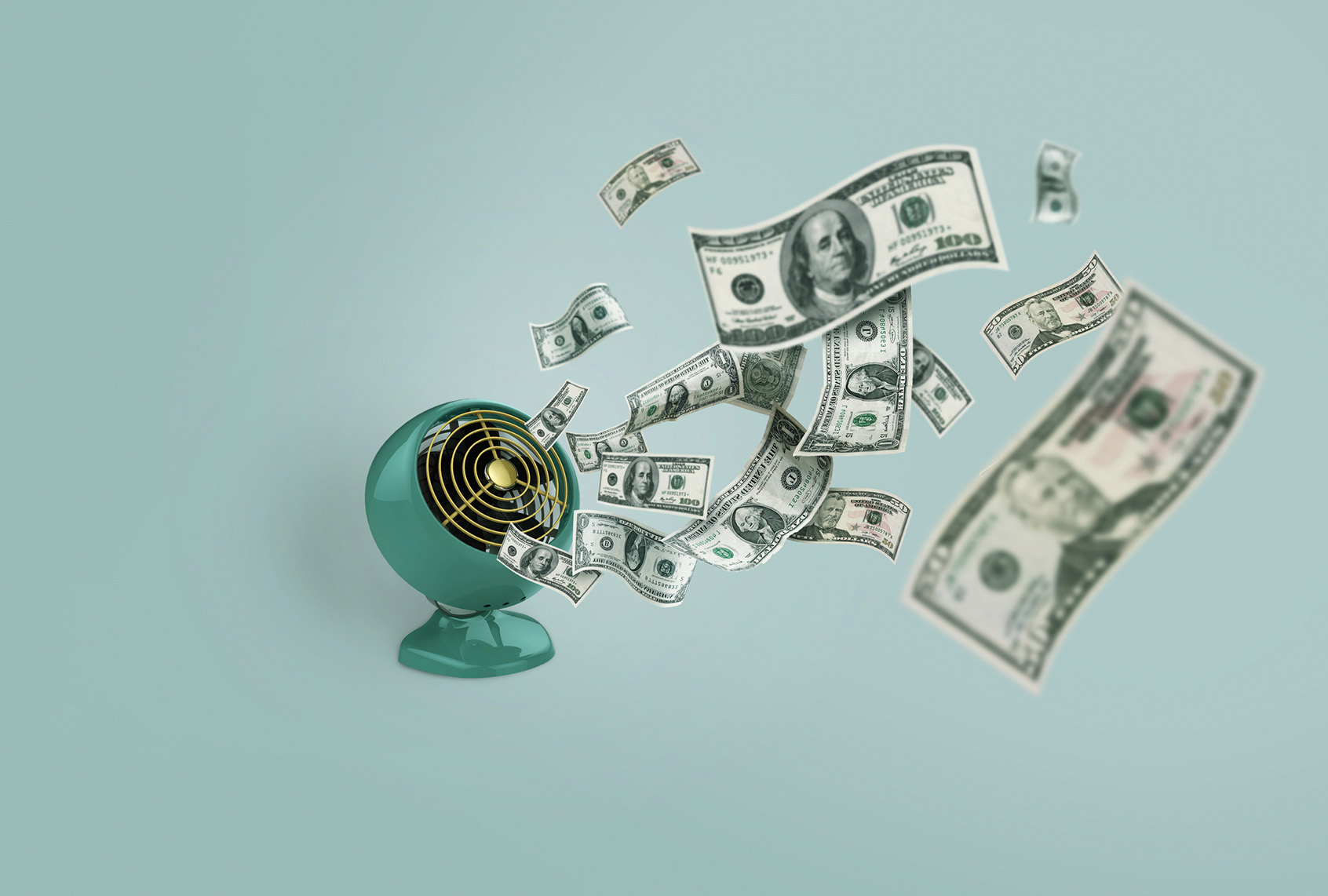
Imagine this conversation with your spouse or roommate: “Dude, what is that smell? It stinks like burning diapers. Did you forget to pay the air?” Sounds like something from a knockoff episode of “Black Mirror,” right? Canned air was actually used as a bit in “Spaceballs,” with the joke being how absurd it is to pay for something we breathe freely.
While I claim no clairvoyant skills, given the ever-diminishing quality of the air we breathe, purified air could definitely become a commodity someday. Air subscription probably wouldn’t work exactly like other utilities, such as internet service or natural gas, where it gets pumped directly into your house, but then again, who is to say? The future could be as weird as the present and when it comes to air quality, things are changing fast.
At the moment, a new front in the endless culture wars concerns whether air conditioning is ethical or even necessary. That comes in the wake of yet another record-breaking heat wave that has pummeled the Northern Hemisphere. Europeans aren’t big fans of AC, it turns out, but things have gotten so hot that many people are now making the switch. It’s become a selling point for far-right figures like French presidential candidate Marine Le Pen, who has promised to blanket Europe in cool air, while British conservatives want to deregulate building codes that restrict AC.
Most forms of air conditioning are highly energy-intensive and, depending on its power source, can belch even more carbon into the atmosphere, trapping more of the sun’s heat and causing more intense heat waves. That feedback loop is likely part of the reason why temperatures previously considered extreme or impossible are now becoming the norm all over the world — but the suffering might be too great to ignore the benefits of AC.
The June heat wave carried a death toll of more than 10,000 people across 27 countries, according to data from EuroMOMO, a mortality monitoring network with backing from the World Health Organization and the European Centre for Disease Prevention and Control. Over 9,000 of those deaths were people aged 65 and older. Such extreme heat usually kills people via heatstroke, or by inflaming heart and lung diseases. Whatever the specific causes of death, this was a mass casualty event, on par with the earthquakes that hit Venezuela a few weeks ago. Climate scientists universally agree that this summer’s heat waves would have been “virtually impossible” without climate change.
This summer’s Northern Hemisphere heat wave has been a mass casualty event, on a par with the recent earthquakes in Venezuela.
On this side of the ocean, the U.S. is sweltering under its own heat domes, which have been made worse by more than 100 wildfires in Canada and Minnesota that are smothering the East Coast in toxic, deadly smoke, turning the July skies an earwax yellow. Dramatic videos of members of the Namaygoosisagagun First Nation in Ontario fleeing their homes by boat have flooded the internet because the images are truly apocalyptic.
Views of just one of the wildfires ripping across Ontario, Canada yesterday. Similar fire behavior is expected today.
Fires in Minnesota and Canada have made air quality across the east coast of the United States “unsuitable for everyone.”
Hundreds of thousands of acres have… pic.twitter.com/Bxb92JXQTi
— The Hotshot Wake Up (@HotshotWake) July 15, 2026
At least 18 states have issued air quality alerts, as they should, because wildfire smoke wreaks havoc on the body, from the brain to the heart and lungs to the kidneys. The small particles in wildfire smoke are an escalating threat to global health, increasing risks of other diseases like COVID. As noted in a recent review in the journal Air Quality, Atmosphere & Health, these effects are not evenly distributed. Poor folks, immigrants, women, children, the elderly and ethnic and racial minorities are disproportionately exposed to these hazards.
Start your day with essential news from Salon.
Sign up for our free morning newsletter, Crash Course.
But we’re all kind of used to this by now, right? And that’s a big problem. We now deal with wildfire smoke every year, in a “season” that stretches longer and longer each year thanks to warmer and drier conditions. Air pollution, wildfire smoke, industrial disasters like the East Palestine, Ohio train wreck and extended pollen seasons are all reasons why people are increasingly concerned with making their indoor environments actually breathable. The result is that air itself is increasingly becoming a luxury item.
The World Health Organization estimates that around 7 million people die from air pollution annually, while 99% of the world’s population lives somewhere that is exposed to air pollution levels above WHO health guidelines. So we stock up on air purifiers, now an $18 billion industry, along with indoor air quality monitors and subscription air filter services. While AC seems ubiquitous to middle-class Americans, approximately 34 million people in the U.S. struggle to afford it, which doesn’t account for the high-tech HVAC systems the ultra-rich indulge in. The issue of quality air access is increasingly linked privilege and wealth. Startups with names like Air Factory and FreshAir are already starting to crop up aiming to fill this growing market demand.
So what will the future really look like? Will people start wearing N95 masks indoors, or have breathing apparatuses hooked up to their chests like fighter pilots? Will air become a municipal service, or a luxury commodity like canned kombucha? If you miss your monthly payment to Amazon Oxygen, will you choke to death? Given the way things are trending, none of that would be entirely surprising. Summer 2026 is already on track to be the hottest in recorded human history, topping 2024, which edged out 2023’s record. (We saw a slight dip in average temperatures in 2025; it didn’t last.) This might well be the hottest summer of your lifetime, and also might be the coolest summer of the rest of your life. Read that sentence again: If you think things are bad now, wait a year. Or five.
My imaginary scenario could still be decades in the future, but a reality where people pay for air doesn’t seem like a joke anymore. We could decide to treat this sci-fi possibility seriously right now by working to cut down air pollution at the source. That would mean, at the very least, sharply reducing the use of fossil fuels — indeed, ending it, sooner rather than later — and choosing to protect forests instead of chopping them down for toilet paper, which is a big factor in why so much of Canada is burning in the first place.
The good news here — and there is some, believe it or not — is that we’re still in the middle of a global green energy revolution, even if it’s being diminished or undercut by the out-of-control AI industry. As much as the Trump administration denies the reality of climate change while catering to the fossil fuel industry, the Iran war and its resulting spike in energy prices are accelerating the transition to renewable energy. We can’t be sure if that’s happening rapidly enough to make a difference, but it remains true that every decision we make now to lower emissions will help to create a more livable future. Of course it’s absurd to imagine breathable air as something you can put a price tag on. The same could be said about food, water and healthcare. We can at least keep air in the realm of absurdity by fighting for a greener future, which we can still see ahead, even through the smoke.
Read more
about science from Troy Farah