
Livable wages: ‘You want people to produce for what market when you’re paying them GH₵2,000?’ – Adutwum quizzes govt

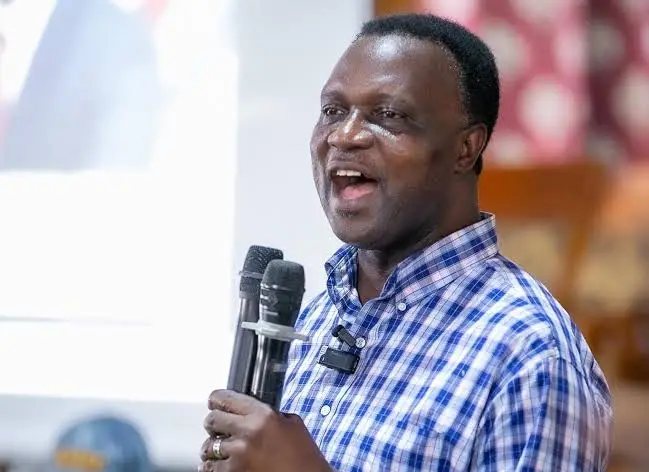
Former Education Minister Dr Yaw Osei Adutwum has cautioned that Ghana’s economy could remain trapped in prolonged stagnation unless the country addresses the issue of living wages and improves the purchasing power of its citizens.
Speaking on the Konnected Minds podcast, Dr Adutwum questioned the viability of an economic system in which many workers earn salaries that are insufficient to meet their basic needs.
“You want people to produce for what market when you are paying people 2,000 cedis, and you know it doesn’t suffice for transport, but that is what you are paying them?” he asked.
He warned that the failure to ensure workers receive decent wages would continue to undermine economic growth and national development.
“If we don’t confront the issue of lack of livable wages in this country, you’re going to be stuck in a hole for a long time to come,” he said.
According to the former minister, improving productivity while paying workers a living wage would stimulate economic activity, expand consumer demand and create additional employment opportunities through a multiplier effect, rather than discouraging investment.
“Some people will say, ‘Why do you do that? The other people even don’t have jobs.’ But productivity is what the multiplier effect is. It creates more jobs,” he stated.
Dr Adutwum also compared Ghana’s economic challenges with the approaches adopted by advanced economies, arguing that countries committed to development take bold decisions to protect their long term interests.
“If America was in the same situation that we are in, what would they do?” he asked.
He stressed that achieving meaningful national transformation requires political leaders to rise above partisan interests and work together in the country’s interest.
“It’s not about politics. At that point, it’s about the survival of our nation,” he said.
The former minister further argued that Ghana’s current rate of economic growth falls well below the level required to achieve sustainable transformation.
“If you want to transform your country, the research will tell you that your economy must grow between 10 to 12 per cent for 20 years consistently. We do 4 per cent, and you think your country is being transformed?” he said.
Dr Adutwum expressed concern over persistent graduate unemployment, saying the country’s development agenda cannot succeed while thousands of young people remain without jobs.
“How do you get on track to transformation when graduates are not getting jobs?” he asked.
He urged Ghanaians to demand greater accountability from political leaders by insisting on clear and measurable commitments to graduate employment before casting their votes.
“When elections are going on, how many of us are held to account? You sign a seven-point plan for graduate employment before I vote for you. If I’m a graduate, give me the plan, and when you come and you are not doing it, I’m going to make noise. I’ll kick you out,” he said.
Dr Adutwum concluded that Ghana’s economic difficulties require frank conversations and decisive policy actions, insisting that the country has yet to make significant progress toward genuine transformation.
“This country must transform its fortunes. We are not in a good place. Don’t allow people to kid you that we are resetting something and we are going to see transformation. The journey to the land of transformation is not yet midway,” he said.