
Half of Americans will celebrate the Fourth of July in extreme heat
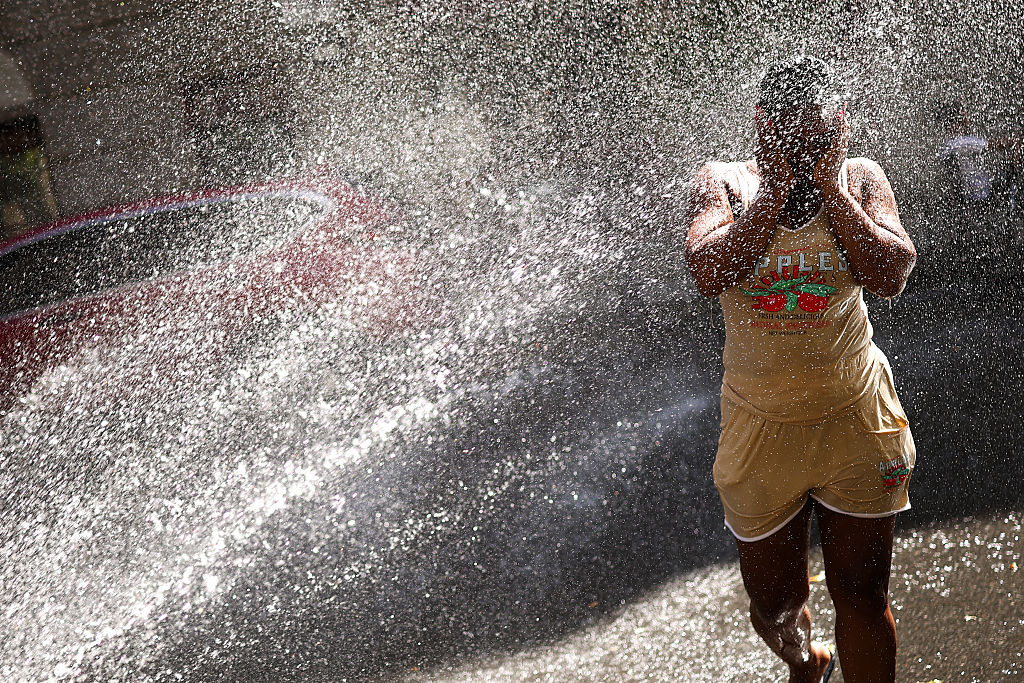
As millions of Americans prepare to celebrate the Fourth of July, much of the Midwest and East Coast remains under a sprawling heat dome that is driving dangerous temperatures, disrupting travel and raising health concerns heading into one of the busiest holiday weekends of the year.
The National Weather Service has issued heat advisories and extreme heat warnings across large portions of the country, affecting nearly half of Americans with forecasters warning that high temperatures combined with humidity could push “feels like” temperatures well above 100 degrees in many areas.
A heat dome occurs when a large area of high pressure traps hot air near the ground, allowing temperatures to build over several days. The same stagnant air that intensifies the heat can also worsen air quality by trapping pollutants close to the surface. And climate change is one of the biggest contributors to this extreme weather.
The effects are already being felt across the Northeast. Rail operators, including NJ Transit and Amtrak, have implemented heat-related speed restrictions as high temperatures affect tracks and overhead equipment, leading to delays during one of the year’s busiest travel periods. Officials have also urged residents to limit outdoor activity during the hottest parts of the day and take advantage of cooling centers where available.
Public health experts warn that prolonged heat can be especially dangerous because temperatures are expected to remain unusually warm overnight, offering little relief for people without air conditioning. Older adults, young children, outdoor workers and those with underlying health conditions face the greatest risk of heat-related illness.
Start your day with essential news from Salon.
Sign up for our free morning newsletter, Crash Course.
Air quality could also become a concern as Fourth of July celebrations get underway and the World Cup games continue. Extreme heat helps create ground-level ozone, while fireworks release fine particulate pollution into the air. Under a heat dome, those pollutants can linger longer, leading to elevated Air Quality Index, or AQI, readings that may pose additional risks for people with asthma and other respiratory conditions.
Forecasters expect the heat dome to gradually shift westward next week, but not before millions of Americans contend with dangerous temperatures during the holiday weekend. For many, the biggest challenge this Independence Day may not be finding the perfect spot to watch fireworks, but finding relief from the heat.
Read more
about weather and climate change