
Lagos Assembly backs tax unification bill, seeks robust public sensitization
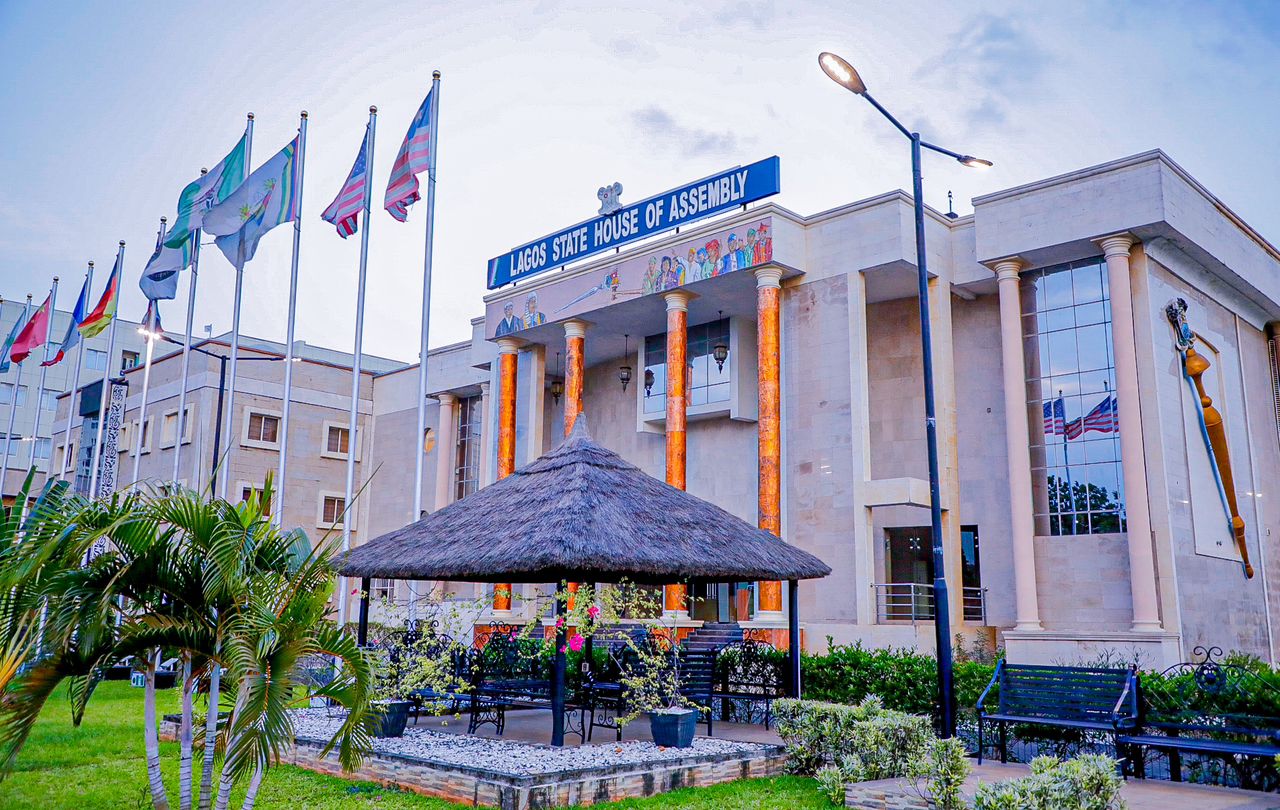
By Ebunoluwa Sessou
The Lagos State House of Assembly on Tuesday advanced deliberations on the Harmonised Taxes and Levies (Approved List for Collection) Bill 2025, with lawmakers unanimously endorsing the unification of taxes across the state and calling for extensive public sensitisation.
The bill, which passed second reading during plenary on Tuesday, aims to establish a legal framework for the collection of taxes and levies by the state government and its local government councils, as well as address related matters.
Speaking, the Speaker, Mudashiru Obasa, described the proposed legislation as a critical reform designed to promote fairness and efficiency in the state’s tax system.
“I believe this is beneficial for all of us. Those at the lower levels will either be taxed less or appropriately, making the system fairer. Overall, it is a positive development for the people, and we should all support it,” Obasa said.
According to him, lawmakers must actively engage constituents, including market associations and key stakeholders in commerce and industry, to ensure widespread awareness.
“It is an important reform that affects everyone, not just the government,” he added.
Obasa also urged citizens to embrace constructive engagement, noting that modern governance requires innovation, inclusiveness, and continuous improvement.
In his contribution, Gbolahan Yishawu representing Eti-Osa Constituency II highlighted the need for proper tax administration anchored on constitutional provisions. He emphasised that taxation must not be arbitrary but guided by fairness, transparency, and accountability.
“Taxes must meet certain qualifications; they cannot be imposed arbitrarily. Proper legal backing and clear standards are necessary for any tax system,” Yishawu said, adding that enforcement mechanisms must be strengthened to address lapses in tax collection.
He further noted that tax authorities must operate within established rules and ensure that violations attract appropriate sanctions.
Other lawmakers, including Bonu Solomon representing Badagry ), underscored the need for stronger engagement frameworks, while Adebola Shabi called for sustained advocacy to deepen public understanding of the proposed law.
Following deliberations, the Speaker referred the bill to the House Committee on Finance, directing it to conduct a public hearing and report back to the Assembly within two weeks.