
We’re living through the worst flu season in decades — and it hasn’t yet peaked
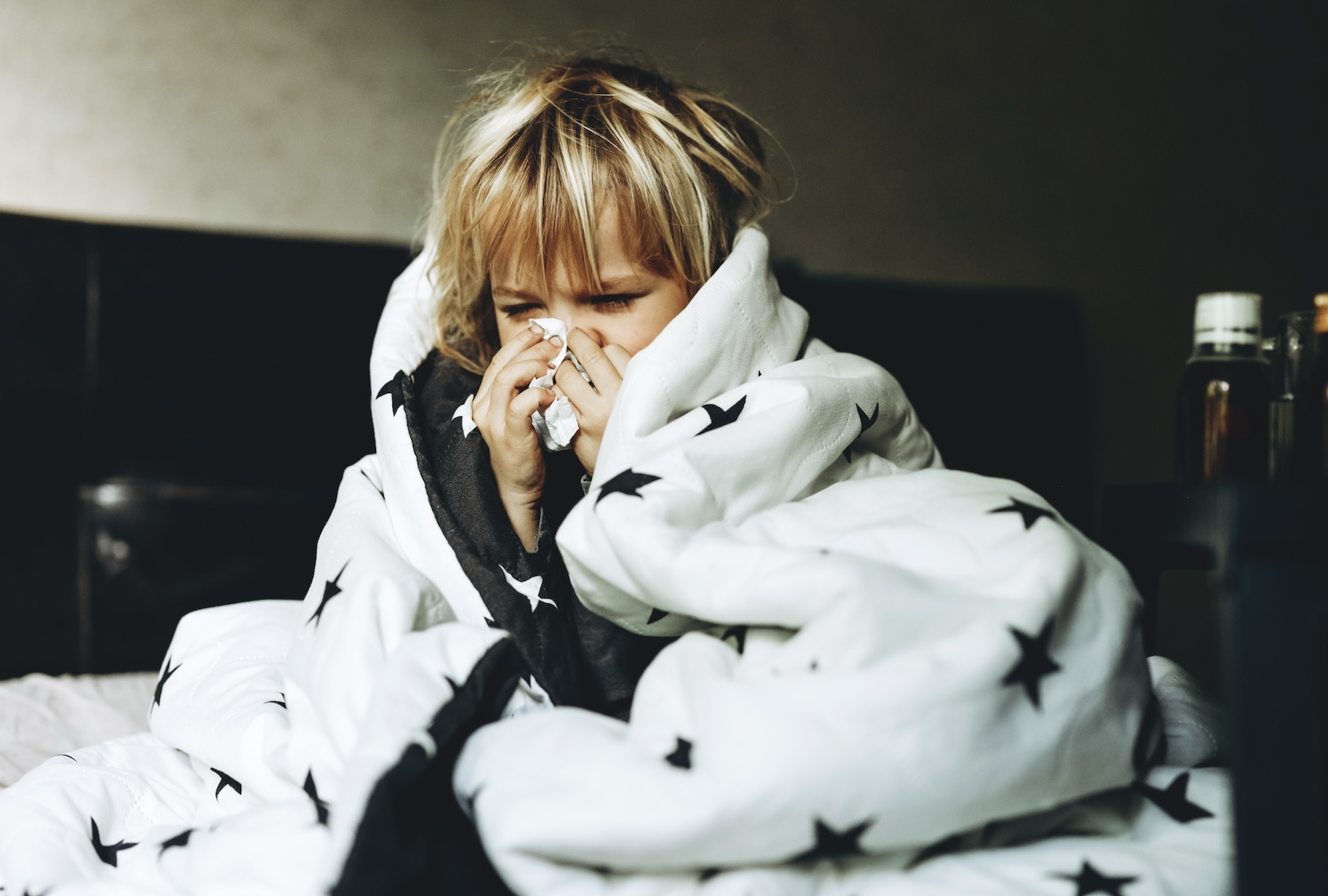
It started after a Christmas party. Natalie Rowe, a 42-year-old web designer living in the United Kingdom, noticed she felt a little bit like she was losing her voice. She assumed it was because she was talking a little louder to people at the party, but then came the throat soreness. A couple of days later, she started to feel body aches and a bit “shaky.” She went to bed and nearly didn’t leave it for three full days. She had a high fever, fatigue and brain fog. After she was able to start eating again, it still took a full two weeks to recover as she continued to feel extremely tired, suffer from brain fog, and experience bad headaches.
For many people across the Northern Hemisphere, like Rowe, this holiday season was interrupted by an unwanted visitor: influenza.
“It did feel like the worst, the most ill I’ve felt in a long, long time,” Rowe told Salon in a video interview. “Certainly the worst flu I’ve had as an adult.”
Nearly 11 million people have become sick from the flu so far this season, according to new data published by the Centers for Disease Control and Prevention, including 120,000 hospitalizations and 5,000 deaths. An estimated 90 percent of these have been tied to subclade K,” a variant of the H3N2 virus, a type of influenza A. The U.K., which was hit with the virus before the U.S., experienced a significant outbreak earlier in December, and more than half of Europe was also experiencing high flu activity during that time.
“Influenza cases are rising, and there is a lot of influenza activity and ensuing disruption occurring,” Dr. Amesh Adalja, a senior scholar at the Johns Hopkins Center for Health Security, told Salon. “This is primarily due to the evolution of a strain of influenza A that has drifted away from what is contained in the vaccine.”
As Salon previously reported, when the flu season cooled down in the Northern Hemisphere last summer, it intensified in the Southern Hemisphere. This gave H3N2 another chance to mutate, which is natural for viruses, and so it did. According to scientists, seven mutations occurred.
“This translates into little immunity in the population, making it easier for the virus to spread,” Adalja said. “However, despite the media attention, it is still in the range that one would expect with a moderate to severe flu season; there is not pressure on hospital beds, ICU beds or ventilators.”
He added that there have been no reports of antiviral shortages. Importantly, antivirals have been effective against this flu.
Shift versus drift
Flu viruses can change in two different ways. First, there’s antigenic drift, which happens in the genes of the virus over time as the virus reproduces. As the virus spreads throughout one’s body, mutations develop slowly — this means someone who has antibodies against a given strain may find that their immune system does not recognize the newer mutations from that strain, hence getting sick again from the same strain.
The second way in which a flu virus changes is called an antigenic shift. While an antigenic drift occurs gradually, a shift is sudden and involves two strains merging genetic material, spontaneously creating a new strain entirely. Antigenic shifts can lead to a pandemic, because people have little protection from the genes of the new virus. In the spring of 2009, a shift happened with an H1N1 strain, also known as swine flu. Notably, subclade K experienced a drift, not a shift.
Adalja told Salon that a shift would cause another influenza pandemic, not a drift. Notably, some states are seeing some pediatric deaths from this flu. According to the CDC, the 2024–25 influenza season had the highest number of pediatric deaths reported, 280, since 2004. Many states are reporting multiple child deaths from the flu. This flu season, four children have died in Massachusetts, and Illinois reported its first pediatric death so far.
One concern is that this year’s flu vaccine was recommended before the new strain emerged. Fortunately, early studies show that the vaccine still offers some protection, notably making illness less severe or deadly than it would be otherwise, but the gap between the shot and the virus could explain why so many people still have the flu.
Start your day with essential news from Salon.
Sign up for our free morning newsletter, Crash Course.
“The reality is that the dominant H3N2 subclade K strain wasn’t fully on the radar when this season’s vaccine formulation was finalized, so the match at a microscopic level is imperfect,” Dr. Rajendram Rajnarayanan, of the New York Institute of Technology campus in Jonesboro, Arkansas, told Salon. “That doesn’t mean the vaccine failed.”
It means that this year’s flu shot, Rajnarayanan said, “is not perfect enough to prevent every sniffle.” But it is “just right when it comes to keeping people out of the hospital and reducing severe disease,” he said.
Yet for many people, this year’s flu feels worse and different. Cherelle Palmer, a licensed mental health counselor based in Florida, said the flu she got in December “significantly impacted” her daily functioning. The first noticeable symptom was fatigue.
This year’s flu shot, Rajnarayanan said, “is not perfect enough to prevent every sniffle.” But it is “just right when it comes to keeping people out of the hospital and reducing severe disease.”
“I felt an overwhelming need to nap, which is unusual for me, as I typically do not take naps,” she said, describing herself as feeling “blah.”
“I didn’t necessarily feel sick, but I felt extremely low energy and unwell overall,” Palmer added.
From there, she was essentially unable to do anything for a week, only able to manage light activity for about 10 to 15 minutes at a time before needing to rest. Palmer ultimately sought care at both the urgent care and the emergency room because she was worried about dehydration. She told Salon she was not helped, as she wanted an IV, but walked away with a $700 bill. She went to urgent care afterward.
“The only other time I felt this sick was when I had COVID in 2022,” Palmer said. “I am still dealing with a cough that I am managing with over-the-counter medication.”
On Reddit, many people have been turning to the subreddit r/flu to share their experiences and seek answers, commenting on the extreme fatigue and long recovery time.
Rajnarayanan said “persistent symptoms after influenza are not new.” But they are receiving COVID.
“Every flu season, we see reports of patients who experience lingering fatigue, cough or shortness of breath for weeks, along with other symptoms, particularly after a severe bout,” Rajnarayanan said. “That said, there is currently no evidence to suggest that seasonal influenza poses any unusual or disproportionate long-term risk.”
Rajnarayanan pointed to a study published in The Lancet that found the long-term risks associated with flu appear to be far less prominent than what has been documented with long COVID, in which symptoms from the SARS-CoV-2 virus last for months or even years.
“Flu often acts as a gateway infection,” Rajnarayanan said. “When flu activity spikes, it is expected to see a parallel rise in downstream complications.”
Secondary infections with flu are not unique to this year, he said. Still, the best way for people to protect themselves is to get a flu shot.
“It remains the best way to reduce severe flu outcomes,” Rajnarayanan said. “Real-world data from the U.K. indicate that this season’s flu shot provides strong protection against hospitalization.”
For those who are sick, Rajnarayanan said to avoid crowds, get tested, and start antivirals early.
Read more
about public health