
“Meant to confuse”: Public health advocates slam RFK Jr.’s vaccine schedule changes
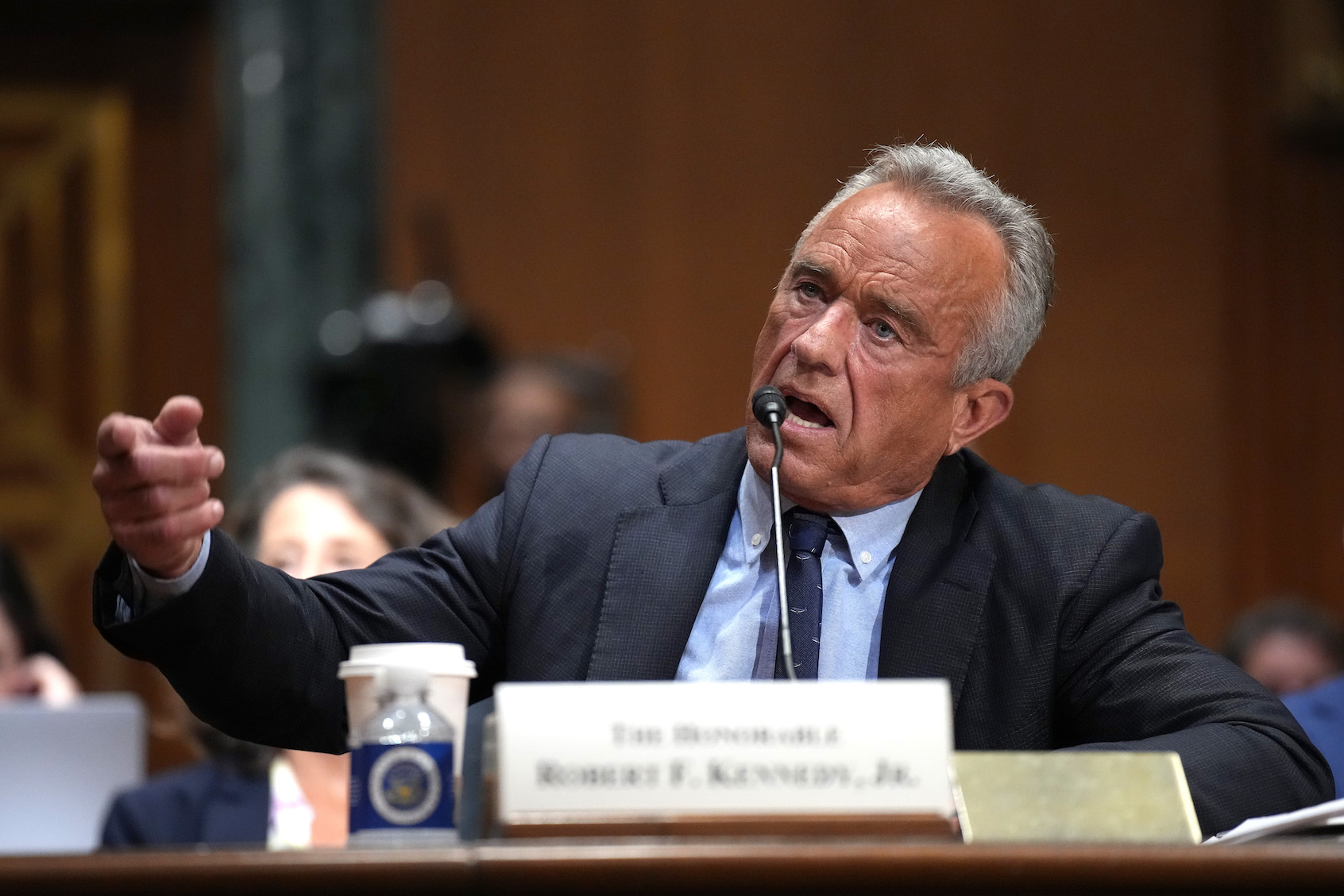
A shift in vaccine recommendations has sparked outcry from medical and pediatric institutions across the country. On Monday, the Centers for Disease Control and Prevention moved to reduce the number of vaccines recommended in the childhood immunization schedule. The decision was spurred by Health and Human Services Secretary Robert F. Kennedy Jr., a noted critic of vaccines who has spread misinformation linking childhood vaccination to autism.
The federal schedule for childhood immunizations were updated to remove five broadly recommended vaccinations and reduce the HPV vaccination recommendation to a single dose.
“These recommendations are meant to confuse parents, limit access to vaccines, and push RFK Jr’s political agenda at the expense of children’s lives,” the National Public Health Coalition said in a press release Monday.
The influenza vaccine is among those removed from the schedule. This change comes during a 25-year-high in flu cases as a new strain of the virus — subclade K of the H3N2 virus — spread across the country. The CDC has reported nine pediatric deaths in the current flu season.
Dr. Georges Benjamin, executive director of the American Public Health Association, also said the update creates unnecessary risk.
“This schedule is the result of a secretive process done by unknown people, without the benefit of public input,” Benjamin said in a statement. “This is health policy malpractice at the highest level and must be reversed before children and families across the country suffer.”
Start your day with essential news from Salon.
Sign up for our free morning newsletter, Crash Course.
Much of the justification for altering the vaccine schedule was to bring it closer in line with other developed countries like Denmark, Germany and Japan, which all have fewer immunization recommendations than the previous U.S. schedules.
Benjamin and other critics argue that this is not a coherent basis for the change because these countries have significantly smaller populations, different health care systems and regionally-specific public health concerns.
“We don’t follow Denmark’s vaccine recommendations because we don’t live in Denmark,” said Dr. Jose Romero of the American Academy of Pediatrics Committee on Infectious Diseases.
Denmark has a population of around 2 percent of the United States and provides citizens free health care. They are “two very different countries,” Dr. Anders Hviid, leader of vaccine safety and effectiveness research at the Statens Serum Institut in Denmark, told CNN. “Public health is not one-size-fits-all.”
Read more
about public health