
Stock market rebounds as investors reap N2.2trn amid decline in oil price
By Peter Egwuatu
The Nigerian stock market rebounded last week after weeks of sustained pressure from profit taking led to decline in stock value.
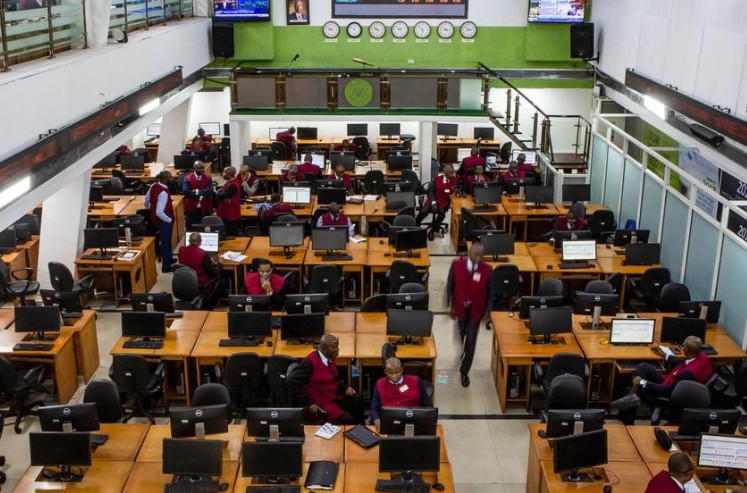
Equity investors on the Nigerian Exchange Limited, NGX, last week, reaped over N2.2 trillion in capital gains leading the NGX market capitalisation, to close last week at N163.795 trillion, up from N161.593 trillion the previous week.
Similarly, another major market performance indicator, NGX All Share Index, ASI, surged by 1.4 % to close at 252,269.16 points from 248,877.22 points the previous week, indicating renewed demand for selected heavyweight stocks, which dominated the market.
Analysts noted that although buying interests remained evident in major banking and industrial stocks , the broader market reflected a mixed trading pattern, with investors maintaining selective positions amid intermittent profit-taking in several stocks
The positive performance, according to analysts, highlights the continued resilience of the domestic stock market, which has maintained substantial gains since the beginning of the year.
Reacting to market performance and outlook analysts at InvestData Consulting Limited, said : “ The immediate market outlook remains cautiously positive, supported by the strong year-to-date return and continued interest in selected large-cap stocks. Nevertheless, investors are likely to maintain a selective approach, considering corporate earnings, dividend expectations, valuation levels and prevailing macroeconomic conditions before increasing their exposure. The possibility of further profit-taking cannot be ruled out, particularly in stocks that have recorded significant gains in recent sessions.
Overall, the market appears to be consolidating its recent advances while maintaining an underlying bullish bias. The ability of the index to break above the 255,000-point resistance level, alongside improved market participation, will be important in determining whether the current upward movement can extend into another phase of appreciation.” They further noted that the political outcome of the US midterm elections introduced additional uncertainty into the market adding that the developments have placed renewed attention on the possibility of diplomatic negotiations and their implications for global crude supply.
“For Nigeria, the movement in international crude prices remains particularly important given the country’s dependence on oil exports for foreign exchange earnings and government revenue. A sustained decline in crude prices could place additional pressure on projected oil receipts, especially if production levels remain below expectations. Conversely, elevated prices could support external earnings, although the benefits would depend on domestic production performance, export volumes and fiscal management” the analysts added.
