
Kano receives returned migrants almost weekly — AHIP
By Hadiza Yusuf
Kano State receives returned migrants almost every week, with stakeholders warning that the state’s location along major migration routes exposes many young people to irregular migration, human trafficking and forced labour.
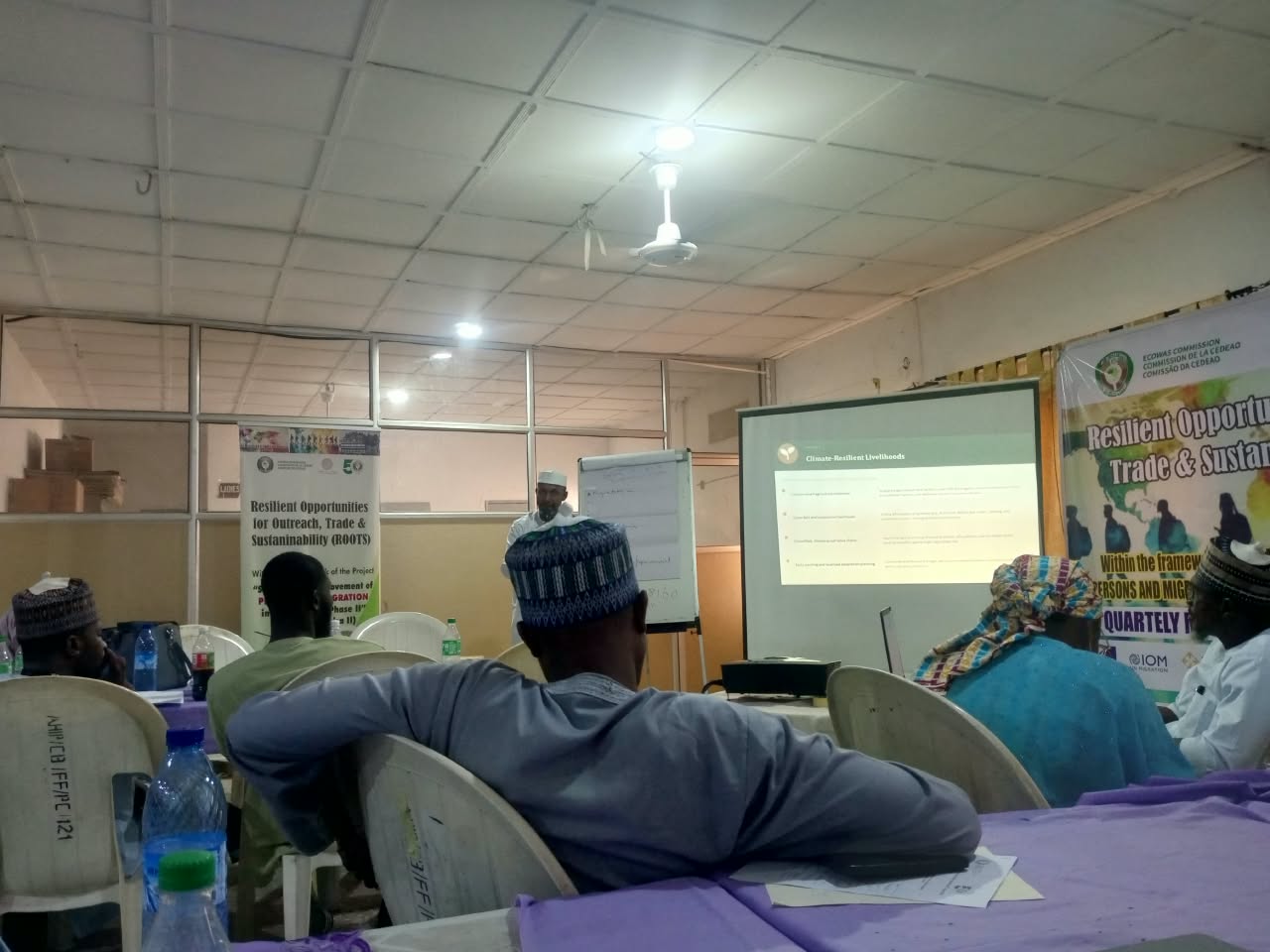
The Project Manager of the Adolescent Health and Information Project (AHIP) ROOTS Programme, Halima Kasim Usman, disclosed this on Thursday during the second quarterly review meeting of the programme’s Technical Working Group in Kano.
Usman said Kano had become an important transit and return point for migrants travelling to and from other African countries, making it necessary for stakeholders to strengthen efforts to promote safe and legal migration.
“Kano is actually a migration route. People pass through Kano to go to all these neighbouring African countries, and almost every week these migrants are returned to Kano,” she said.
She explained that not all the returnees were from Kano, noting that some were transported to the state because of its status as a major migration hub.
Usman said the situation could pose a challenge to the state if not properly managed, stressing the need for coordinated intervention by government agencies, traditional institutions, civil society organisations and development partners.
She said the ROOTS programme, a one-year intervention, targets returning migrants, vulnerable women, young people, female informal cross-border traders and smallholder women farmers.
According to her, more than 200 returning migrants, both male and female, had been trained in agribusiness, while over 200 smallholder women farmers in Bunkure had received training in climate-smart agriculture.
She added that beneficiaries were also trained in financial literacy and business management to enable them to establish and manage sustainable businesses.
Also speaking, an official of the National Agency for the Prohibition of Trafficking in Persons (NAPTIP), Kano Zonal Command, Umar Muhammad, warned that irregular migration was exposing many young people to human trafficking.
He said NAPTIP had been conducting awareness campaigns in communities, motor parks and through radio and television programmes to educate people about the dangers of irregular migration.
“Most of the people involved in irregular migration are youths, so we sensitise them about the dangers and consequences of irregular migration,” Muhammad said.
He explained that many migrants travel through routes linking Kano, Niger and Maradi before heading towards Libya, Algeria and other destinations.
According to him, some migrants are deceived by traffickers who promise them jobs and better lives but eventually subject them to exploitation.
“They don’t know that the traffickers are deceiving them. At the end of the day, they become victims of human trafficking,” he said.
Muhammad said some victims end up performing forced labour in countries including Saudi Arabia, Oman and Algeria, as well as some European countries.
He disclosed that the NAPTIP Kano Zonal Command had recorded 139 cases from January to date and secured nine convictions, with some offenders sentenced to at least six years in prison for offences including child abuse, labour exploitation and human trafficking.
The Field Coordinator of the National Commission for Refugees, Migrants and Internally Displaced Persons (NCFRMI) for Kano and Jigawa, Luba Liman, also disclosed that 5,780 returnees had arrived through Kano routes from January to date in 2026.
She said the figure included migrants who were not necessarily from Kano but returned through the state by land and air.
According to Liman, 2,067 of the returnees came through land routes, mainly from Niger and Agadez.
She explained that returnees fall into different categories, including voluntary return, assisted voluntary return and forced return, otherwise known as deportation.
Liman said government agencies, development partners and civil society organisations provide support to help returnees reintegrate into their communities.
She added that the International Organization for Migration (IOM) also assists vulnerable migrants with reintegration support.
According to her, returnees arriving through government-supported routes receive basic assistance, including food, shelter, clothing and hygiene materials, while women and children receive additional items such as sanitary pads and diapers.
She urged Nigerians planning to travel abroad to avoid dangerous routes and ensure they had the necessary travel documents.
“We are not discouraging them from migration. We are trying to curb irregular migration, whereby they travel through the Sahara without documents,” she said.
The stakeholders called for stronger collaboration among government agencies, traditional rulers, community organisations and other relevant groups to address irregular migration and reduce the risks of trafficking and exploitation among young Nigerians.