
Healthcare redefined in Borno: Zulum sets timeline to complete 400-bed teaching hospital, others
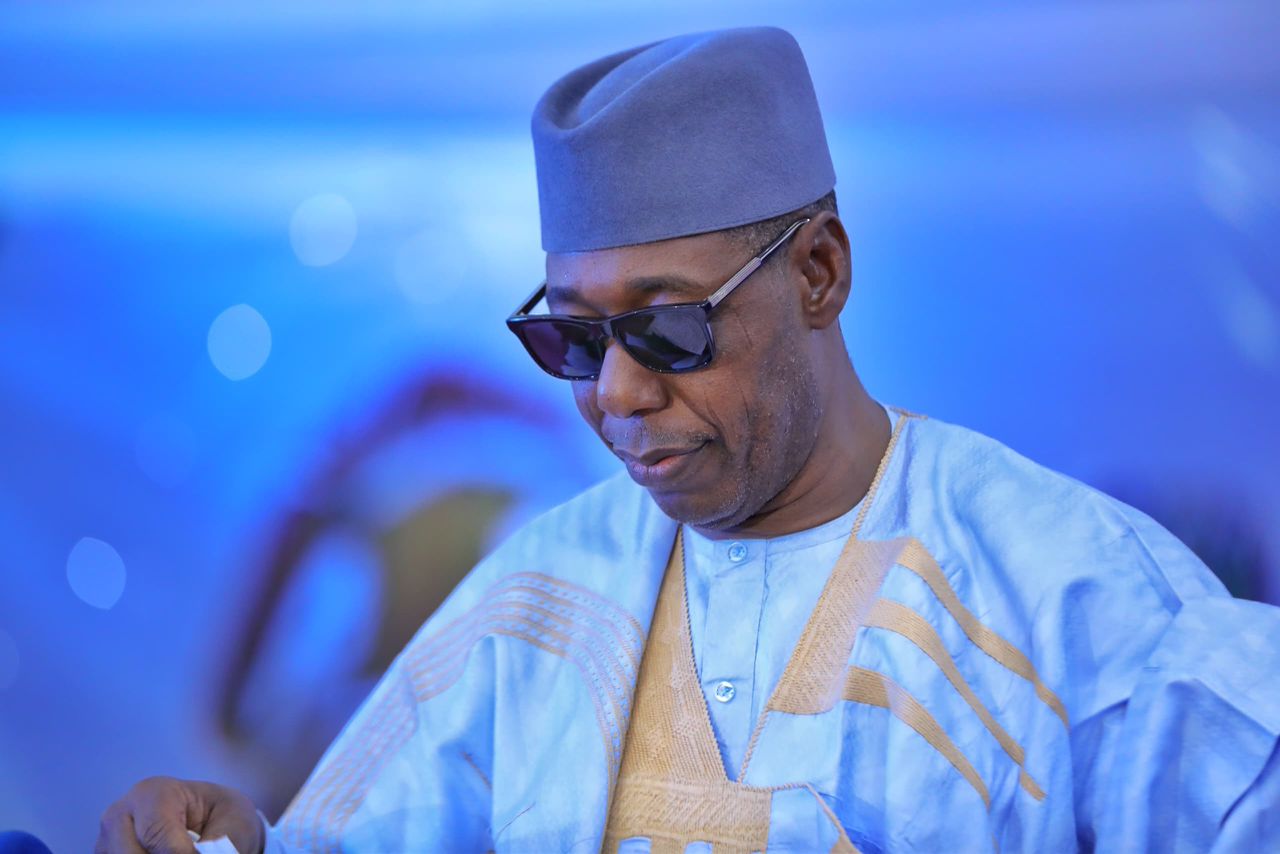
By Ndahi Marama
Come May 29, 2027, Governor Babagana Umara Zulum of Borno State is expected to draw the curtains on governance, having served his eight years/end of second tenure in a state hitherto characterized by challenges associated with insecurity and paucity of funds.
In tidy up to the task, the governor, who vowed not to leave any projects, especially health related, uncompleted, had embarked on inspection tour across legacy projects.
One of such is the multi-billion naira Sir Kashim Ibrahim Teaching Hospital, a.k.a Borno State University Teaching Hospital, located at the outskirts of Maiduguri because Zulum believes ‘Health is Wealth’.
When the governor inspected the 400-bed flagship Teaching Hospital on Friday, June 5, 2026, he promised that the institution will be completed and ready for operation within the next 60 days, noting that over 90 percent of the work has already been executed and that all medical equipment and installations required for the hospital had been fully procured and delivered.
“The equipment meant for this hospital has all been purchased, procured, and delivered. You can see the level of development in the hospital, and the consultant has informed us that over 90 percent of the work required has been completed,” Zulum said.
The governor expressed confidence that the remaining work would be concluded within two months, paving the way for the commencement of services.
“We believe that within the next 60 days, we will round off all the outstanding works, and the hospital will be ready for utilization”, he added.
“Regarding human resources for health, approval has already been granted, and about 350 staff members have been employed.
“We are set to go and ensure that this hospital, which has been our dream project, comes to stay”.
Zulum remarked that his administration had invested heavily in healthcare infrastructure across Borno and was determined to ensure effective management and maintenance of the new hospital.
According to the governor, the state government has resolved that the new facility would operate under a carefully structured management model that balances accessibility with sustainability.
His words: “Business as usual will not be feasible. The cardinal objective of any government is to bring succor to the people, particularly the less privileged. “However, we must establish certain standards for costing.
“We cannot charge like a private hospital, but we also cannot make everything completely free. There must be a minimum threshold that will ensure the sustainability of the hospital”.
The governor further stressed the need for full automation of the hospital’s operations, particularly its billing and management systems, to guarantee transparency, accountability, and efficiency.
“This hospital has the capacity to provide services not only to our people but also to those from neighboring countries. It will become a referral center for quality healthcare, provided it is managed effectively and sustainably”.
Zulum also inspected another 300-bed State Orthopaedic Hospital along Dikwa Road, which is at 85% completion, and directed that it be completed within the next four months.
Free dialysis
The governor had in 2020, just few months after he took the mantle of leadership in his first tenure, and in reaction to growing cases of kidney failures affecting citizens, thrown open invitation to foremost science researchers to submit proposals for investigation into the causes of prevalence in some parts of the state.
The researchers were charged to focus on water, environment and other possible causes.
Although, such initiative by Zulum could not yield the desired outcome, but because of his passion to healthy citizens, he ordered the state Ministry of Health and Human Services to commence free dialysis for patients up to date as against the practice of charging N30,000 for periodic session that is sometimes done weekly.
In 2022, his administration rehabilitated no fewer than 300 health facilities and constructed 64 new ones to enhance healthcare delivery in the state.
The health sector, which had faced challenges worsened by the decade-long insurgency, had experienced transformation by taking the bull by the horn.
For example, under the Ministry of Health and Human Services, the state government approved various projects in line with the 2023 fiscal year budget, such as the construction of seven units/blocks 30-bed capacity Primary Healthcare Centres with Nursing staff quarters at Limankara, Gwoza LGA, Shuwari in MMC, Kaleri, Mafa LGA, Zarmari, Konduga LGA, Fikeyel Hospital, Bayo LGA, Logumane, Modugnari, Jarago and rehabilitation of many Primary Healthcare Centres.
The State Primary Healthcare Development Agency won both the zonal and overall awards of the Primary Healthcare Leadership Challenge Fund worth $1,200,000.00, which was unprecedented.
The state continued to put a high premium on the development of all the tiers in the health sector, which include primary, secondary and tertiary healthcare institutions through the construction, reconstruction, and rehabilitation of facilities, as well as the procurement and distribution of essential drugs, consumables, and medical equipment.
In the same vein, the state-owned Colleges of Health Technology and College of Nursing Sciences have played a pivotal role in the training and retraining of much-needed middle-level health personnel through the accreditation of their programmes by the National Board for Technical Education (NBTE) and related agencies.
The state government has recruited about 1, 500 health workers in order to bridge the manpower deficit in the state, in addition to the Borno State Contributory Healthcare Management Agency, which has continued to discharge its function effectively.
For instance, in 2023, the state government paid its counterpart fund, amounting to N211,599,438.18, to the Borno State Contributory Healthcare Management Agency which had enable the agency to expand its free healthcare coverage to vulnerable groups in the state.
In the year 2024, government budgeted the sum of N51,124,004,000.00 for its capital and recurrent expenditures in the health sector, where it renovated and rehabilitated all general hospitals in the state, upgraded and expanded vertical wards at the Specialist Hospital, Maiduguri, and proceeded with the construction of physiology and laboratory departments as well as a mortuary at the State Teaching Hospital, Maiduguri.
Also in the limelight was the construction of the College of Nursing and Midwifery Gwoza, construction of primary healthcare centres at resettled areas and the renovation of Buba Marwa Quarters.
More so, Zulum constructed Eye Hospitals in Monguno and Biu, in addition to the establishment of Dental Hospitals in Monguno and Biu.
This aims to complement the existing ones in Maiduguri, the state capital, and provide access to healthcare at ease to people from Northern and Southern Borno Senatorial Districts.
Upgrading of General Hospital Molai and Infectious Hospital Ngarranam to Specialist Hospitals were all executed, including procurement of equipment worth N10 billion to the State University of Teaching Hospital and provision of scholarships to 600 indigenous people to study nursing and midwifery courses at various institutions within and outside the country.
Same year 2024, Zulum hosted the National Council On Health, where the Coordinating Minister of Health and Social Services, Professor Mohammed Pate, commended the governor for his foresight in revamping the health sector.