
Jonathan’s legacy rooted in experience, results — Yuguda replies Atiku
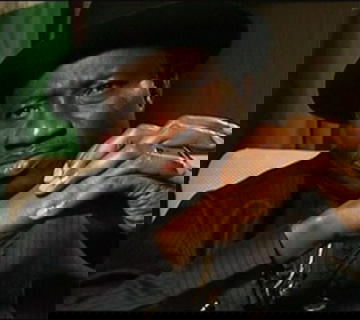
Former minister and diplomat, Ambassador Bashir Yuguda, has pushed back against recent remarks by former Vice President Atiku Abubakar, which suggested that the administration of former President Goodluck Ebele Jonathan was defined by “inexperience,” describing the claim as inaccurate and inconsistent with Nigeria’s documented history.
In a statement made available to the media, Yuguda acknowledged that Atiku had described Jonathan as a “decent man,” but cautioned against what he called assertions that misrepresent the former president’s record.
Yuguda, who served under Jonathan in multiple capacities, outlined the former leader’s progression through key offices, including Deputy Governor, Governor, Vice President, Acting President, and ultimately President of Nigeria.
He highlighted achievements recorded during the Jonathan administration, pointing to economic expansion that saw Nigeria emerge as Africa’s largest economy at the time, alongside improved investor confidence and relative macroeconomic stability.
“These were not accidental gains,” Yuguda said. “They were the product of deliberate policy choices and disciplined implementation.”
On agriculture, the former minister noted reforms that improved food availability and earned Nigeria recognition for progress in hunger reduction.
He also cited infrastructure efforts, particularly the revival of long-abandoned rail networks, describing them as critical to enhancing mobility and lowering transportation costs.
“I had the privilege of commissioning the rehabilitation of the Zaria–Gusau–Kaura Namoda rail line,” Yuguda recalled, adding that it formed part of a broader push to restore neglected infrastructure.
On the international stage, Yuguda said Nigeria strengthened its diplomatic standing during Jonathan’s tenure, including securing election to the United Nations Security Council twice within a short period.
“Nigeria’s voice carried weight globally,” he said. “Our engagements were strategic, and our leadership was respected across international platforms.”
Beyond policy, Yuguda identified Jonathan’s temperament and commitment to democratic values as the defining hallmark of his presidency.
“Even under pressure, President Jonathan remained calm, respectful, and committed to national unity,” he said, noting that the former president consistently urged restraint and dignity in public office.
He said this disposition was most evident during the 2015 general elections, which he described as a turning point in Nigeria’s democratic development.
“Faced with security challenges and intense political contestation, President Jonathan chose the path of peace,” Yuguda said. “His decision to concede defeat without hesitation strengthened Nigeria’s democratic culture.”
According to him, the act of concession continues to resonate within Nigeria and across Africa as a model of leadership.
“He demonstrated that leadership is not defined by how power is acquired, but by how it is exercised and relinquished,” Yuguda added.
The former minister also commended Jonathan’s post-presidency conduct, describing him as a steady voice for peace, institutional respect, and democratic consolidation.
While acknowledging that no administration is without shortcomings, Yuguda cautioned against what he termed “revisionist narratives” that diminish past leadership records.
“Constructive criticism must be grounded in fact, not convenience,” he said. “Nigerians deserve an honest assessment of their history.”
He urged the public to evaluate leaders based on verifiable contributions rather than retrospective claims.
“President Jonathan’s record is visible and enduring,” Yuguda stated. “It deserves to be represented accurately.”