
Healthy Florida First’s toxic baby formula dilemma
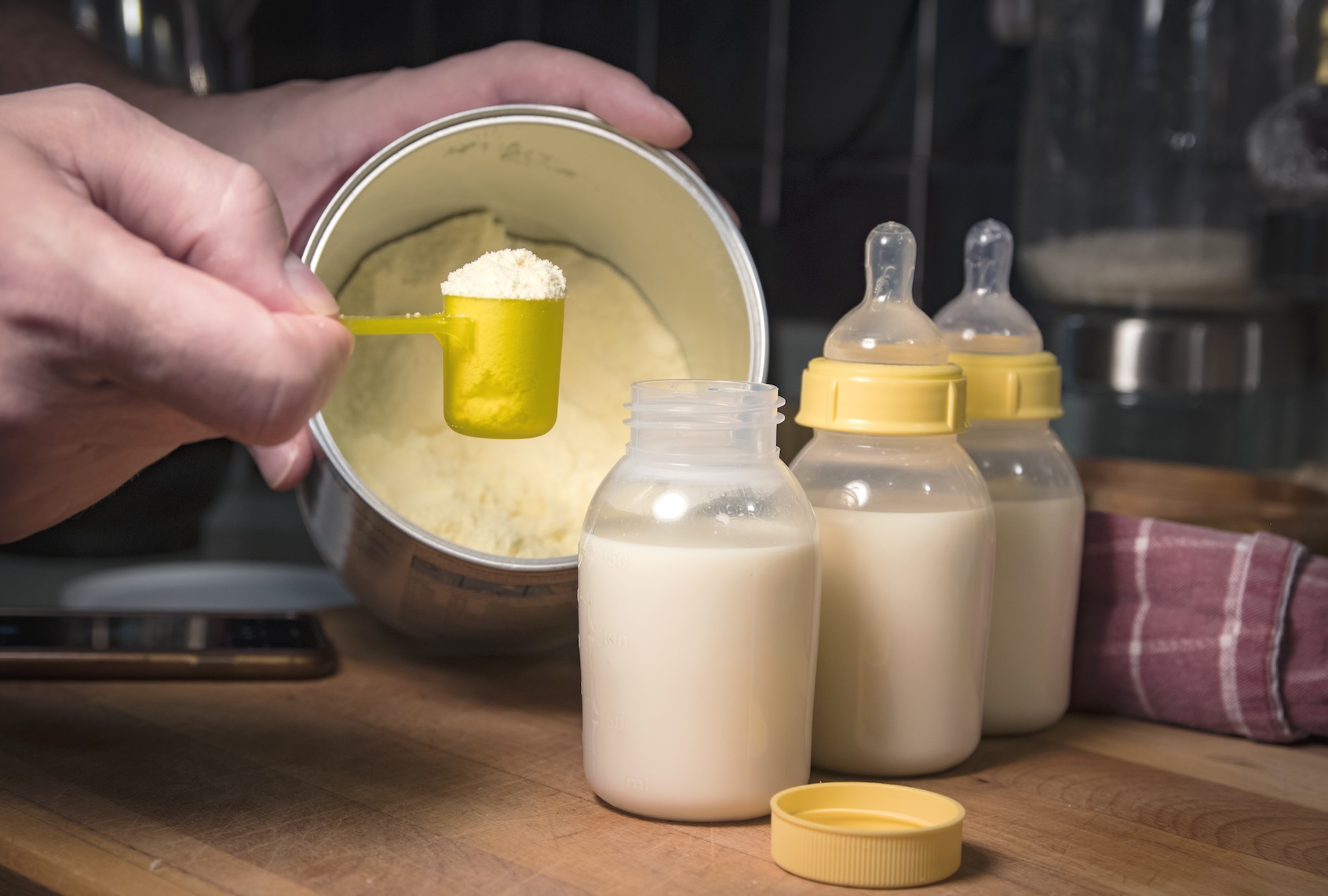
In January, Florida Gov. Ron DeSantis announced that the state had tested 24 infant formula products available for sale locally. The results, he claimed, revealed elevated levels of heavy metals, such as mercury, in 16 of the products tested. DeSantis said the state was stepping up “to protect” the most vulnerable in Florida, and that it was working with federal partners to “drive accountability and give families more options.”
This testing program was part of an initiative called Healthy Florida First, which aligned with Florida’s Make America Healthy Again (MAHA) agenda. An estimated $5 million was added to Florida’s 2026-2027 budget proposal to test for contaminants and ensure safer food and household products for Floridians.
Both Democrats and Republicans agree that America has an infant formula problem. Despite being a highly regulated part of the American food industry, infant formula is still too susceptible to contamination. In November 2025, all ByHeart Whole Nutrition Infant Formula products were recalled for possible contamination with Clostridium botulinum, a bacteria that causes botulism, an extremely deadly illness.
In February, the CDC confirmed 28 infant botulism and 20 cases of probable infant botulism linked to the formula. In 2022, infant formula maker Abbott Laboratories paused production at its Michigan plant for nearly four months after concerns of a potential bacterial contamination. It happened at a time when supply chains were still feeling the strain of the COVID-19 pandemic, which led to an infant formula shortage across the country.
However, experts and infant formula companies are questioning the integrity of Healthy Florida First’s, MAHA-aligned, testing methodology and results.
According to the Healthy Florida First chart outlining the results, their testing allegedly indicated that Bobbie infant formula had levels of mercury that “exceed the maximum daily limit.” Yet earlier this month, a new Consumer Reports investigation did not detect mercury in any of the formulas tested, including Bobbie infant formula. In fact, Bobbie was rated as a “top choice” by Consumer Reports.
After seeing Healthy Florida First’s results in January, Bobbie COO Casey Bauer told Salon they made at least six requests for information about the products, methodology and results, without receiving a response.
“Healthy Florida First’s lack of response for more details further exacerbated the misinformation.”
“These repeated requests were sent via email and phone to get more information about the products tested, methodology and lab information — all of which is standard protocol and should be easily available to send to any company tested,” Bauer said. When they did receive information, Bauer said, the testing methodology was “not done appropriately for powdered infant formula.”
Bobbie told Salon that Healthy Florida First also sent Bobbie batch numbers of the samples they tested, which did not include existing Bobbie batch numbers, per their records.
Additionally, the infographic first released by Healthy Florida First, used by a Tampa Bay Fox News affiliate, had an error. The first one said that “Bobbie organic infant formula” had concerning levels of mercury.
“The visual graphic, which was widely circulated online, was mismatched with the table of results, thus implicating both of our formulas,” Bauer said. “The Healthy Florida First team quietly changed their own graphics on their website more than 10 days after the initial results were shared through a major press conference from the governor of Florida, circulated through major media and social media accounts.”
Bauer said “this very serious error” caused “confusion and fear amongst Bobbie customers.”
“Healthy Florida First’s lack of response for more details further exacerbated the misinformation,” Bauer said.
Start your day with essential news from Salon.
Sign up for our free morning newsletter, Crash Course.
And it wasn’t just Bobbie. According to the Healthy Florida First infographic, some of the Enfamil formulas tested allegedly had concerning levels of mercury. In a statement to Salon, Enfamil manufacturer Mead Johnson Nutrition said the company was “disappointed” that Florida “announced results without sharing any data or detailed testing methodology, which may unnecessarily scare parents and caregivers.”
“These results are inconsistent with the findings observed across thousands of tests we perform annually,” the company said. “We are concerned this testing, without the proper scientific, regulatory and environmental context, can lead to oversimplified statements, not representative of the product category or industry.”
Salon contacted Healthy Florida First multiple times for comment regarding these allegations, and did not receive a response.
According to the Healthy Florida First initiative’s FAQ section, the products tested, which also included candy and bread, were screened for some heavy metals, pesticides and herbicides, fluoride, microplastics, volatile compounds, and radioactive materials in water. Products were reportedly sourced from multiple retailers, including online ones. As for the methodology of testing, it reportedly followed standards set by the U.S. Environmental Protection Agency, Food and Agriculture Organization and other accredited methods.
Jennifer Smilowitz, an assistant professor in the Department of Nutrition at the University of California, Davis, told Salon that while the methodological framework was described, Healthy Florida First did not describe the specific methods used to measure heavy metals.
“For example, they didn’t describe instruments used such as ICP-MS or describe how the sample was prepared before analysis, which can influence the results, of the detection limits or calibration details,” Smilowitz said. “Unlike Florida First, the CR [Consumer Reports] full report references their test methodology in a separate document; they describe in full detail how many samples from each lot were measured, how many lots they measured, and that they tested each sample twice, which is important for reproducibility.”
Not knowing about their methods makes it difficult to compare the results, Smilowitz said. Indeed, the problem appears to be a lack of transparency. Smilowitz added that these fine details, like contamination during sampling or preparation, or if the products were tested in powder form or prepared formula, matter in understanding the results. Those details have not been provided by Healthy Florida First.
Sana Mujahid, Consumer Reports’ senior manager of food safety research and testing, said in general, there is much room for improvement when it comes to infant formula safety in the United States, comparing regulatory standards in the U.S. to those in Europe as an example.
“The EU and some other countries have regulatory limits for the contaminants that we tested for, whereas the U.S. does not,” Mujahid said. “So that’s a discrepancy right there that should be addressed so that companies have a standard to adhere to.”
As Consumer Reports pointed out on Instagram, their results come a year after the HHS and Food and Drug Administration announced “Operation Stork Speed,” an initiative to improve the domestic infant formula supply.
As for American moms looking for answers, Bauer of Bobbie said he would advise them to “consider the source.”
“It’s not that we don’t accept the results from Healthy Florida First because we don’t like them, but because they are highly suspect and riddled with errors,” Bauer said. “We take infant formula testing and rigorous safety practices incredibly seriously, and the same cannot be said for Healthy Florida First.”
Read more
about the Make America Healthy Again movement