
And America’s worst top role model is . . . Tyra Banks
Somehow, I completely forgot about The Girl Who Was Coerced into Oral Surgery.
That isn’t an official “America’s Next Top Model” episode title, although it fits the format. Nearly every episode title in the show’s first nine cycles starts with the words, “The Girl Who . . .” Among them is “The Girl Who Has Surgery,” which refers to Joanie Sprague, a contestant who consented to having four of her teeth removed, root to crown.
Her fellow sixth-season contender, Danielle Evans, declines production’s offer to pay for a procedure to close a gap in her front teeth. “It’s who I am,” she says. The doctor is obligated to honor Evans’ desires. “Top Model” creator and host Tyra Banks is not. She insinuates that if Evans doesn’t alter her teeth, she will be sent home. So the girl acquiesces and, in the next episode, we watch the dentist go to work on Evans’ mouth.
Believe it or not, this isn’t the most terrible wrongdoing that was transformed into a storyline. By the time “Reality Check: Inside America’s Next Top Model” rewinds to that distress, it has already visited with Shandi Sullivan, the Cycle 2 contender immortalized in the episode titled after her core trauma: “The Girl Who Cheated.”
Clear-eyed hindsight shows that Sullivan didn’t deliberately cheat on her boyfriend, though. In Milan, she blacked out while drunk, and appears to have been sexually assaulted by a man who was invited to the models’ apartment for dinner and drinks.
“I didn’t even feel sex happening. I just knew it was happening. And then I passed out,” Sullivan says in “Reality Check,” adding that the cameras recorded all of it. In the days that followed, Banks and fellow executive producer Ken Mok turned it into a storyline, characterizing what happened not as a violation but as Sullivan’s failing.
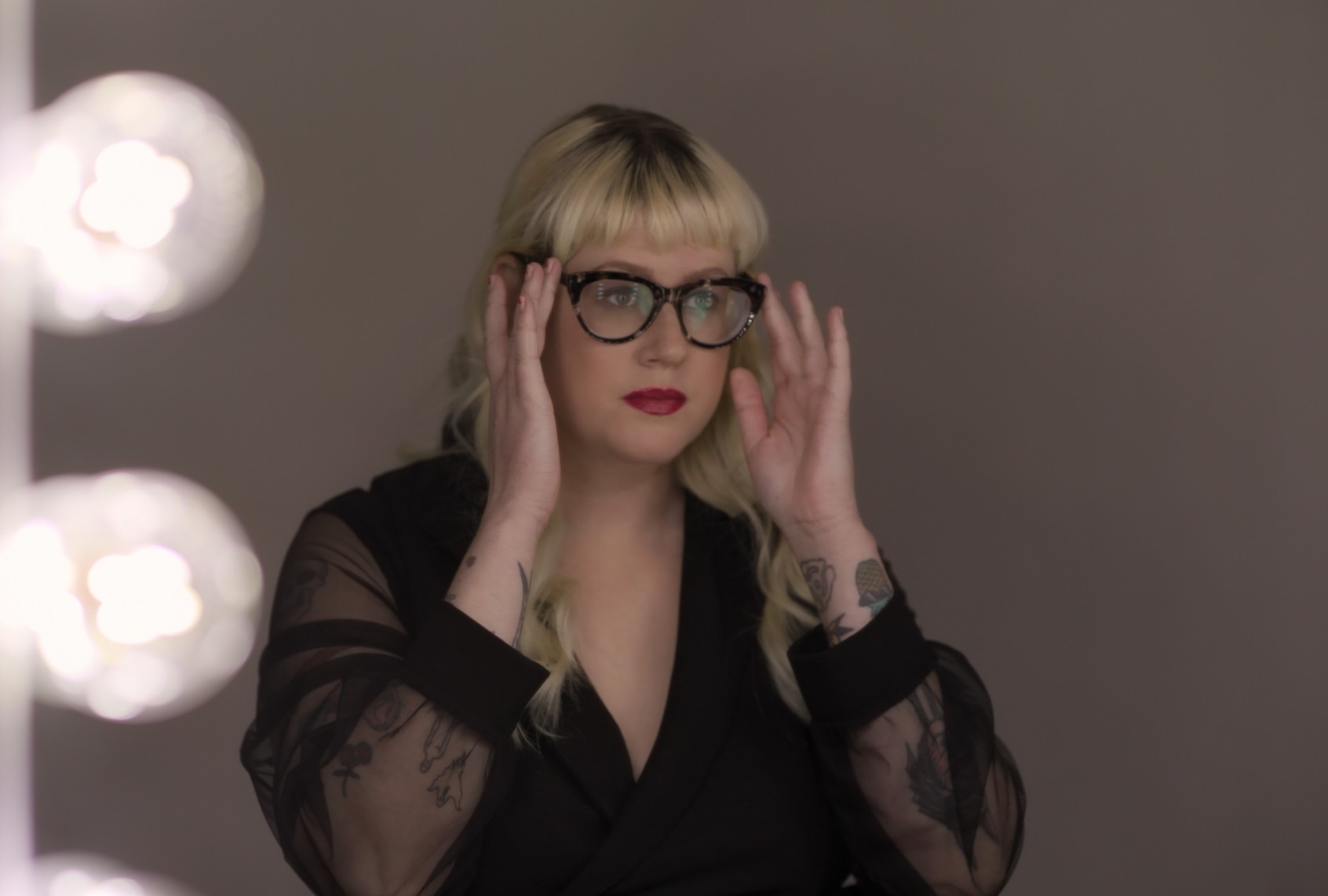
(Netflix) Shandi Sullivan in “Reality Check: Inside America’s Next Top Model”
“That was, for good or bad, one of the most memorable moments in ‘Top Model,’” says Mok in “Reality Check,” right before the action cuts to Sullivan, teary-eyed and shrugging as she deadpans, “Made for good TV.”
Nauseating as this looks twenty years after the fact, “Reality Check: Inside America’s Next Top Model” shows such abuses were framed as part of the cost of fame-seeking. Plenty of these women were subjected to intolerable treatment for no defensible reason. One, the daughter of a gun violence victim, was made to pose as if she’d had her brains blown out as part of a “high fashion crime scene” shoot.
Cycle 4 contestant Keenyah Hill was surprised to watch with the rest of America as Banks and her fellow judges Jay Manuel, J. Alexander (aka Miss J) and Nigel Barker openly disparage her supposed weight gain.
Hill had to have some inkling of how her story was playing out, since Miss J opens her cycle with a weigh-in that designates her as The Girl Who Has a Few Pounds to Lose — a precursor to challenges casting her as the deadly sin of Gluttony, or, in a South African shoot, an elephant.
Today, Manuel remorsefully talks about learning through his work on “Top Model” how these real young women were forced into misleading but defining storylines. Hill got the fat girl edit, in other words. It’s only fair that more than two decades later, “Reality Check” directors Mor Loushy and Daniel Sivan give Banks the villain edit — although, honestly, she achieves that all by herself.
We might have forgotten all about the “Top Model” house of horrors if not for the twin necromancers of streaming and social media. Gen Z and younger Millennials discovered “Top Model” during the pandemic, necessitating a reconsideration of the reality competition post-#MeToo and in the wake of the body positivity movement. The kids took to TikTok and Instagram to dissect every awful thing Banks and the rest did in the name of goosing ratings, with many wondering why its audience barely blinked at its endless exploitation.
“Reality Check,” though, takes its indictment a step further.
Loushy and Sivan could have done the interrogational equivalent of setting Banks and everyone else involved with making “Top Model” in front of a firing line. By handing Banks a length of rope instead, and standing by as she prettily ties it into a noose, they invite the audience to conclude that the many sins of “Top Model” weren’t merely systemic. They can be traced almost entirely back to Banks’ individual refusal to help or protect the young women who thought she would share a few crumbs of her success with them.
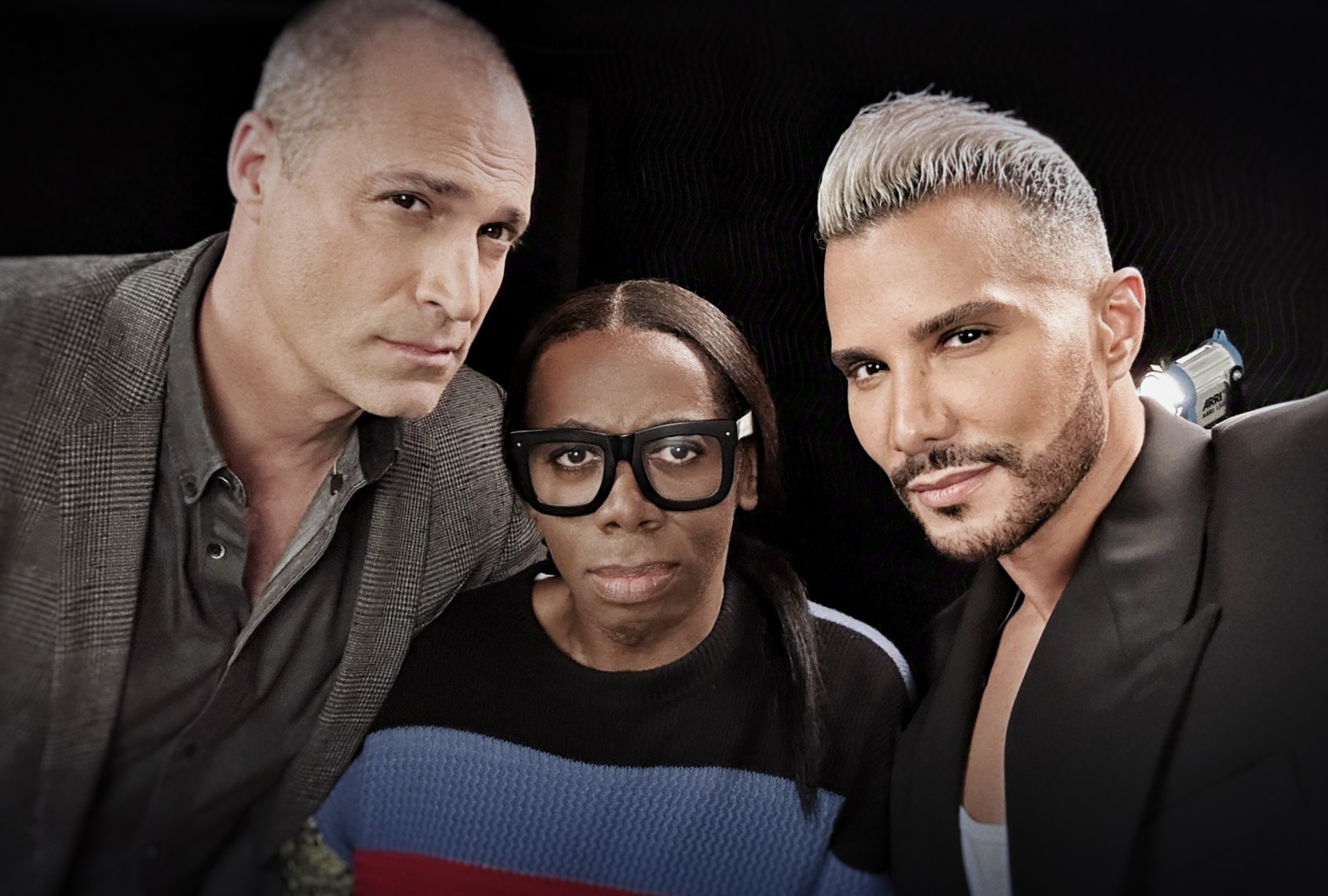
(Netflix) Nigel Barker, Miss J and Jay Manuel in “Reality Check: Inside America’s Next Top Model”
“Reality Check” gives Banks the villain edit — although, honestly, she achieves that all by herself.
Justly or not, it’s tough to emerge on the other side of “Reality Check” without harboring the impression that the “Top Model” creator deserves a seat on a nitro-boosted express train to the hot place.
Since Banks and Mok were both in charge of the series’ execution over most of its 24 seasons (referred to as “cycles”), you may think that’s unfair — especially since the pugnaciously cruel Janice Dickinson doesn’t appear in “Reality Check.” But I’d wager that most of those who feel that way don’t remember who Banks revealed herself to be once both she and The CW show perched atop pop culture’s peak.
When “America’s Next Top Model” launched in 2003, Banks was one of the highest-earning models in the industry and one of the few Black women to be hailed as a supermodel. She became the first Black model to land on the covers of GQ and Sports Illustrated’s swimsuit issue — achievements denied to Beverly Johnson, Iman and Banks’ nemesis Naomi Campbell, women who paved the way for her.
Banks had cachet to burn, which made her proposal to challenge the fashion industry’s idea of beauty by finding the next great model via a reality TV competition revolutionary. She also had the power to boost deserving people otherwise overlooked by agencies and designers by vouching for them. Many other famous people have done that, even in Banks’ famously cutthroat industry.
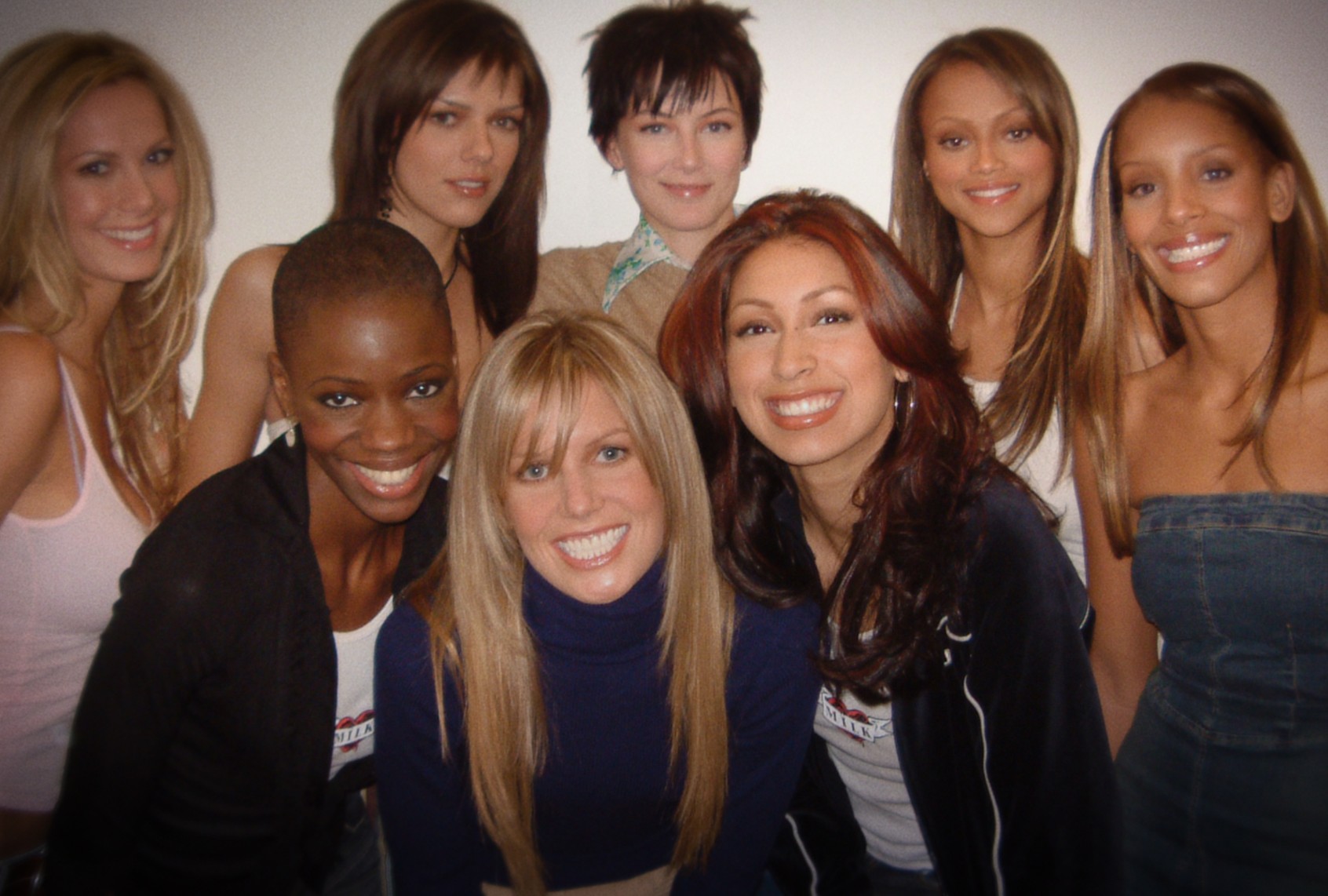
(Netflix) “Reality Check: Inside America’s Next Top Model”
Apple TV’s 2023 docuseries “The Super Models” reveals that Christy Turlington and Linda Evangelista included Campbell in their alliance, telling the fashion houses that wanted to hire them that they wouldn’t walk in their shows unless they also invited her. Iman credits Rose Marie Bravo, renowned for revitalizing the Burberry brand, for helping her launch her cosmetics company.
Manuel, Banks’ makeup artist and erstwhile friend who remained with “Top Model” through 18 cycles, also remembers aspiring to show what the modeling world demanded behind the scenes and, perhaps, help change some of its practices for the better. Once the show’s global audience ballooned to over 100 million, all that went out the window in favor of constantly chasing extremes.
Start to finish, “Reality Check” is an exercise in self-examination and culpability. That also applies to everyone who watched “Top Model” when it was in its prime. As the docuseries madly dashes down a remembrance runway lined with blackface challenges, a shoot using unhoused people as props and another glamming up bulimia, complete with a woman covered with fake vomit, one can’t help but wonder why and how millions found any of that to be acceptable.
And while many “Reality Check” subjects circle back to the classic “It was a different time” excuse, that fails to hold water when its most aggrieved participants recount experiences that would be inexcusable in any era.
Banks forcing Evans to undergo a dental procedure she didn’t want wasn’t the worst way that the host failed her. Near the end of the series, Evans reveals that not only did winning “Top Model” prevent her from gaining a foothold in an industry that stigmatized reality TV, but that Banks called her many years later to say she knew she could have opened doors for Evans but chose not to. This came after Evans found out that Banks enthusiastically widened cycle 15 contestant Chelsey Hersley’s tooth gap, inspired by Lauren Hutton’s grin.
Start to finish, “Reality Check” is an exercise in self-examination and culpability. That also applies everyone who watched “Top Model” when it was in its prime.
Not picking up the phone at all would have been kinder. That Banks made that call, however, aligns with what we surmised about her personality from watching “Top Model” — she was always much harder on Black contestants than nearly everyone else. An unconventional smile was unacceptable for Evans. On a white woman, it’s gorgeous. It isn’t a white girl she’s screaming at in the show’s immortal “We were all rooting for you!” meme, but 2005 contestant Tiffany Richardson. Banks melodramatically says Richardson was beloved to her in “Reality Check” before claiming their shared “Black-girl stuff” as the reason she humiliated the young woman on national television.
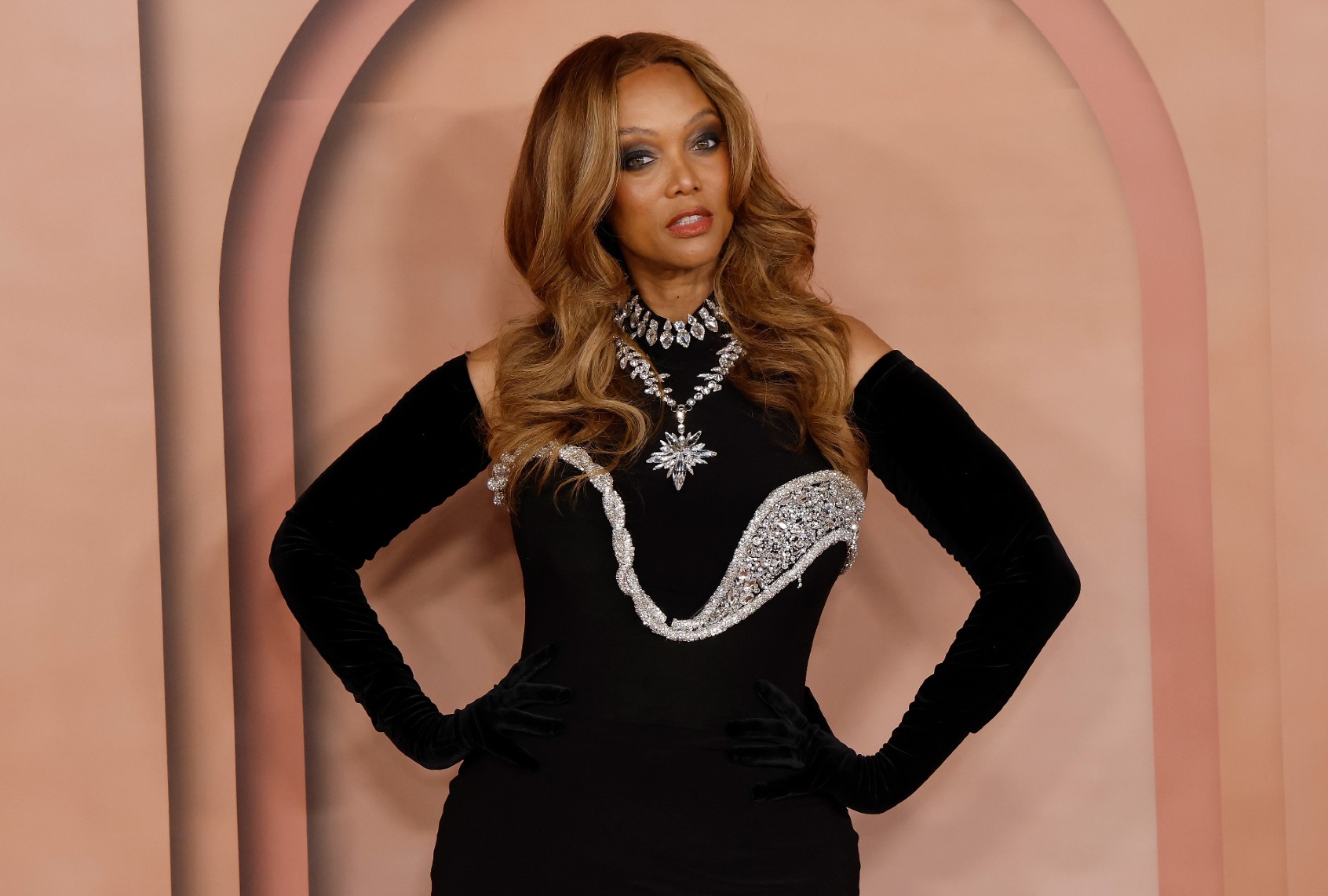
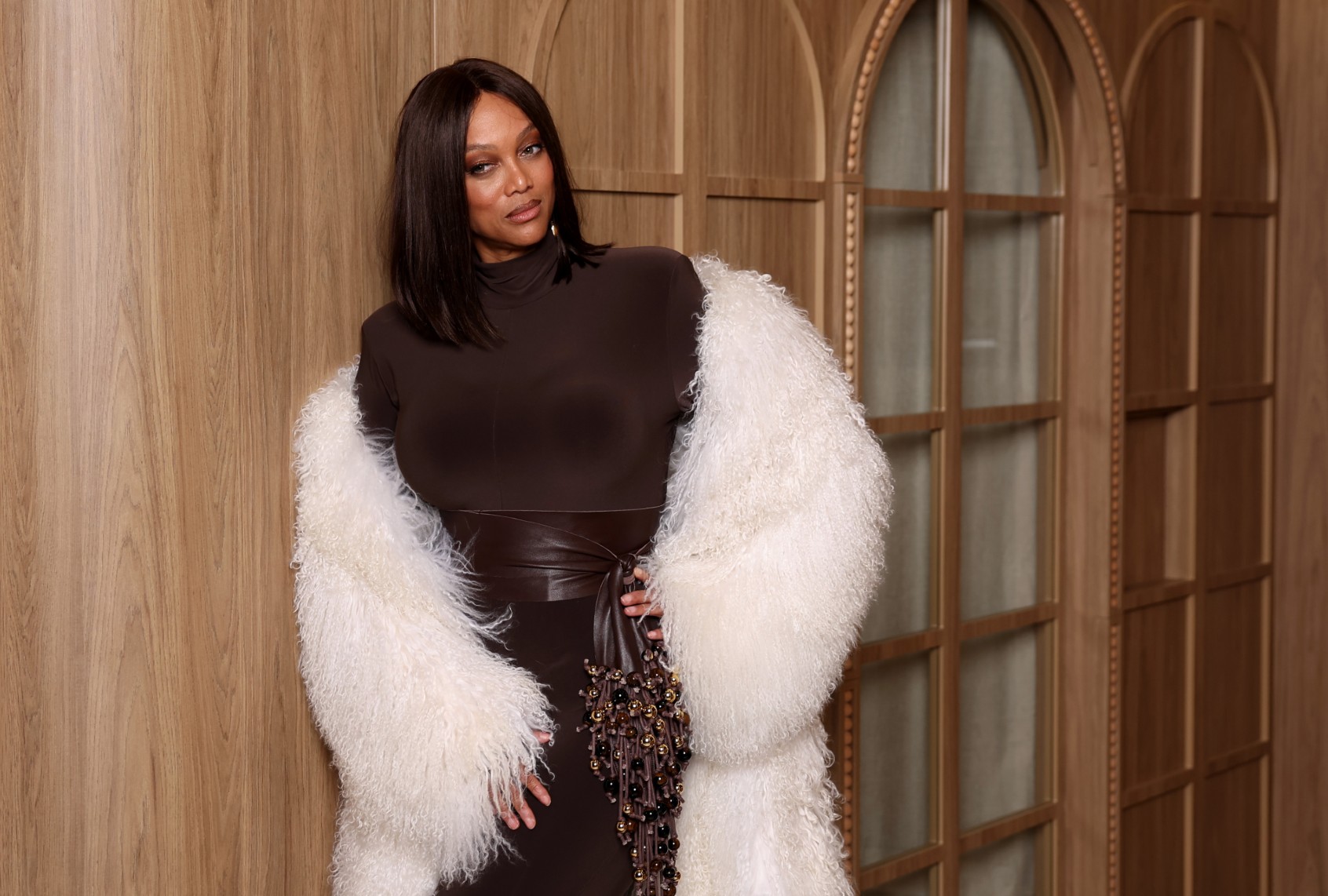
(Taylor Hill/Getty Images) Tyra Banks
“It was probably bigger than her,” Banks says. “It was family, friends, society. Black girls, all the challenges that we have, so many people saying that we’re not good enough. I think all of that was in that moment. . . but I knew I went too far.”
What an interesting conclusion, considering her refusal to take accountability for other mistakes, including the show’s heartless depiction of Sullivan’s wounding. “I’m not head of story, that’s Ken Mok,” Banks briskly answers when a producer presses her to talk about that chapter, while an intertitle identifies her as the show’s creator and executive producer.
Although Manuel, Barker and Miss J pass the buck plenty of times, too, the agonizing recall of their collective firing in 2012 allows them to come off more sympathetically. (Surely their role as this production’s consultants has nothing to do with that.) Miss J also survived a stroke in December 2022 that left him unable to walk. Barker and Manuel visited him in the hospital. What about his former model boss? Take a guess.
Want more from culture than just the latest trend? The Swell highlights art made to last.
Sign up here
“Top Model” has generated a few TV stars, including its first winner, Adrianne Curry, who went on to marry Christopher Knight (Peter from “The Brady Bunch”) before co-starring with him in VH1’s “My Fair Brady.” Sprague co-hosted “Run My Renovation” for the DIY Network and was a carpenter on “Trading Spaces.” Cycle 3 winner Eva Marcille became a soap star and one of “The Real Housewives of Atlanta.”
Others found limited success working in overseas fashion markets. Domestically, Cycle 2 winner Yoanna House graced the cover of Psychology Today. That season’s runner-up, Mercedes Scelba-Shorte, was an Arthritis Today cover girl.
Meanwhile, Banks used her ascended status to score her own syndicated talk show, where she railed against the tabloids for body shaming her, only to turn around and inflict that very damage on “Top Model” contestants. And when she welcomed past “Top Model” contenders to “The Tyra Banks Show,” including Sullivan, she replayed footage of her assault on air despite Sullivan expressly asking her not to.
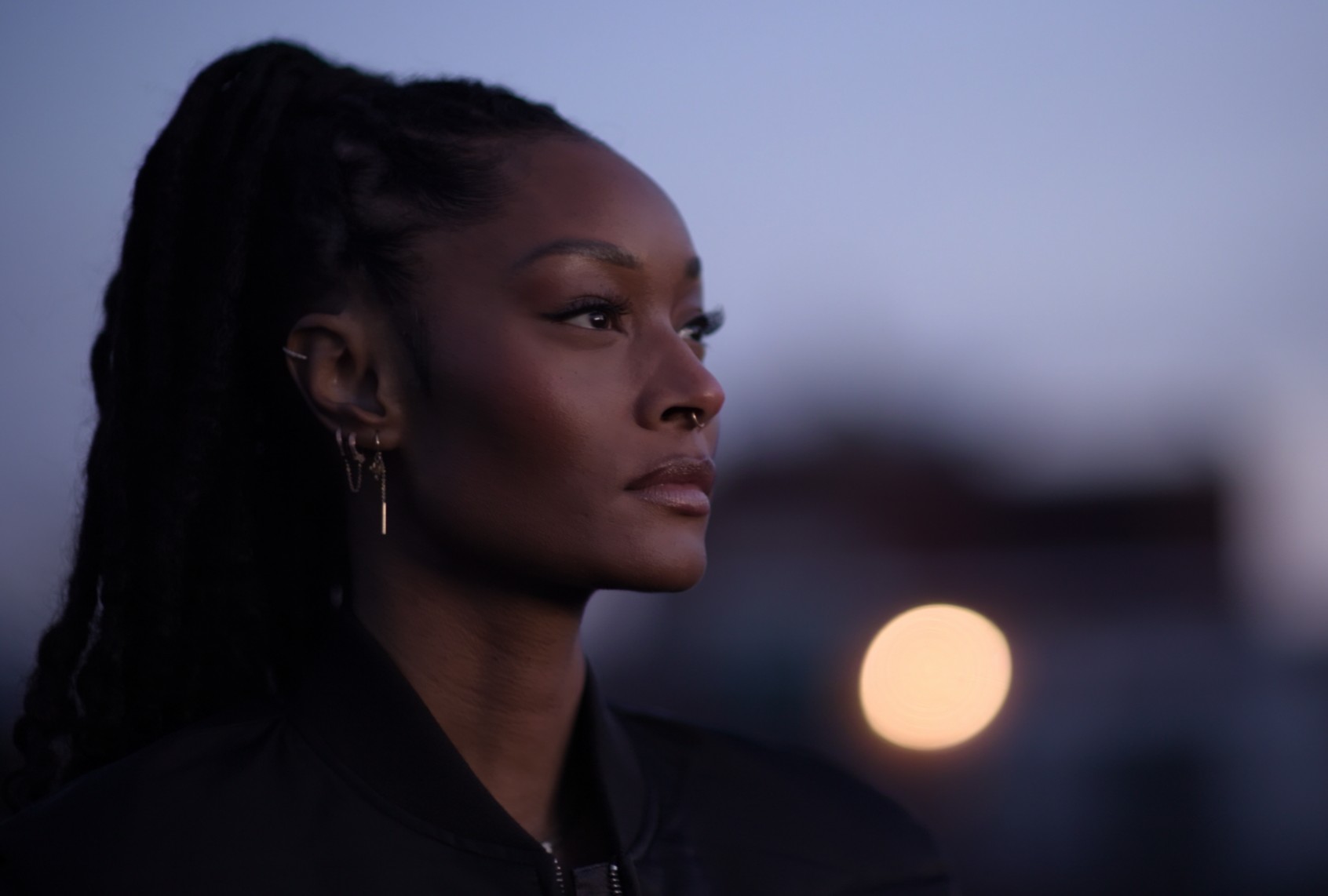
(Netflix) Dani Evans in “Reality Check: Inside America’s Next Top Model”
Succeeding in a ruthless industry isn’t evil. Most people would agree that securing success on the backs of those with little to no power is. The Tyra Banks we see in “Reality Check” knows she had pull then, and even now, but falls short of admitting she could use it altruistically instead of solely for profit.
In 2007, I wrote that to young girls everywhere, “America’s Next Top Model” was “the equivalent of Sunday service in the Church of Tyra.” Remembering this makes “Reality Check” a cautionary tale for those seeking a role model in someone who is never going to make room for anyone else in her VIP section. When Banks purrs, “You have no idea what we have planned for Cycle 25,” you’ll have to forgive me for taking that as a threat, not a tease.
“Reality Check: Inside America’s Next Top Model” is streaming on Netflix.
Read more
about reality TV