
One year later, how Trump’s USAID cuts are affecting the world
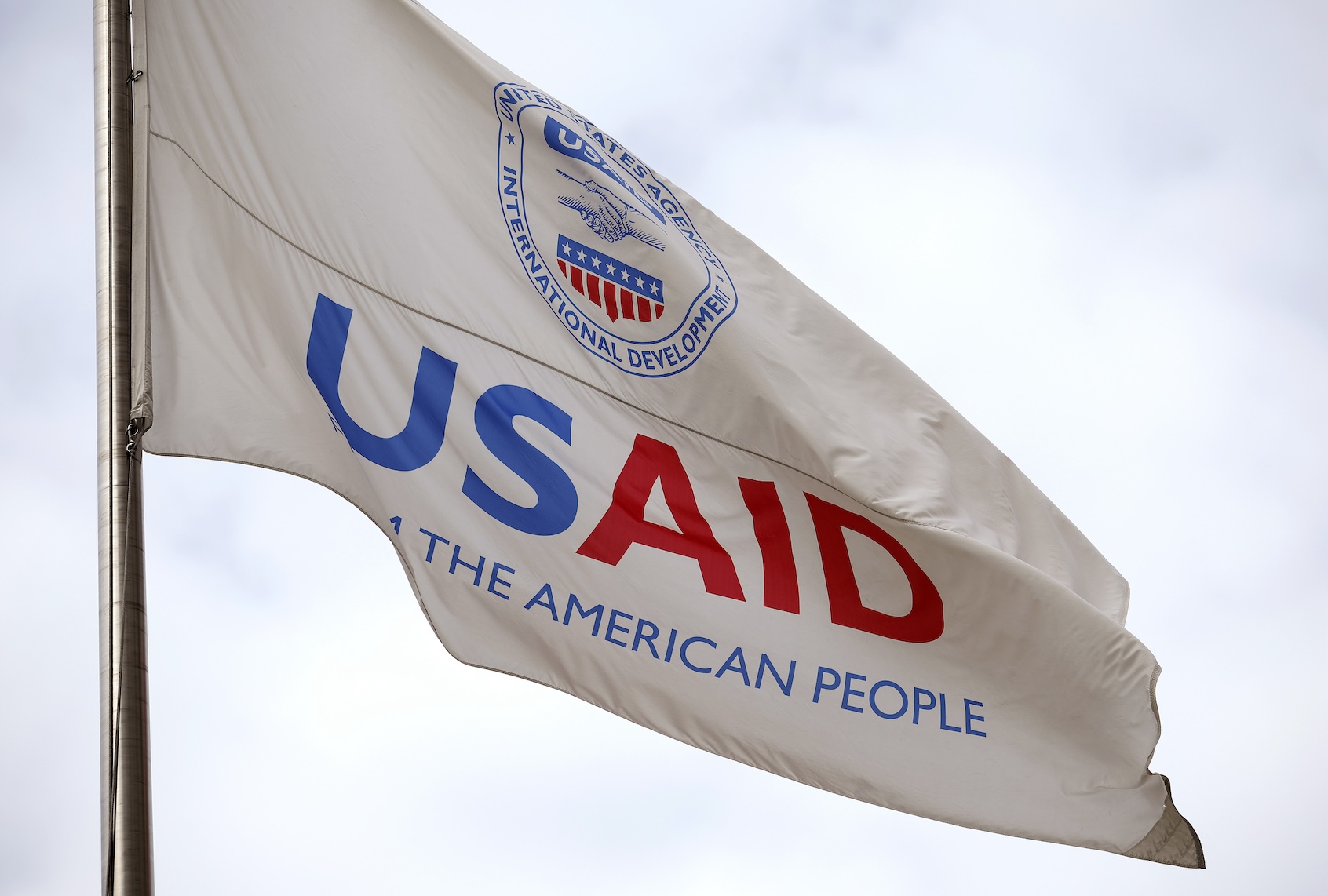
In January 2025, when President Donald Trump took office a second time, one of his first actions was to slash U.S. foreign aid. The process started with a 90-day review, but in early February 2025, the USAID website was taken down. At the time, billionaire Elon Musk, who was brought on as a “special government employee,” said they spent the weekend “feeding USAID into the wood chipper.”
By March, 83 percent of USAID programs ceased to exist. These abrupt changes caused chaos among nongovernmental organizations worldwide — including organizations that help women in Africa access family-planning information and resources.
One year later, people on the ground are still feeling the impact of the abrupt and drastic cuts. Pester Siraha, country director of MSI Zimbabwe — which is now the only NGO providing family planning services at scale in Zimbabwe following the closure of other USAID-supported organizations — told Salon in a video call she wishes more people understood the chaos this has caused.
The abrupt and significant funding cuts over the last year have been “devastating” for the women of Zimbabwe, Siraha said, and even for the governments. When the funding cuts occurred, MSI Zimbabwe could not meet the needs of the entire country. As a result, they had to quickly prioritize which areas they could visit and offer their services and contraceptives, leaving many women without access to their services throughout the year. When they finally were able to go to a rural town where access had been delayed for nearly a year, the women were “excited” to see them coming, Siraha said.
“The women told me that the sudden cuts in funding and services were devastating for them; some of the women ended up with unplanned pregnancies,” Siraha said. Some of the women decided to take a long-acting contraceptive method, instead of the birth control pills, because they were worried about funding being cut again, she added. In other words, they felt that they could no longer trust the process and depend on these services to be reliable.
“We were struggling to meet the demand of these women in the field.”
Siraha said she wishes the decision-makers could come to the ground to see exactly how the funding was helping people, and what the landscape looks like without it. Since 1980, Zimbabwe has made progress in educating women on family planning to reduce teenage pregnancy rates. The idea that women should have the number of children they want, that they can afford and look after, has been widely embraced, Siraha said.
“So they can concentrate on other income-generating activities for their families and for the country, and all that suddenly is cut, and the women are in limbo,” Siraha said. Now, the women are making choices on contraceptive methods based on the funding cuts. “[They said] we are not even sure whether you will also continue to provide the services, at least if I have a 10-year method, I can be protected for the next 10 years, whilst you know, decisions are being made in terms of the funding landscape.”
In September 2025, the Trump administration told The New York Times that it had destroyed millions of dollars’ worth of contraceptive medication and devices that were being stored in Belgium. But a later report revealed that wasn’t the case. For a while, $9.7 million in contraceptive pills, intrauterine devices, and hormonal implants purchased by the U.S. government before Trump dismantled U.S. foreign aid programs remained in limbo. These supplies were originally intended for distribution in low-income countries, such as in Africa, but ended up in a storage warehouse in Belgium. In November 2025, officials said that some of the supplies were no longer usable.
Start your day with essential news from Salon.
Sign up for our free morning newsletter, Crash Course.
Patrick Kinemo, country director of MSI Tanzania, told Salon that Tanzania was expecting to receive a significant portion of the $9.7m worth of USAID-funded contraception supplies. As a result of the situation, they found that there was a “critical shortage of contraceptives” in Tanzania.
“We were struggling to meet the demand of these women in the field,” Kinemo told Salon in a video interview about the initial impact. Kinemo elaborated that he and his team had to sit down with the government to figure out how to redistribute what they did have immediately. One year later, challenges around accessibility remain.
“Women are unable to access their preferred method of contraception,” Kinemo said. “Many women are not able to access contraception.”
Access to contraceptives and family planning, Kinemo said, is a rights issue. It’s also a public health issue and an economic issue.
“Tanzania has a high teenage pregnancy rate; it’s around 22 percent,” he said. “If young girls are unable to get contraceptives, then obviously they become susceptible to early pregnancies, and this impacts their life outcomes generally.”
He added it’s really “unfortunate” that the contraceptives that were held in limbo have now gone to waste.
“MSI could have received it and distributed it,” he said. “It’s a waste, and it’s a shame that it has come to that.”
Guttmacher Institute estimates that 50 million women and girls have already been denied contraceptive care in low and middle-income countries globally. Moreover, the defunding of USAID last year is estimated to lead to 14 million additional deaths worldwide by 2030. Meanwhile, organizations face a difficult year ahead as they try to make up for the gap in funding. After U.S. foreign aid was cut, countries like the United Kingdom, Germany, Canada, and other developed nations followed suit. The result will likely be more deaths.
“We know that family planning contributes directly to lowering maternal mortality,” Kinemo said. “Without family planning, you could have an increased number of women die because of deliveries, especially young women.”
Read more
about public health