
BIPC moves to restore Benue’s Taraku Mills
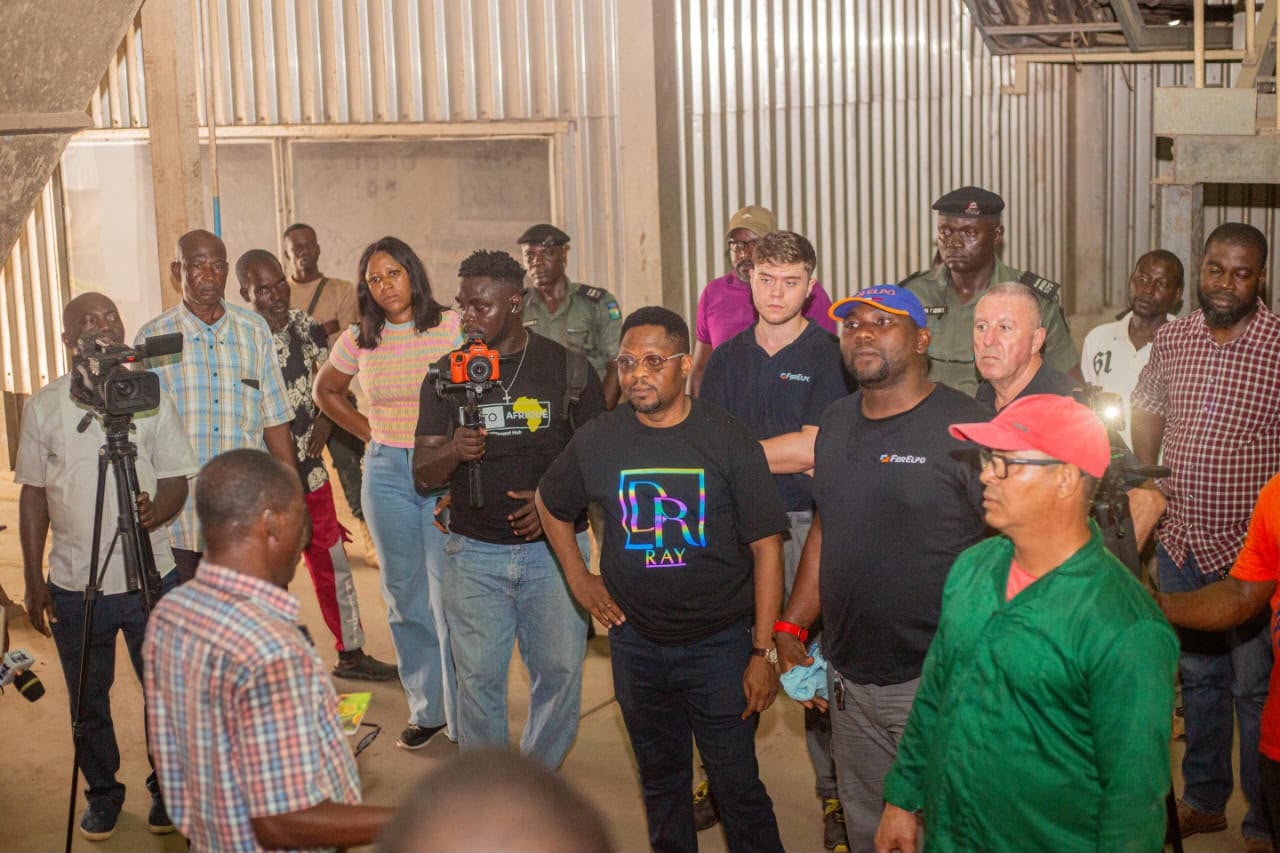
…targets test run in 35 days
By Peter Duru, Makurdi
Foreign expatriates and local technicians engaged by the Benue Investment and Property Company Limited (BIPC) have intensified rehabilitation work at the long abandoned Taraku Mills, with the company projecting a test run of the first production line within the next 30 to 35 days.
The technical team, led on an inspection by the Group Managing Director of BIPC, Dr. Raymond Asemakaha, alongside the company’s management, expressed confidence that the once-moribund agro-processing factory was steadily progressing towards full restoration.
Speaking during the inspection, Dr. Asemakaha said the deployment of expatriates and technical experts followed the commencement of maintenance work to ensure that critical components of the factory were professionally restored.
He explained that Taraku Mills, which had remained dormant since 2013, was being repositioned to become a major agro-industrial hub capable of processing soybeans, maize, beniseed and cassava.
According to him, the revitalised plant would produce edible oil, beer grits for the Food Basket Brewery, animal feed and other industrial raw materials, creating a reliable market for farmers and strengthening Benue’s agricultural value chain.
“We brought in expatriates and experienced technicians to handle the critical stages of the rehabilitation. Our goal is to ensure the plant returns to full production and contributes meaningfully to the state’s economy,” Dr. Asemakaha said.
He appealed to farmers across Benue State to increase soybean cultivation in anticipation of the factory’s reopening, assuring them that the mill would require substantial quantities of agricultural produce as raw materials.
The BIPC Managing Director noted that “the revival of Taraku Mills is in line with Governor Hyacinth Iormem Alia’s commitment to resuscitating moribund state-owned industries, creating employment opportunities and stimulating economic growth.”
Speaking on behalf of the expatriates and technicians, Adilson Neres Da Silva and Henry Boager said their assessment showed that despite being inactive for more than a decade, most of the factory’s equipment remains in good condition.
“We are optimistic because the major components of the plant are intact. We are targeting a test run of the first production line within the next 30 to 35 days. The equipment, programmable logic systems, power plant, water plant and other critical components needed to reactivate the factory are all in good condition,” they said.
Also speaking, the District Head of Mbaweghgba, Chief John Igbabul, lauded Governor Alia for initiating the rehabilitation of the factory, describing the project as a significant step towards reviving economic activities in the area.
Chief Igbabul expressed optimism that the return of Taraku Mills to production would generate employment, expand business opportunities and improve the livelihoods of residents in the host community.