
The Beatles’ biggest turning points come alive in two new books
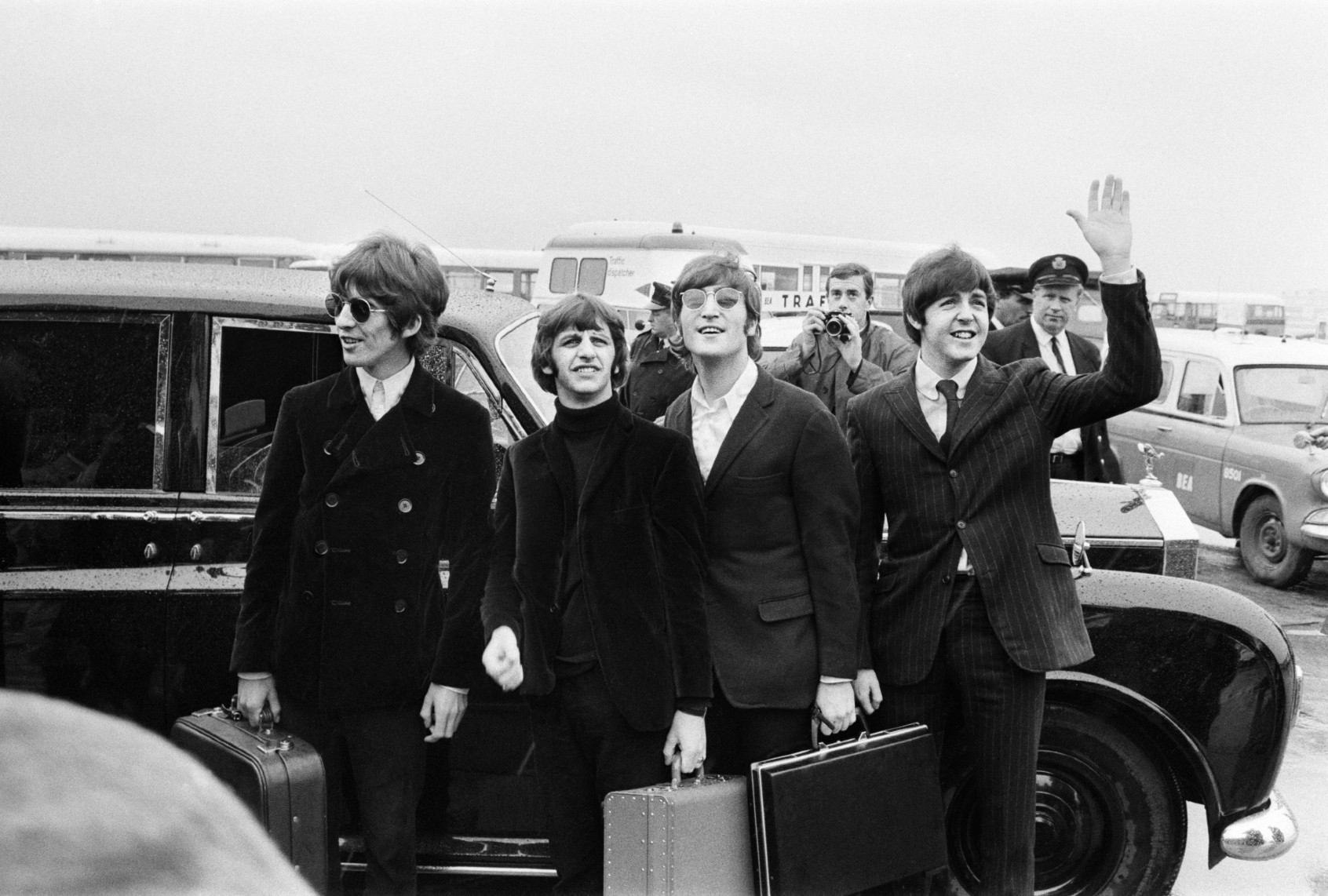
During a career that was chock-full of momentous events, The Beatles enjoyed plenty of turning points that contributed to their unparalleled achievements. And few loom larger than the release of “A Hard Day’s Night” (1964), their feature film debut, and their August 29, 1966, performance at San Francisco’s Candlestick Park. Both are subjects of terrific new books about the band.
Samira Ahmed’s superb book about the making and legacy of “A Hard Day’s Night” should send music (and film) lovers to their favorite streamer to revisit the movie. Under Richard Lester’s direction, “A Hard Day’s Night” not only showcased the group’s media-friendly personalities, but ensured that Beatlemania was portable, that you didn’t have to live in a big city for the Fab Four to come to your town.
As Ahmed demonstrates, the film’s documentary style both reimagined the jukebox musical and captured the frenzy of mid-1960s filmmaking. In its finest moments, Ahmed’s book takes readers back to The Beatles’ heyday, when rock ‘n’ roll was still relatively new, and the band was only just getting started in terms of the musical artistry to come. At the same time, she deftly addresses the era’s shifting sexual politics and role of women in The Beatles’ story.
Which brings us to Candlestick Park, the O.K. Corral when it comes to the band’s touring days. On that fateful August night, The Beatles brought their miserable final tour to an end, a North American trek that John Lennon dubbed the “Jesus Christ Tour” for its association with the fallout over his “Beatles are bigger than Jesus” remark that had been republished in Datebook.
Want more from culture than just the latest trend? The Swell highlights art made to last.
Sign up here
There were 10,000 empty seats that evening, with the band performing for some 25,000 fans who were entirely unaware that they were witnessing The Beatles’ last hurrah before a paying audience. For the group, touring had become a godawful experience. That night, they were escorted onto the baseball diamond in an armored car with a security detail of some 200 police officers in tow. The stage itself was five feet tall, with a six-foot-high wire fence around the perimeter as an extra precautionary measure. After a 33-minute set that concluded with “Long Tall Sally,” the boys made their exit. After some 1,400 concerts, their lives as working rock ‘n’ rollers were suddenly over.
The late photographer Jim Marshall was on hand that evening, capturing the spirit, such as it was, of a band on the precipice of something even greater than anyone could have imagined. Turning their backs on the road paved the way for a series of masterworks in “Sgt. Pepper’s Lonely Hearts Club Band” (1967), “The White Album” (1968), and “Abbey Road” (1969), their magnificent swan song.
Compiled by Amelia Davis, Marshall’s book, entitled “The Beatles by Jim Marshall: Live at Candlestick Park 1966,” assembles more than 150 photographs, the best of which find The Beatles hanging out in the Giants’ locker room, where they pondered an unknown future. Indeed, the idea of a rock band no longer performing live simply made no sense in that era. The uncertainty wasn’t lost on George Harrison. As they jetted away from San Francisco International Airport later that night, he said, “I guess I’m not a Beatle anymore.”
As with Ahmed’s book, Marshall transports readers to another time, when the future was brimming with promise and possibility. And The Beatles, as history well knows, were only just getting started.
Read more
about this topic