
Drug addiction: Youth hit hard as 14.3m Nigerians consumed ilicit drugs in one year
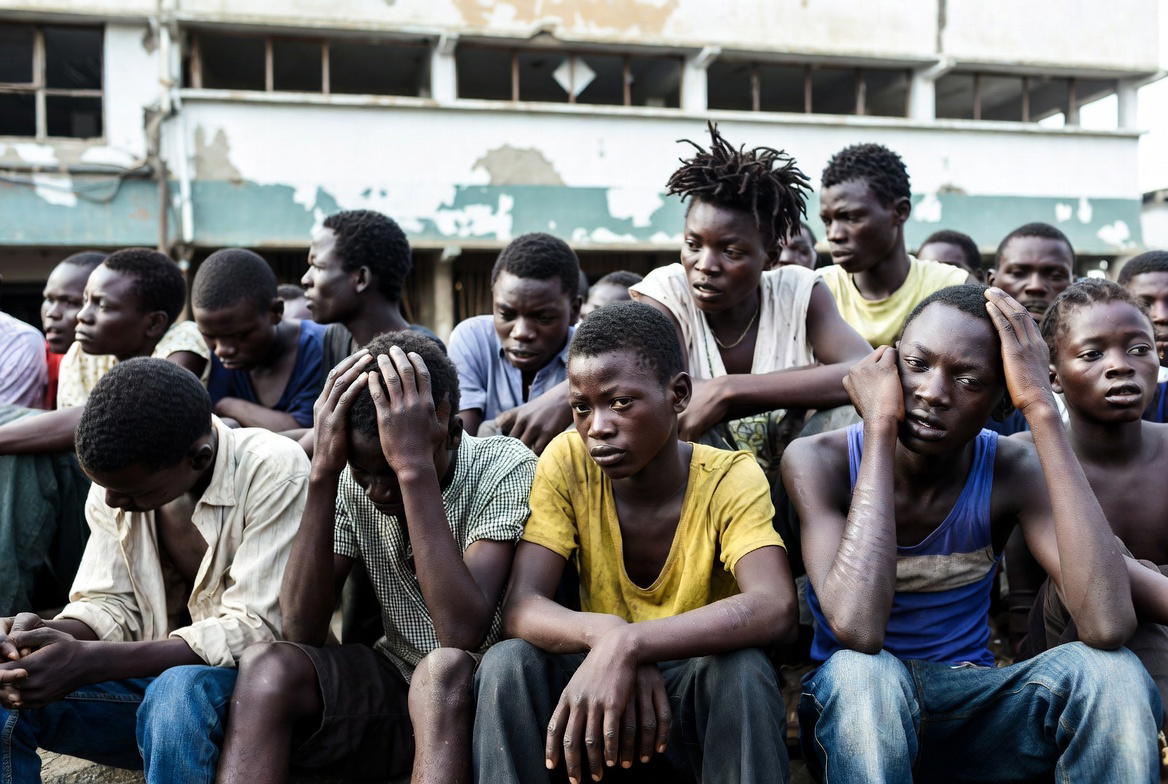
•One in five youths affected
•Survivours regret, families lament
•Addiction spreading like wildfire — Dr Ayankola
By Chioma Obinna
Illicit drug use among Nigerians has reached an emergency level with millions, especially young people caught in cycles of substance abuse and addiction and experts have warned that without decisive action, Nigeria risks losing an entire generation to addiction.
Some survivours of drug addiction in their testimonies have also regretted getting involved in hard drugs while the affected parents lamented what it cost them having a drug addict as children.
The last National Drug Use Survey of the National Drug Law Enforcement Agency showed that 14.3 million Nigerians aged 15 to 64 had used illicit substances excluding alcohol and tobacco within a one-year period, and that the crisis is most severe among the youth population.
Director-General of the National Agency for Food and Drug Administration and Control, NAFDAC,
Prof Christianah Adeyeye, warned that Nigeria’s drug crisis has escalated into a major public health and national security threat, stressing that the scale of abuse is far beyond isolated cases.
Similarly, Director of Media and Advocacy of the National Drug Law Enforcement Agency, NDLEA, Mr Femi Babafemi, said the scale and speed of the problem demand urgent, nationwide action as the situation can currently be classified as indeed a national emergency.
Thousands of vulnerable Nigerian youths scattered all over Nigeria, have now found solace in hard drugs. For ¦ 500 or ¦ 1,000, which is less than the price of a loaf of bread, they buy themselves what they call relief. A bottle of coke or energy drinks and a pill, doctors say, is often the beginning of addiction. Across Nigeria, cheap and easily available drugs such as tramadol, codeine syrup, and cannabis are finding their way into the hands of teenagers, students, and unemployed youths.
More concerning, however, is that these young Nigerians are now discovering local and improvised ways to get high. What was once a hidden problem is now visible on street corners, in university hostels, and in urban and rural neighbourhoods.
The appeal is simple: affordable, accessible, and fast-acting drugs offer a fleeting sense of energy, confidence, or escape from stress. Yet that temporary relief can quickly turn into long-term dependence, reshaping behaviour and life trajectories.
According to the National Drug Law Enforcement Agency (NDLEA), between January and February 2026 alone, 3,913 arrests, 581 convictions, and over 113,000 kilograms of seizures were recorded. Despite seizures, arrests, and public awareness campaigns, the supply chain remains difficult to control, with substances flowing from legitimate pharmaceutical sources into informal markets and street-level distribution. For many young Nigerians, the path to addiction begins with something dangerously affordable, a cheap high.
Changing face of addiction
For less than the price of a meal, a youth can buy a pill that promises energy, confidence or a temporary escape. Tramadol tablets, often sold in strips of 10–20, go for as little as ¦ 500, while bottles of flavoured codeine syrup cost under ¦ 1,000. Street vendors, informal kiosks, and even some pharmacies make these drugs easy to access, often without prescriptions.
Across Nigeria, the ways young people get high are changing, shaped by cost, availability, peer influence, and environment. In Lagos and Port Harcourt, tramadol, codeine syrup and cannabis dominate. Imported and synthetic strains, like “Colorado,” and locally mixed blends with chemicals are increasingly common. Shisha lounges, nightclubs, and campus hotspots have become social hubs for smoking cannabis and experimenting with flavoured tobacco mixtures.
In Abuja, Rohypnol and diazepam are misused while alcohol-drug mixes, energy drinks with codeine or tramadol are becoming popular. Homemade concoctions, like “monkey tail,” a local gin mixed with cannabis, circulate in urban areas.
Rural communities face a different challenge. Petrol fumes, glue, paint thinners and vulcanizing solution are widely abused. Some youths mix candy with soft drinks, smoke plant leaves like pawpaw, or combine multiple substances for stronger effects. These improvised methods reflect curiosity, boredom and limited resources.
Despite regional differences, prevalence rates among urban and rural youth are similar. The crisis is fueled by affordability, easy access, and social normalisation; some substances are cheaper than soft drinks. Drug use among young Nigerians is no longer only about hard drugs. It has become a culture of coping, experimentation, and survival, where anything from cough syrup in Lagos to petrol fumes in rural communities can provide a fleeting escape.
Slipping into addiction: Abiodun’s experience
For Abiodun, it started during exam season. The former university student began taking tramadol to stay awake and focus. “At first, it was just to stay awake and focus. Then I started taking more, skipping classes, avoiding my parents. It got out of control fast.”
His parents noticed changes but didn’t know how to respond. “My parents tried talking to me; I just shut them out. By the time I realised I was addicted, it was already too late,” he said. Psychiatrists treating Abiodun say his pattern is common. “Young people often start with one pill, thinking it’s harmless. Within weeks or months, they develop tolerance, dependency, and mental health issues like anxiety, depression, or psychosis.”
Families in crisis: Chinedu’s family cries out
Like Abiodun, Chinedu is homeless today. He began with codeine but graduated to all manner of drugs, including local concoctions. Efforts by relatives to stop him proved abortive.
His father, Mr. Livinus, narrated the ugly transformation of his son. “He started coming home late, withdrawing from the family. Then things escalated. Money began to disappear. His behaviour became erratic, aggressive one moment, withdrawn the next. It felt like we were watching a completely different person replace the child we knew.”
Attempts to seek professional help were complicated by cost, distance, and limited availability of treatment centres. “There were times he promised to change,” his father added. “But he kept relapsing. Families like ours face stigma, limited support, and financial strain. Parents need to stay observant, communicate openly with their children, and seek help early.”
From darkness to light: Abdulmalik Yahaya speaks
For another survivor, Abdulmalik Yahaya, addiction began quietly, disguised as relief. He first encountered codeine at just 15 years old, struggling with a fractured home. “Family dynamics started taking their toll. I felt I had no one to talk to. Watching it unfold before my eyes broke my heart,” he said.
A friend introduced him to codeine: “His response was simple: ‘Have this.’ I didn’t know that moment would change my life.” What began as an attempt to escape a harsh reality slowly became a deepening spiral. At first, it was codeine and Rohypnol, then shisha, cigarettes, and cannabis. Dependence set in, and he built a network of friends and dealers to sustain it.
Abdulmalik started skipping classes, becoming the “black sheep” of his family, losing self-esteem, and distancing from friends. “My dad was furious, stopped talking to me, but he always wanted me to understand I was capable of being loved. My mom didn’t live to see my sobriety, but she prayed and motivated me to quit.”
According to him, the turning point came after an intense cannabis episode that led to hallucinations. His family intervened, taking him to a rehabilitation centre. Recovery was challenging.
“I had to say goodbye to so many people I called friends. Even after three years of sobriety, I still feel different, but positive self-talk and awareness of the damage drugs did are enough motivation.”
Writing became his lifeline. “I documented my reflections, regrets, determination, and despair. This became a testimony, then a manuscript, now a published collection of poems. Sharing my story is a huge part of my support system.”
Today, Abdulmalik encourages others: “Don’t do drugs. For those already affected, addiction may bury your purpose for a while, but it can never erase it. There is always a way back from the ashes. If I could do it, anyone can.”
A nurse’s battle
Ekanem-Uweme’s journey began with medical need. Misdiagnosed initially with an incomplete abortion, she later discovered a ruptured tubal pregnancy requiring emergency surgery. Amid physical and emotional pain, a colleague suggested extra Pentazocine for relief. Occasional use slowly became dependent.
“At first, I could go for days without it, but over time, the use became more frequent. After an accident, addiction truly began,” she said. Working in a hospital, she sought help but faced rejection: “I was asked to leave my job and handle the situation alone. I felt ashamed and broken.”
Her life spiralled—severe injection wounds, near overdose, and despair. On December 31, 2018, she realised: “Nothing gained, everything lost. That was the moment I chose recovery.” Recovery was neither instant nor easy. She battled sleepless nights, stayed committed, and rebuilt her life. She completed her university education, supports others struggling with addiction, and speaks publicly about recovery. “Anyone willing can recover,” she said. “My mission is to turn pain into purpose. If my story can help even one person, it is worth sharing.”
Drug abuse crisis
Unlike Abiodun, Chinedu, Abdulmalik and Aggie Ekanem-Uwememay who have been lucky to overcome addiction, millions of Nigerians have been lost to addictions. According to the last National Drug Use Survey, 14.3 million Nigerians aged 15 to 64 had used illicit substances excluding alcohol and tobacco within a one-year period, representing a prevalence rate of 14.4 percent, nearly three times the global average.
Also, in some private and public hospitals across the country, like the Neuro-Psychiatric Hospital, Aro Abeokuta, roughly 75 percent of patients have drug-related problems. However, the story of drug experimentation extends beyond pharmaceuticals and cannabis. There are alcohol mixtures and homemade concoctions, like “monkey tail” among others which are improvisations born of curiosity, desperation, and limited options and experts say this reflects a troubling trend.
According to a Senior Consultant Addiction Psychiatrist at Neuro-Psychiatric Hospital, Aro, Dr. Ayantunde Ayankola, drug abuse is when substances alter mood, thinking or behaviour to the point that daily life, work or social interactions are affected. He highlighted cannabis as a leading contributor to drug-induced mental health issues, including psychosis, depression, and anxiety.
Ayankola, argued that alcohol and tobacco cause physical health problems, while opioids like tramadol can trigger seizures or even suicidal tendencies. He explained that addiction is progressive and destructive. “Character, reputation, school performance, and work decline. Families break down, communities suffer, security becomes a concern,” he said.
He declared that the country is facing a growing drug abuse epidemic that is devastating the nation’s youth, threatening families, and straining communities. “Some patients develop psychosis, seeing things others cannot see or holding beliefs that are not in touch with reality. Other symptoms may resemble depression or anxiety. Alcohol and tobacco cause serious physical health problems. Globally, tobacco alone contributes to cancer, lung disease and hypertension. Drugs like Tramadol can trigger seizures, withdrawal, or even suicide,” he said.
Disclosing that early exposure increases risk, particularly among youth aged 18–35, who form the bulk of patients in his hospital, he said short-term consequences include accidents and risky behavior while long-term use rewires the brain, trapping youth in addiction.
The youth are particularly at risk. The 2017 Nigerian Drug Survey revealed that those aged 18 to 35 are the highest users of drugs, with Southwest Nigeria reporting some of the largest numbers. “In our hospital, roughly 75 percent of patients present with drug-related problems, either dependence or co-occurring mental health conditions. One in four users are female, but only one in 20 seek treatment,” Ayankola noted.
He further explained that early exposure increases the likelihood of addiction and mental health complications. “Young people may develop psychosis, mood disorders, or risky behaviours. Some may exaggerate self-esteem or take dangerous risks. This is why so many resources target youth prevention,” he said.
Families play a key role in prevention. “Parents need to notice unusual behaviour, declining grades, or withdrawal from social life. Early intervention is critical. Schools and communities must educate youth before problems escalate.”
Recovery is possible but challenging. “Stopping drugs is only one aspect. True recovery means regaining life and functioning. Addiction is treatable but not curable, like hypertension. With family and community support, people can recover and live meaningful lives.”
Ayankola warned of inadequate rehabilitation infrastructure. “With over 14 million affected, comprehensive facilities are few. Rehabilitation, follow-up, prevention, and multisectoral collaboration are essential. Policies exist but are poorly implemented due to low political will and limited funding.
“Drug abuse is a societal threat. It requires government commitment, family vigilance, and community engagement. Prevention, early intervention, and treatment programs are key. If we act decisively, we can save lives, protect families, and secure the future of our youth.”
Nigeria facing hidden epidemic – Dr. Martin Awogie
In a chat with Saturday Vanguard, Addictologist, Dr. Martin Awogie warned that drug use may now affect as many as one in four Nigerians. “The last comprehensive survey in 2018 found one in seven used drugs. Recent community-level studies suggest this figure may now be significantly higher with one in five or even one in four,” he said.
Awogie described a growing culture of locally made and improvised substances, often unpredictable in composition. “Users often do not know what they are consuming, which increases health risks and complicates treatment. Young people experiment with anything that gives a high, combining chemicals, herbal mixtures, and pharmaceuticals.”
These substances are cheap, widely available, and often distributed with marketing strategies, including free samples. While drug use crosses social classes, unemployment, economic hardship, and untreated mental health conditions are key drivers. Graduates unable to find work may drift into environments where substance use is common.
Awogie stressed that awareness alone is insufficient. “Real progress requires family and community support, school-based guidance, and mental health interventions. Public campaigns alone risk becoming like sweeping dirt under the carpet.”
Out of millions of users, over 2 million suffer from substance use disorders requiring care. Existing rehabilitation facilities can accommodate less than 10 percent of those in need. The country also faces a shortage of trained addiction specialists.
He lamented that government commitment is low, and NGOs, while impactful, rely heavily on international donors. “All major programmes executed by GISA, including family and school-based interventions in Lagos and Ogun, were funded entirely by international donors. No single support came from within Nigeria. The scale of the problem is immense.”
Awogie called for a whole-of-society response. “This goes beyond the government. Families, schools, religious institutions, and communities must all act. We need to address the root causes, prevent early exposure, and support treatment and recovery.”
NDLEA reacts
Director of Media and Advocacy of the National Drug Law Enforcement Agency, NDLEA, Mr Femi Babafemi, said cannabis remains the most seized drug, but synthetic opioids, tramadol, codeine syrup, and synthetic cannabis are rising sharply. These are often diverted from pharmaceutical supply chains or smuggled. Traffickers now use unconventional routes, bush paths, and deceptive concealment in vehicles and even baby items. “They now use bush paths and unconventional routes. We have had to lay ambushes based on intelligence to intercept them.” Smugglers are also deploying increasingly deceptive concealment methods. “We have seen drugs hidden in vehicle compartments, tires, and even in baby items like toys and diapers,” Babafemi revealed.
“Among youths, the prevalence is even more staggering, the majority are within the productive years, pointing to those aged 25 to 39. He warned that the growing number of young users threatens not only public health but also the country’s workforce, productivity, and long-term development.
These substances, he explained, are often diverted from legitimate pharmaceutical supply chains or smuggled into the country through informal routes. Despite tighter surveillance at airports, seaports, and official land borders, traffickers are adapting quickly.
Findings have shown that Nigeria’s drug problem is fueled by a complex international network. He said cocaine shipments are frequently traced to South America, particularly Brazil, while synthetic opioids are often linked to India and methamphetamine to China.
Babafemi disclosed that recent enforcement actions have targeted international trafficking networks, including merchant vessels. “We have secured convictions and heavy fines against some vessels involved in cocaine trafficking and penalties running into millions of dollars”, he said.
However, once inside the country, drugs are distributed through local hubs, particularly, open drug markets. He identified Idumota and Ebute Ero markets as key centres of illegal distribution, where recent operations uncovered large quantities of diverted pharmaceuticals.
“Open drug markets are primary culprits for mass illegal distribution,” he said. While many licensed pharmacies comply with regulations, informal medicine vendors, especially, in rural areas, remain a significant concern.
He also raised alarm over the targeting of schools and universities by drug networks. “We have intercepted drug cookies, brownies and candies specifically packaged to appeal to students,” Babafemi said.
In response to the drug crisis, he said the Federal Government has adopted a drug integrity test policy for students and prospective public sector employees, aimed at early detection and deterrence.
Over the past five years, the NDLEA has made 77,859 arrests, secured 40,122 convictions, and seized nearly 15 million kilograms of illicit substances. More than 2,000 hectares of cannabis farms have also been destroyed. In the first two months of this year alone, 3,913 arrests, 581 convictions, and over 113,000 kilograms of seizures were recorded.
Beyond enforcement, the agency operates 30 treatment and counselling centres nationwide, with nearly 49,000 people already supported. To address stigma and access barriers, a 24-hour toll-free helpline staffed by mental health professionals provides confidential assistance in multiple Nigerian languages.
Despite intensified crackdowns, Babafemi emphasized that enforcement alone cannot solve the crisis.
“The moment the foundation is broken, children become vulnerable. We need parents to go back to intentional parenting.” He stressed the need for a “whole-of-society approach,” involving families, schools, religious institutions, and communities.
With proposed amendments to drug laws expected to impose stricter penalties including jail terms of up to 25 years for traffickers, the NDLEA scribe said the fight is entering a decisive phase. “We are on the right and strong path,” Babafemi said. “But everyone has a role to play.”
Weak drug distribution system fueling abuse crisis- NAFDAC DG
According to the Director-General of the National Agency for Food and Drug Administration and Control, NAFDAC, Prof Christianah Adeyeye,”This is not a fringe issue. It is mass exposure,” she said, citing national data showing that millions of Nigerians are already using opioids such as tramadol and codeine for non-medical purposes. She explained that while Nigeria operates a structured regulatory framework for controlled medicines, the real danger lies outside formal systems.
“Our control model is strong on paper and increasingly digital, but the greatest vulnerabilities remain in informal distribution networks, post-import diversion, smuggling, and weak last-mile control,” she stated.
Adeyeye highlighted the scale of the illicit drug economy, describing recent enforcement operations as unprecedented. “The open drug market crackdown in Onitsha, Aba, and Lagos was the largest in our history, with seizures valued at about ¦ 1 trillion,” she revealed, noting that thousands of shops were sealed to dismantle major distribution hubs.
She raised alarm over the structure of Nigeria’s drug supply chain, pointing to the dominance of unregulated markets. “When three open markets account for over 80 per cent of medicine distribution, you immediately see the structural problem. It creates an environment where legitimate products mix easily with fake, smuggled, expired, or diverted drugs,” she said.
Adeyeye also underscored the growing role of technology in tightening control over narcotics, noting that the agency is moving toward full supply chain visibility. “Narcotics and controlled medicines are especially prone to diversion, which is why we are deploying serialization and track-and-trace systems to monitor them from manufacturer to patient,” she said. “With GS1-based traceability, every product can be verified, and its movement tracked across the supply chain.”
She cautioned that even the most advanced systems would fall short without sustained enforcement and inter-agency collaboration. “The opioid problem is not just a medicine regulation issue; it is a supply chain crime issue,” Adeyeye said. “We are working closely with NDLEA, Customs, and other security agencies to disrupt illegal flows and strengthen border controls.”
She stressed that enforcement alone cannot resolve the crisis without deeper systemic changes. “Without tougher penalties, full traceability, formalised distribution, and stronger youth prevention, this problem will keep regenerating,”she warned. She called for stricter sanctions and expanded monitoring systems to curb drug abuse nationwide.
Blame systemic gaps: Pharm Jonah Okotie
On his part, a seasoned community pharmacist, Pharm Jonah Okotie highlighted poor implementation of prescription policy and unregulated access. “While registered facilities struggle to maintain stock, illegal outlets, hawkers, and bus vendors seem to have constant supplies. People come with sachets, and you wonder where they got it from,” he said.
Routine inspections help, but minor infractions can damage reputations and economic viability. “The genuine need for medicines remains unaddressed by the government and NAFDAC. There should be a special distribution mechanism to ensure access to essential medicines. This is a matter of health, life, and the economy of the nation,” he said.
Okotie emphasised the human cost: “Unregulated drug sales contribute to mortality, morbidity, and lost productivity. Pharmacy is a vital arm of medicine, crucial for patient safety and treatment outcomes, yet it lacks recognition and support.”
From Lagos streets to rural towns nationwide, cheap drugs are reshaping Nigeria’s youth, families, and communities. Survivors like Abdulmalik and Aggie Ekanem-Uwem demonstrate the possibility of recovery, yet the statistics, expert warnings, and family tragedies reveal a crisis demanding urgent attention.
Experts are emphasising a multi-pronged solution, prevention, family engagement, education, enforcement, treatment, and mental health support, adding that without decisive action, Nigeria risks losing an entire generation to addiction.
According to Awogie, “This is our problem, and we must address it.” From hidden corners to public streets, the epidemic touches every life. Awareness, compassion, and collective responsibility can turn despair into hope and offer young Nigerians a future beyond cheap highs and broken lives.
Nigeria faces a hidden epidemic, where cheap highs and improvised substances are reshaping the lives of its youth. Families are torn apart, schools and communities strained, and millions of young people are caught in cycles of addiction.
Survivors’ stories such as those told by Abdulmalik Yahaya and Aggie Ekanem-Uwem show that recovery is possible, but only when support, awareness, and accessible treatment are prioritised.