
ILERA EKO: Lagos audits hospitals in preparation for mandatory health insurance rollout
By Sola Ogundipe
In preparation for the enforcement of the Executive Order on the Mandatory Social Health Insurance in Lagos hospitals, the Lagos State Health Management Agency (LASHMA) has commenced a statewide facilities readiness assessment across all hospitals under the ILERA EKO scheme.
The assessment, which began with public health institutions including General Hospitals and Primary Health Centres, as well as high-traffic private hospitals, is designed to evaluate how prepared facilities are to implement and sustain the compulsory health insurance policy across the state.
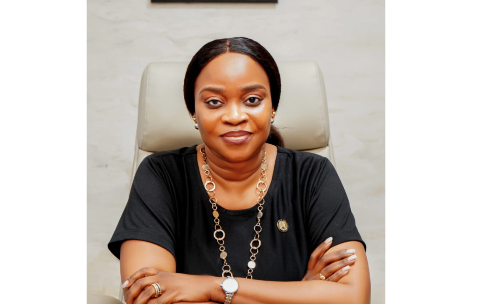
Disclosing this on Friday in Alausa, Ikeja, the Permanent Secretary of LASHMA, Dr. Emmanuella Zamba, described the exercise as a critical baseline review that will drive stricter enforcement and improved service delivery under the ILERA EKO Health Insurance Plan.
Zamba, who said the compliance check will be extended to other private facilities under the Scheme, explained that the exercise will also extend to other private hospitals participating in the scheme, with a strong focus on ensuring that uninsured patients can be seamlessly registered upon visiting health facilities.
Special attention, she noted, is being given to identifying and enrolling vulnerable residents, guaranteeing them access to healthcare services comparable to premium-paying enrollees.
‘‘This compliance assessment is a vital step towards ensuring that healthcare facilities are fully ready for the Executive Order implementation and enforcement, evaluate compliance across key indicators, identify gaps and areas for improvement, enforce standards and operational guidelines of ILERA EKO Health Insurance Plan..
“Hospitals in the state are now required to meet a range of compliance standards, including appointing dedicated officers for ILERA EKO and vulnerable patient support, deploying screening tools, establishing complaint resolution systems, and ensuring visible signage and digital access points for enrollees even as facilities must also maintain active staff rosters to provide uninterrupted service.”
Further, Zamba explained that the initiative aligns with the Lagos State Government’s broader goal of achieving Universal Health Coverage (UHC), where all residents can access the needed healthcare services without any stress or financial hardship.
The Permanent Secretary reaffirmed the agency’s commitment to safeguarding quality, accessibility and efficiency in healthcare service delivery, adding that continuous monitoring remains key to sustaining the gains recorded under the Scheme.
“Residents who are yet to enroll on ILERA EKO Health Insurance Plan are urged to take advantage of the programme, which offers comprehensive and affordable healthcare services across the State. ILERA EKO covers over 75 percent of what Lagos residents visit the hospitals for.
“LASHMA is engaging with the Association of Nigerian Private Medical Practitioners (ANPMP), Lagos State Chapter, to facilitate the onboarding of more non-empaneled private facilities in the State, on the Scheme especially as LASHMA intensifies the enforcement of the Executive Order.”
The Medical Directors of General Hospitals in Agbowa and Imota, Dr. Kayode Grillo and Dr. Adenike Omosun, respectively commended Governor Babajide Sanwo-Olu for pioneering the Executive Order, describing it as a transformative policy that has significantly improved grassroots access to healthcare, saying the ongoing assessment would further raise service standards across ILERA EKO facilities and pledged full compliance with the new directives.
On his part, the Medical Director, Haruna Ogun Memorial Specialist Hospital, Ikorodu, Prof. Yomi Ogun, lauded LASHMA’s commitment to equitable healthcare delivery, assuring continued cooperation with the state government to enhance services for enrollees
It will be recalled that LASHMA has 765 providers under ILERA EKO which comprise of the Federal Medical Centers in the state, Lagos State University Teaching Hospital (LASUTH), General Hospitals, Primary Health Centres, for the Basic Health Care Provision Fund (BHCPF), private hospitals and nursing homes.
Others are eye hospitals, dental care hospitals, diagnostic centers and community pharmacies.