Congress may be about to create the “bad internet”
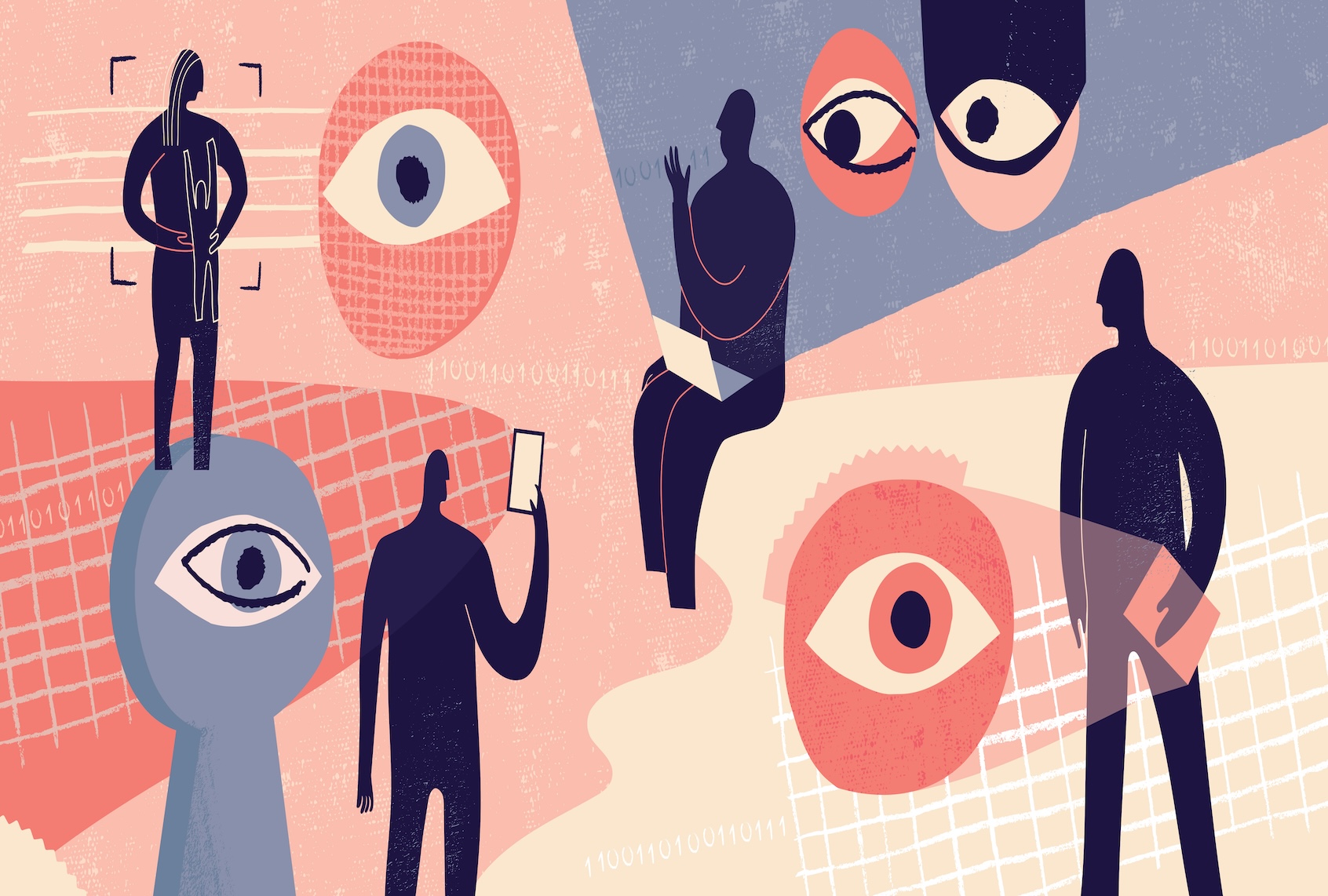
After helping elect President Donald Trump, major tech companies could be in for yet another windfall as Congress examines a suite of bills opponents have dubbed the “Bad Internet Bills.”
The bills percolating in Congress range in their purported purpose; some are aimed at cracking down on drug smuggling, others are aimed at limiting what minors see online, but each one has the potential to break down what privacy protections exist for people online.
For instance, the SCREEN Act stands to instate an age verification for any website that Congress decides is “harmful to minors” and the Cooper Davis Act would require any electronic communication service provider to report knowledge of drug-related offenses to the Drug Enforcement Administration, effectively doing away with any service that provides end-to-end encryption.
There are also familiar provisions that are up for reconsideration this year, like the Kids Online Safety Act (KOSA), which would require platforms to identify users who are minors and censor a range of content and information as decided by state attorneys general. Changes to Section 230 of the Communications Decency Act could make online platforms legally responsible for any content posted to them, effectively destroying smaller platforms and ensuring major players in the space do not face new competition.
India McKinney, the director of federal affairs at the Electronic Frontier Foundation, a civil liberties advocacy organization, told Salon that, in her view, Congress is basically going about making regulatory changes to the internet backwards, because it seems more politically expedient.
“We are in a moment where people are actually at risk of being surveilled by the government, targeted and punished for fully protected speech.”
“I think Congress thinks that kids’ privacy is easier because it sounds better politically, and that means they are completely discounting the challenges around figuring out who is a child and who is an adult, because that comes with its entire bucket of privacy implications,” McKinney said. “If one of these bills passes, it’s not like it’s only going to affect parents and children; it’s going to affect all users, because if you want to access anything remotely controversial on the internet, you’re going to have to prove who you are.”
In her view, KOSA is the bill most likely to pass Congress, and that’s because the bill, albeit a slightly different version, was unanimously advanced from the House in 2024. While McKinney acknowledges that keeping kids safe online is popular — and something both she and the EFF support — there are practical boundaries that neither lawmakers nor the groups pushing the bills appear to have considered.
One of those concerns is simply how people could prove their age online. Some states have implemented identity verification for accessing adult content, with systems typically requiring uploading identification, such as a driver’s license, but the sort of restrictions being proposed here are much more broad.
McKinney raised questions about what adults who might not have a driver’s license or other photo ID should do, or what seniors who are bad with technology should do. Proposals like these would essentially end anonymous browsing online, and it wouldn’t just end it for minors.
There are also legal issues of the bill’s constitutionality. State attorneys general would become de facto internet censors under this bill, and that censorship would extend to speech that even minors have a constitutional right to see.
Lee Rowland, the executive director of the National Coalition Against Censorship, put the push to end anonymous internet usage, break down encryption and censor content in the context of the larger goals of the Trump administration.
“We are currently in an environment where the Trump administration has signed a number of executive orders and issued agency regulations that, for example, might label someone a domestic terrorist if they have ‘anti-American, anti-Christian or anti-capitalist’ viewpoints,” Roland said. “We are in a moment where people are actually at risk of being surveilled by the government, targeted and punished for fully protected speech.”
Recent state book bans have given a look into the sort of content attorneys general could target. In Florida, for instance, one county pulled “Schindler’s List” and numerous books about Anne Frank from library shelves as part of its book-banning program. Censorship could also stand to limit information access that might inform minors about LGBTQ issues or eating disorders, for example.
Jenna Leventoff, senior policy counsel at the ACLU, focused on another impact of some of these bills in an interview with Salon: the destruction of services that offer end-to-end encryption.
End-to-end encryption essentially means that no one except the users who send or receive a given communication are privy to the contents of that communication, including the government and the platform. This privacy provision has been widely adopted by apps like WhatsApp, Signal, Telegram and iMessage.
Start your day with essential news from Salon.
Sign up for our free morning newsletter, Crash Course.
The proposed STOP CSAM Act would effectively end this privacy provision in the name of preventing the hosting or distribution of child sexual abuse material. While Leventoff said that preventing the distribution of such material is a noble goal, she said the current proposal would be like if law enforcement opened every single letter or parcel sent in the mail in the hopes of catching CSAM.
“There’s this myth that you can just selectively break encryption, but that’s not the case. Either you have encryption or you don’t have encryption,” Leventoff said. “It’s basically incentivizing encrypted apps to break encryption and then start searching to see if there’s CSAM. And most of the time, if there is CSAM, they would catch it, but most of the time, they would just be reading your random conversation. It just opens us up to increased surveillance.”
Read more
about mass surveillance