
The Netflix-ification of Hollywood — What’s the worst that could happen?
Recently, someone offhandedly shared her weekend plan to binge “The Chair Company” on Netflix. It’s a terrific show, I told her, before gently making her aware that the show is streaming on HBO Max, not Netflix. I offered that information with an apology, since nobody wants to come off as a know-it-all; however, matching shows with the right streaming service is part of a TV critic’s job these days.
Fortunately, my colleague wasn’t annoyed by my unsolicited correction. “It’s all Netflix to me,” she said.
If some consumers are reacting more nonchalantly to Netflix’s planned acquisition of Warner Bros. Discovery’s studio and streaming businesses than Hollywood’s creatives and media insiders, that conversation may explain why.
From the industry’s perspective, Netflix’s recently announced $82.7 billion cash-and-stock deal to acquire Warner Bros. Discovery’s studio and streaming service is a massive upheaval certain to result in job losses at every level.
Hollywood is still recovering from the pandemic, the dual guild strikes that brought the town to a standstill in 2023, the wildfires that tore through Los Angeles earlier this year and the Paramount Skydance merger. Multiplexes continue to struggle as audiences remain camped out in their living rooms and theater-to-streaming windows narrow.
Throw in Donald Trump’s hobby of strong-arming networks and studios to do his bidding, and all in all, it’s a frightening time to have a career tied to America’s dream factory.
“What terrifies me — and should terrify anyone who cares about a free society — is how this administration has used anticipated mergers as tools of political pressure and censorship,” Jane Fonda expressed in an open letter published by The Ankler. Later, she adds, “This is not how media companies behave in a healthy democracy. It’s what political leverage over media companies looks like, and it’s right out of the authoritarian playbook.”
Sen. Elizabeth Warren, D-Mass., also condemned Netflix’s proposed purchase, declaring on X that the merger would create “a massive media giant with control of close to half of the streaming market. It could force you into higher prices, fewer choices over what and how you watch, and may put American workers at risk.”
If Netflix is putting its substantial financial resources behind maintaining one of Hollywood’s most venerated legacy brands, how is that a bad thing?
Netflix’s WBD takeover bid has shaken top industry players to a degree that an anonymous group of “concerned feature film producers” emailed members of Congress expressing their concern that the streamer would destroy the theatrical marketplace, Variety reports.
All legitimate fears. But from a consumer perspective, if it’s all Netflix, like my friend casually suggests, then what would be so terrible about HBO’s icons like “The Wire,” “The Sopranos,” Game of Thrones” and the studio that brought us “Barbie” being housed under one big red tu-dum umbrella? And if Netflix is putting its substantial financial resources behind maintaining one of Hollywood’s most venerated legacy brands, how is that a bad thing?
It’s a lot to take in, and with Paramount Skydance escalating the tension by showing up with a hostile takeover bid on Monday, the only certainty is that no one knows how this movie ends. But I’m going to do my level best to break down what it could mean to the average viewer.
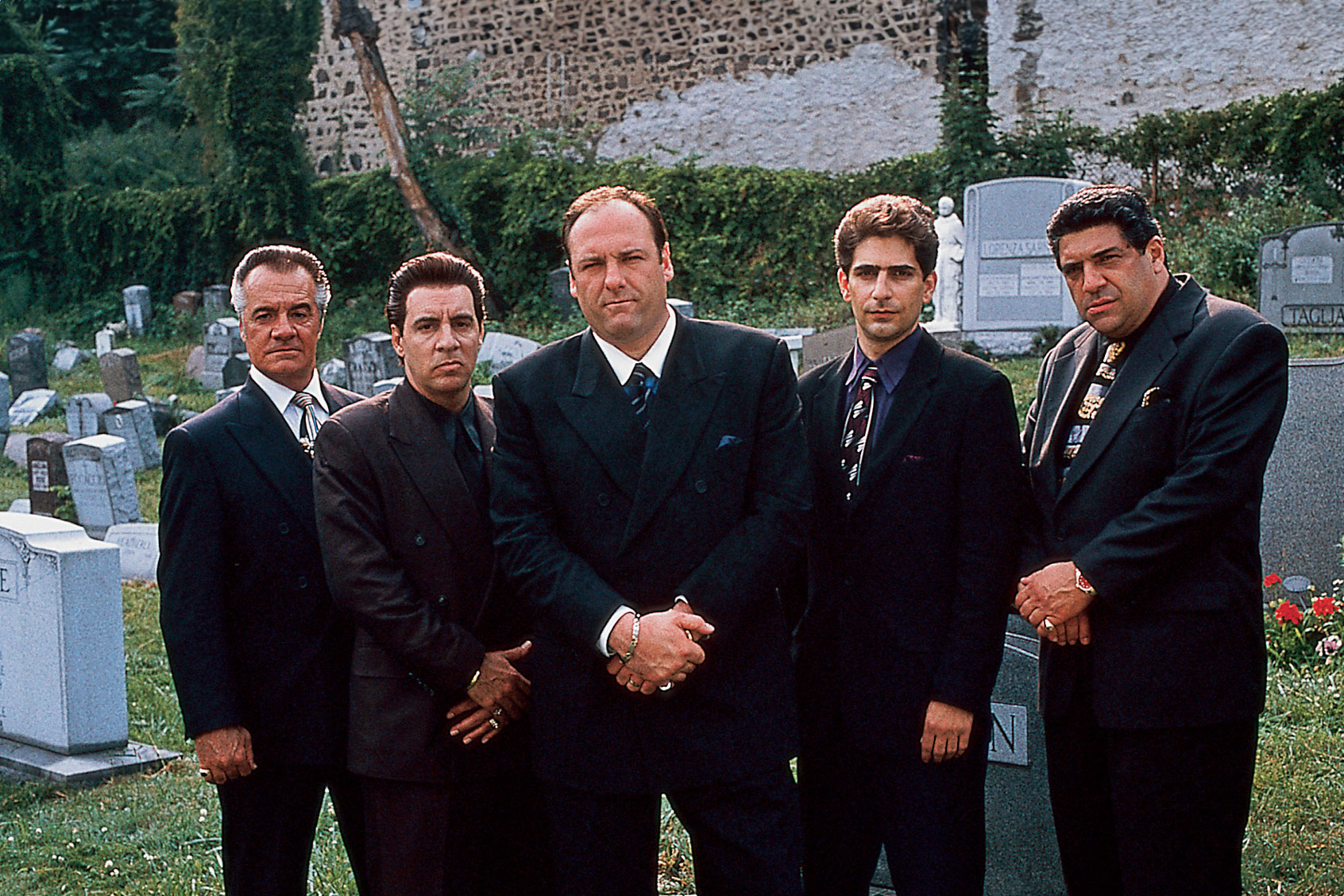
(Anthony Neste/Getty Images) Tony Sirico, Steven Van Zandt, James Gandolfini, Michael Imperioli & Vincent Pastore in a publicity still for TV series ‘The Sopranos’, circa 1999.
Previously on . . . the Warner Bros. Discovery drama
Although corporations devour each other all the time without the average person noticing the difference, one reason Netflix’s bid to purchase WBD is drawing more attention than usual is the distress produced by Warner Bros.’ recent merger with Discovery in 2022, yielding the Monstro Elisasue currently known as Warner Bros. Discovery.
Under its CEO, David Zaslav, the current chapter of the century-old story that began with Warner Bros.’ founding in 1923 has been just shy of disastrous from a PR point of view. Zaslav slashed the studio’s workforce and eliminated many TV titles and films to claim tax write-downs in the name of savings while still landing among America’s most overpaid executives.
Zaslav helmed such notable hits as hiring former CNN chief Chris Licht to oversee a short but hilariously disastrous tour with the cable news network. A highlight included the Hindenburg-level fiasco of a Trump town hall stacked with braying MAGA acolytes.
Then again, if Paramount Skydance CEO David Ellison, a Trump ally, succeeds in persuading WBD shareholders to accept his $108.4 billion all-cash bid, we may all see Licht’s CNN misfires as equivalent in harm as a clown slipping on a banana peel.
What’s at stake?
Netflix’s offer covers the acquisition of WBD’s studio properties and HBO Max, leaving the company’s linear cable channels to be folded into a separate company. Paramount’s takeover offer covers everything.
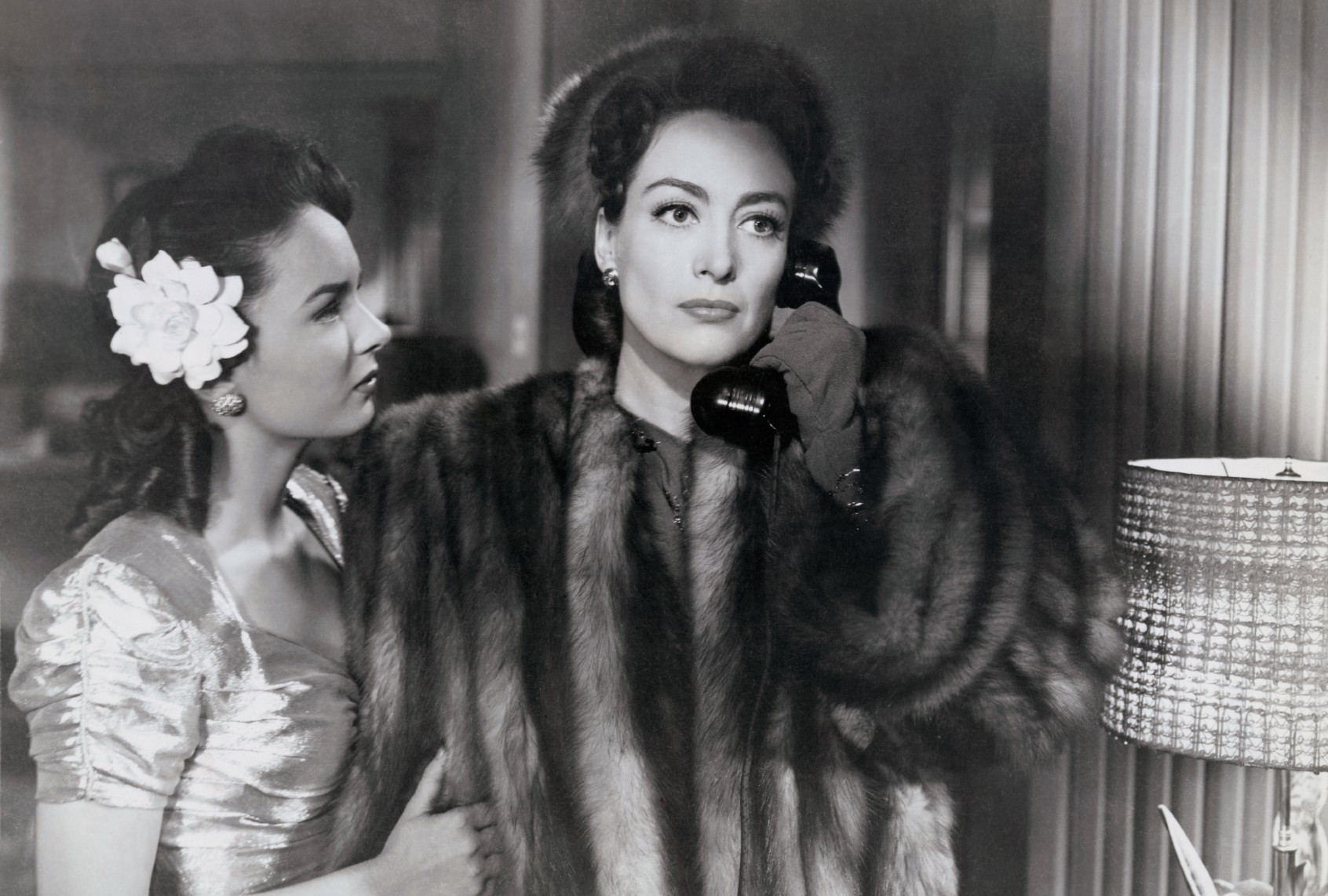
(Bettmann/Getty Images) Ann Blyth and Joan Crawford in the Warner Brothers’ drama, “Mildred Pierce”
What will Netflix get in this deal?
As strong as the Netflix brand is, it doesn’t have a standing studio presence on par with that of Warner Bros., nor a library of marquee franchises with generational appeal equal to the studio’s library. By acquiring WBD, Netflix would take control of J.K. Rowling’s Wizarding World franchise, “The Matrix” cosmos, and the DC Universe, along with a century’s worth of cinematic jewels, including “Casablanca,” “Mildred Pierce,” “Chariots of Fire” and a slew of other classics. (It also gets the company’s video game publisher WB Games, DC Comics and WBD’s theme park properties in the bargain, but those pose different challenges.)
What might a Netflix purchase mean for the future of HBO and HBO Max?
Anytime industry behemoths consolidate, it should set off alarms. Folding WBD into Netflix will almost certainly lead to a contraction of content diversity. But the prospect of HBO’s hitmakers answering to Netflix has spun up exaggerated visions of TV’s premiere premium cable brand being diminished by the content factory responsible for “Love Is Blind” and “Is It Cake?”
Netflix’s challenge will be figuring out what Zaslav couldn’t once Warner Bros. absorbed Discovery, which is how to best showcase HBO’s distinct offerings.
As many veteran analysts point out, Netflix CEO Ted Sarandos has long aspired to make Netflix’s top-tier dramas and comedies a creative match for HBO’s. Indeed, among the 2026 Golden Globe nominees announced on Monday, HBO Max’s “The Pitt” and HBO’s “The White Lotus” will compete against Netflix’s “The Diplomat” in the best drama category, with “Hacks” (HBO Max) facing off with “Nobody Wants This” (Netflix) in the best comedy race. HBO doesn’t even show up in the best limited series category while Netflix’s “Adolescence,” “Black Mirror” and “The Beast In Me” occupy three of its five slots.
Point being, Netflix has pretty much reached Sarandos’ stated goal “to become HBO faster than HBO can become us.” His admiration for HBO is well-established, and it would be an unwise business strategy to kill or diminish prestige TV’s standard bearer after acquiring it.
Instead, Netflix’s challenge will be figuring out what Zaslav couldn’t once Warner Bros. absorbed Discovery, which is how to best showcase HBO’s distinct offerings.
What about theatrical releases?
That is, indeed, the multibillion-dollar question. In the past, Sarandos has opined with a “c’est la guerre” shrug that the rise of streaming has shifted movie consumption out of theaters and into living rooms. Trends back that up. Theatrical attendance was already in decline before the pandemic accelerated that nosedive. Directors, producers and owners of theater chains fear that Netflix’s WBD takeover can only be further deleterious to the box office ecosystem.
Since the deal was announced, though, Sarandos pledged that his company would maintain Warner Bros.’ release schedule for the time being – emphasis on that last part. Netflix is a tech company at heart. All it takes for such pledges to vanish is a few miserable quarterly earnings reports.
Insiders are mainly concerned about the further narrowing of the window between a movie’s theatrical exclusivity and its arrival on digital, which, again, is not unfounded.
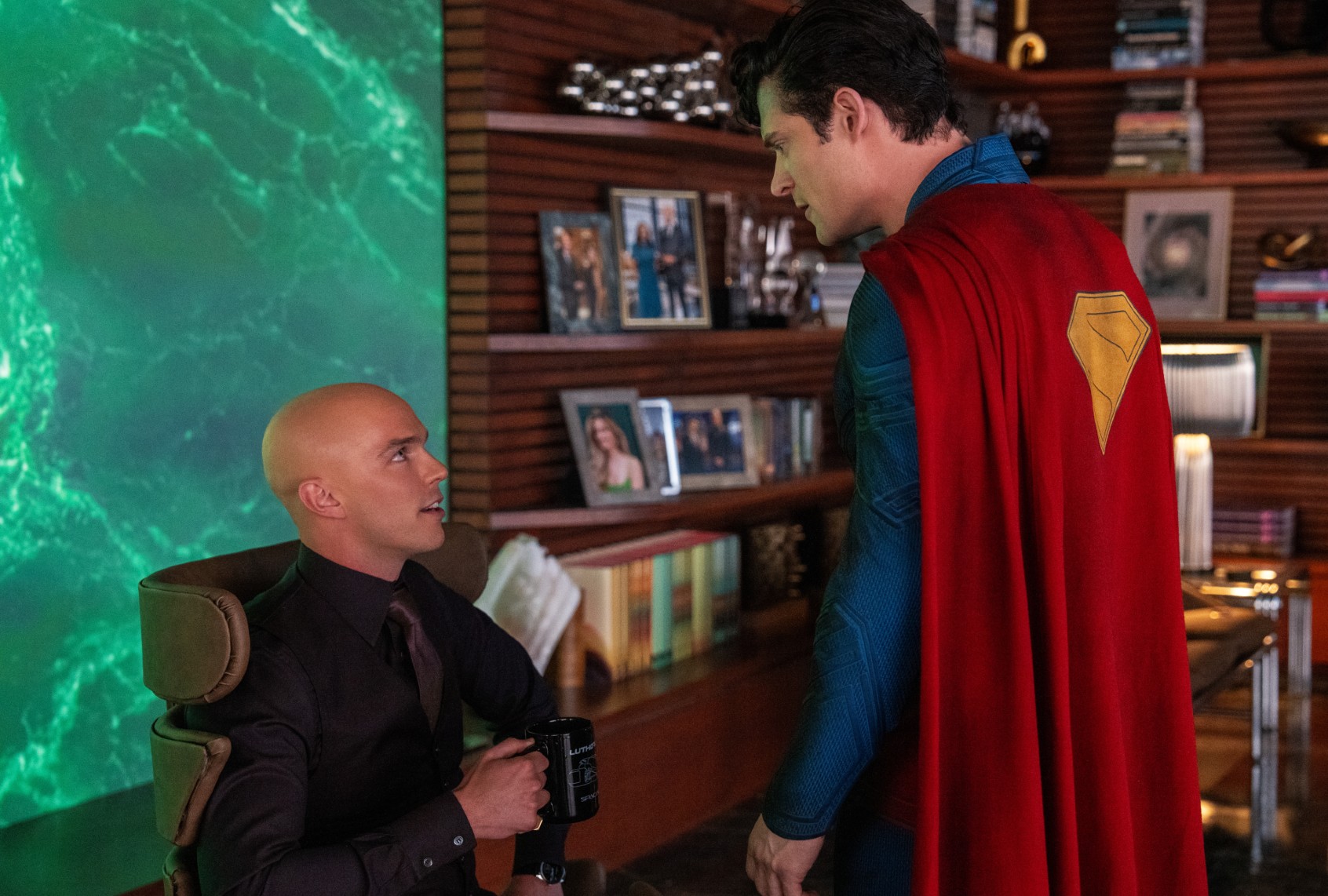
(Jessica Miglio/Warner Bros. Pictures) Nicholas Hoult and David Corenswet in “Superman”
That said, no executive with half a brain would toss out a reliable global revenue stream. Netflix is available in a lot of countries, but theaters persist in many more places. And the international revenue for releases like “A Minecraft Movie” and “Superman” is still very healthy.
Additionally, Netflix has demonstrated the value of granting its most prestigious titles a theatrical release prior to streaming, along with building on unexpected hits like “KPop Demon Hunters” by granting them theatrical runs after their successful streaming debuts. One imagines that if a phenomenon equivalent to that movie or “Sinners” were to manifest under Netflix, it would extend their box office footprint accordingly.
Then again, auspicious deals like the one “Sinners” auteur Ryan Coogler secured under the old Warner Bros. may be less attainable under this new regime.
Want more from culture than just the latest trend? The Swell highlights art made to last.
Sign up here
OK, so what happens to, say, TNT, CNN, Discovery and the other cable networks Netflix isn’t acquiring?
The linear cable channels Netflix isn’t buying will be spun into a separate entity to be run by WBD chief financial officer Gunnar Wiedenfels, much in the way NBCUniversal spun off USA Network, MS NOW (formerly MSNBC), Syfy, E! and its other cable channels into a venture known as Versant.
That means that, for now, CNN staffers can breathe a sigh of relief at knowing they won’t face having to report to conservative darling Bari Weiss, who is on her way to ruining CBS News. But that could still happen if Ellison’s takeover bid succeeds. Even if it doesn’t, there’s nothing to prevent Paramount Skydance or other smaller media entities, including the likes of Sinclair, from making a run at buying those networks. CNN could very well find itself caught between some unknown devil and Ellison’s deep pockets, and either could be terrible for democracy.
Is there a bright side to any of this?
Yes. Despite Sarandos’ expressed confidence that this deal will finalize smoothly, HBO Max is the third-largest streamer, thus Netflix’s proposed absorption of the service will certainly come under heavy antitrust scrutiny from the Federal Trade Commission or the Department of Justice. Since Trump rarely passes up the chance to insert himself into Hollywood-related drama, we should take seriously his intention to involve himself in the proceedings.
Now that Paramount Skydance has leapt into the fray, it’s tough to predict whether Sarandos’ declared timeframe to close the deal within 12 to 18 months is realistic. Trump’s coziness with Ellison is expected to influence regulators’ determinations as to whether Netflix’s move violates antitrust law.
And since Ellison has taken his bid directly to WBD shareholders, offering cash versus Netflix’s cash-and-shares deal for all of Warner Bros. Discovery, including its cable channels, the details and ramifications of this proposed merger could change entirely within days.
Then there are European regulators to consider, since their approval is also required before the purchase can be finalized.
So cheer up, everyone — it might not happen. And no matter how it all shakes out, it’s inevitable that many people will continue to see everything as Netflix, although navigating all that content may not necessarily be a piece of cake.
Read more
about Hollywood’s industry upheavals