
SEHRB, Intersociety allege killings, torture in South-East
By Chinedu Adonu
ENUGU — A coalition of human rights organisations has called for an independent investigation into alleged killings, torture, enforced disappearances, secret burials and deaths in custody linked to security operations in South-East Nigeria.
The coalition, comprising the South-East Human Rights Bureau (SEHRB), Oganihu Igbo Development Foundation and the International Society for Civil Liberties and Rule of Law (Intersociety), also demanded a probe into reports of unidentified bodies in mortuaries in Imo State.
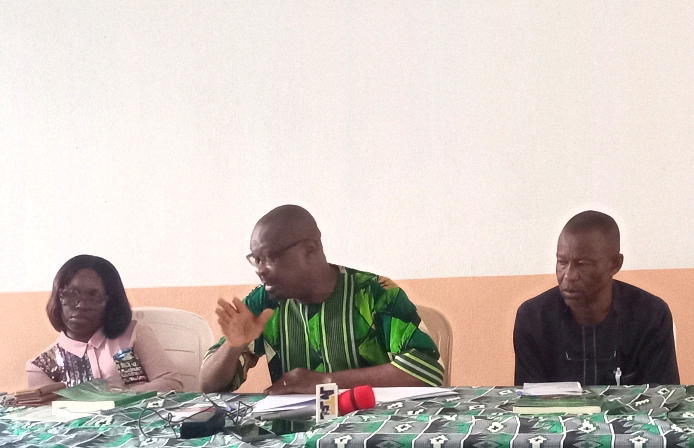
Addressing a joint press conference in Enugu on Saturday, the organisations alleged that some detainees had been subjected to prolonged detention without access to their families and lawyers, as well as torture and other forms of inhuman treatment.
They expressed concern that persons reportedly arrested in the South-East had been transferred to detention facilities outside the region, including Wawa Barracks in Niger State and custodial centres in Kuje and Suleja, without their families being adequately informed of their whereabouts.
“Our position is clear: the State has a duty to protect citizens from violence, but security operations must themselves comply with the law. Fighting lawlessness cannot justify lawlessness by the State,” the coalition said.
The organisations presented accounts from families whose relatives allegedly disappeared after being arrested by security operatives, with some reportedly remaining unaccounted for years after their arrest.
One of the cases highlighted was that of Ozioma Elizabeth Onyeaka, a 35-year-old teacher from Anambra State, who reportedly disappeared for more than five years before her family learnt that she was alive and being detained at Wawa Barracks.
The coalition also raised concerns over the case of Sunday Ifedi and his wife, Calista, who were reportedly arrested by operatives of the Department of State Services (DSS) in Enugu in 2021 and transferred to Wawa Barracks.
According to the organisations, Sunday regained his freedom after more than four years in detention, while Calista allegedly died in custody.
The coalition said allegations attributed to Sunday and human rights activist Omoyele Sowore indicated that Calista was buried in a shallow grave at Wawa Barracks.
It demanded an independent investigation into the circumstances surrounding her reported death, the disclosure of relevant custody and medical records, and the identification of her burial location.
The organisations said that if the allegations were established, her remains should be recovered and released to her family for a dignified burial.
Another case cited was that of Esther Okwudili Egbom, who was reportedly arrested by DSS operatives during a night prayer programme in Aba, Abia State, in February 2025.
Her daughter, Chiamaka, alleged that the operatives were searching for another person who had fled before their arrival but arrested her mother because she owned the ministry where the operation took place.
The family reportedly had not seen Egbom since the incident. Chiamaka also alleged that her brother was beaten during the operation and subsequently died.
The coalition demanded that the DSS account for Egbom’s whereabouts and investigate the circumstances surrounding the alleged death of her son.
Other testimonies presented by the organisations included allegations of torture, prolonged detention and denial of family contact involving persons reportedly arrested in Owerri, Orlu and other parts of the South-East.
The coalition said the allegations, if substantiated, could amount to serious violations of constitutional rights, the Anti-Torture Act 2017 and Nigeria’s international human rights obligations.
Probe of unidentified bodies
On reports of unidentified bodies in Imo State, the organisations called for independent forensic investigations to establish the identities of the deceased and determine the circumstances surrounding their deaths.
They demanded the preservation of mortuary registers, police records, autopsy reports and other relevant evidence, as well as the use of DNA testing where necessary to identify the remains.
The coalition urged the Federal Government, the Inspector-General of Police, the DSS, military authorities, the Attorney-General of the Federation and the National Human Rights Commission to establish an independent investigative mechanism to examine the allegations of disappearances, torture and deaths in custody.
It also called for a comprehensive audit of detention facilities to establish the identities and legal status of detainees, their custody histories and whether they had access to judicial safeguards.
The organisations, however, condemned killings, abductions and other atrocities allegedly committed by armed separatist elements, criminal gangs and other non-state actors in the region.
“There must be no hierarchy of victims,” they said, adding that civilians killed by armed criminals, persons unlawfully killed by security personnel, detainees who disappear in state custody, torture survivors and unidentified dead all deserved truth, justice and accountability.
The coalition urged the National Assembly, the Nigerian Bar Association, civil society groups, religious and traditional leaders, and the media to support credible investigations into the allegations.
“The missing must be accounted for. The detained must have access to justice. The dead must be identified and treated with dignity,” the organisations said.