
Drug Addiction: Arrest is not recovery – Prof Daniel Ikpechukwu
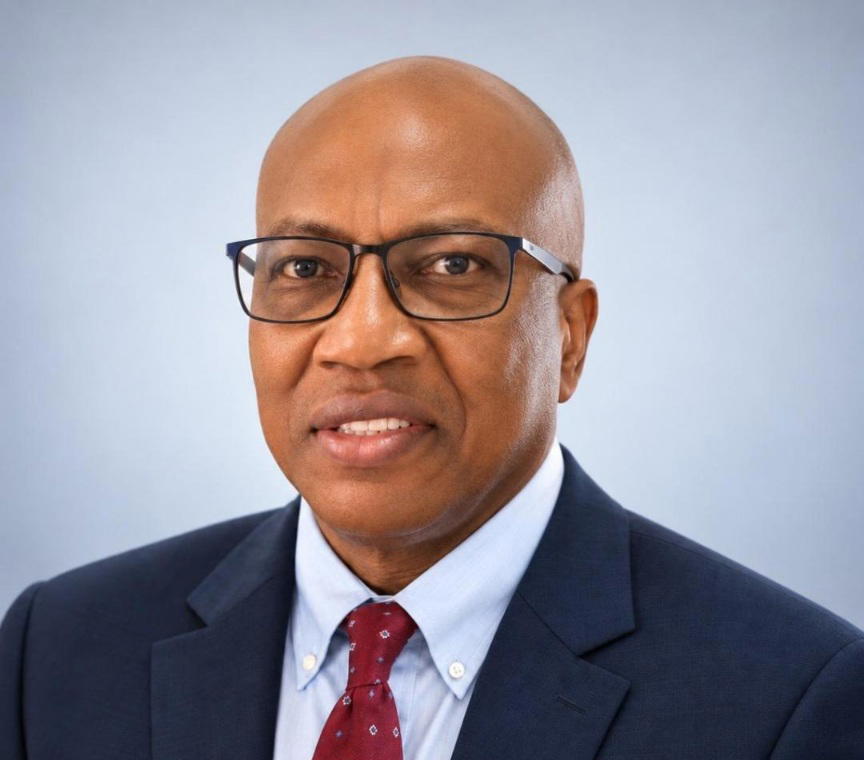
*Why Nigeria must connect accountability for drug-related offences with access to treatment, rehabilitation and sustained support for young people
By Sola Ogundipe
Punished but not healed
Nigeria’s revolving door of arrest, release and relapse
According to Ikpechukwu, drug use does not occur in isolation. For many young people, it intersects with unemployment, economic pressure, trauma, peer influence, family stress and social exclusion.
In his presentation, Ikpechukwu’s argument brought the intersection of public health and justice into focus. A young person’s encounter with the justice system, he showed, can become either a revolving door of arrest, release and repeat offending or a turning point towards assessment, treatment and recovery.
He challenged the country to rethink its response to youth drug addiction and the intersection between substance use disorders and the criminal justice system.
In his presentation, Ikpechukwu posed a question that went to the heart of the debate: “Which pathway better protects the young person, the family and society?”
His argument was not that drug-related offences should be excused or that addiction should become a blanket defence against criminal responsibility. Rather, he called for a response that recognises the distinction between criminal accountability and the treatment of a health condition.
“Not excusing crime. Not criminalising illness. Not abandoning accountability,” Ikpeachukwu stressed in framing the purpose of a more effective response. The goal, he explained, should be to “identify addiction early”, “assess risk and need”, “hold people accountable”, “treat what is treatable” and “support recovery”.
His words “Not every person who uses drugs has an addiction..Not every offence committed by a person who uses drugs is caused by addiction.”
For Nigeria, where drug use and the consequences of substance use disorders remain significant public health concerns, he explained that this distinction has implications for the police, courts, correctional institutions, health authorities and agencies responsible for drug control.
It also raises a difficult question about what happens after enforcement: when a young person is identified as needing help, is appropriate treatment available, and who ensures that the person can access it?
Price of treating illness as crime
Ikpechukwu asked: ‘Do we wait for addiction to become a crime problem before treating it as a health problem?” The question resonates with public health and drug prevention messaging associated with the United Nations Office on Drugs and Crime (UNODC) and the National Drug Law Enforcement Agency (NDLEA).
The scale of the challenge was underscored by the UNIDOC’s national drug-use survey, conducted in 2018 and published in 2019. The survey estimated that 14.3 million Nigerians aged 15 to 64 had used drugs in the previous year. About one in five people who used drugs had a drug use disorder, while nearly 40 per cent of high-risk drug users who wanted treatment were unable to obtain it.
“These are historical estimates rather than current prevalence figures, but they point to a longstanding concern: the gap between the need for treatment and access to care.”
For young people, he noted, substance use may intersect with trauma, family strain, unemployment, economic pressure, peer influence and social exclusion, but these circumstances do not excuse offending, but they can complicate recovery.
“Where services are scarce, treatment is unaffordable or follow-up support is weak, a young person may leave custody without the care needed to sustain recovery or the practical support needed to rebuild a life.”
Ikpechukwu’s presentation challenged authorities to look beyond arrests and prosecutions and ask whether the system is producing better outcomes.
Who ensures that a young person referred for treatment actually receives it? What happens when rehabilitation is recommended but suitable services are unavailable? Who follows up after release to determine whether treatment continues and whether the individual is reintegrating into the community?
In his view, these responsibilities cannot rest on law enforcement alone, they require coordination among health authorities, justice institutions, drug-control agencies, qualified treatment providers, families and communities. They also require clear measures of progress, including access to treatment, completion of appropriate programmes, continuity of care after release, successful reintegration and reductions in repeat offending.
“Treatment itself must be more than a referral or a court order. Where clinically appropriate and legally permissible, it should involve proper assessment, medical and psychological care, relapse prevention and continuing support.
“Depending on the individual’s circumstances, recovery may also require help returning to education, developing employable skills, securing work and rebuilding damaged family relationships.”
Ikpechukwu cautioned against treating rehabilitation as a box-ticking exercise. His warning was direct: “Mandate treatment carefully. Never mandate poor treatment. A court order cannot create treatment facilities where none exist, guarantee qualified care or ensure that support continues after release.”
Any diversion or treatment programme must therefore be based on clinical need, lawful criteria, due process and appropriate safeguards, while protecting public safety.
“Ultimately, the issue is not whether Nigeria should choose treatment over accountability. It is whether the country can make both work together, responding firmly to offending while ensuring that young people who need treatment are not left without help.”
When youth addiction becomes a justice problem
As he put it, “The measure of success is not simply fewer arrests, it is fewer young people trapped in addiction, crisis and repeat offending.”
That requires authorities to measure not only how many people are arrested or prosecuted, but also whether those who need care can obtain it, whether treatment continues after release and whether young people have a realistic chance of returning to their families and communities without falling back into the same cycle.
His closing message captured the challenge facing Nigeria’s justice and public health systems: “Justice should hold young people accountable, but where addiction is part of the problem, recovery must become part of the solution.”
The real test is whether Nigeria can turn that possibility into a functioning system, one in which treatment is accessible, accountability is meaningful and recovery is treated not as an afterthought, but as part of the solution.