
Nigeria targets 3m bpd, $50bn investment, 215tcf gas
By Victor Ahiuma-Young & Johnbosco Agbakwuru
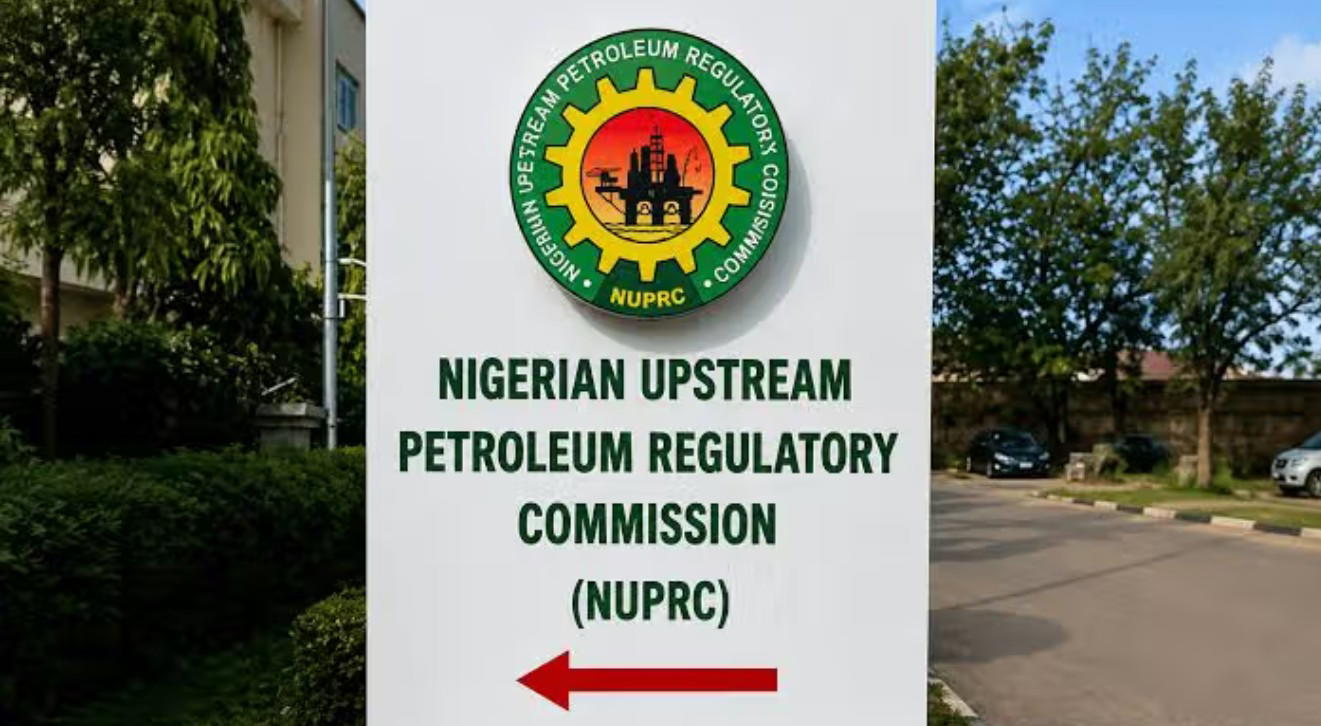
ABUJA — The Federal Government has unveiled fresh plans to unlock Nigeria’s more than 215 trillion cubic feet (tcf) of proven natural gas reserves for industrial development, as the Nigerian Upstream Petroleum Regulatory Commission (NUPRC) said the country could raise crude oil production to three million barrels per day.
The developments were disclosed yesterday at the fifth edition of the PENGASSAN Energy and Labour Summit, PEALS 2026, in Abuja, where government officials, regulators, industry operators and labour leaders outlined measures to reposition the oil and gas sector for sustainable growth.
The NUPRC also disclosed that the Federal Government was targeting between $30 billion and $50 billion in fresh investment in the oil and gas industry, following incentives introduced to stimulate development, particularly in deepwater operations.
Speaking at the summit, the Secretary to the Government of the Federation, SGF, Senator George Akume, said Nigeria must move beyond crude oil extraction and maximise its vast gas resources as a source of energy, industrial feedstock and economic growth.
Akume, who was represented by Prof. Olatunde Bolade, said the country’s more than 215tcf of proven gas reserves offered an opportunity to diversify the economy and accelerate industrialisation.
He said the Federal Government was seeking to deploy gas for power generation, manufacturing, fertiliser and petrochemical production, transportation and other productive activities.
“Gas can provide the reliable energy for manufacturers. It can support fertilizer and petrochemical industries. It can provide feedstock for industrial development and create opportunities for investment across the value chain,” he said.
The SGF said the administration had accelerated the Decade of Gas programme under the Renewed Hope Agenda as part of efforts to increase domestic gas utilisation.
He said the ultimate objective was to ensure that Nigeria did not merely extract hydrocarbons but converted its petroleum resources into industrialisation, job creation, technology transfer and broader economic growth.
Nigeria targets 3m bpd
Also speaking, the Chief Executive of the NUPRC, Meyiwa Eyisan, expressed confidence that Nigeria could achieve crude oil production of three million barrels per day through increased investment, improved regulation and stronger collaboration among stakeholders.
Eyisan said Nigeria could no longer afford to postpone the development of its petroleum resources.
“Together, three million barrels will be achieved,” she said, stressing that the target could be realised through sustained efforts across the industry.
She said the Petroleum Industry Act had established the regulatory framework required for upstream development, while the Commission was reviewing regulations that had constrained investment and production.
According to her, ageing infrastructure remains one of the major challenges confronting the sector, alongside regulatory provisions that need to be adjusted to reflect current industry realities.
$50bn investment drive
The NUPRC boss said the Federal Government was targeting between $30 billion and $50 billion in new investment in the oil and gas sector, particularly in deepwater operations.
She said the investment drive was necessary to reverse the decline in capital inflows into the industry.
Eyisan recalled that investment in Nigeria’s oil and gas sector stood at about $26 billion in 2014 but declined sharply to about $2 billion between 2020 and 2023.
She said the Commission’s annual licensing rounds, which began in 2023, would continue to create opportunities for investors to participate in the development of Nigeria’s upstream resources.
Gas reserves as catalyst
Akume said the government’s gas strategy was closely linked to Nigeria’s broader industrialisation ambitions.
He said greater gas utilisation could provide more reliable energy for manufacturers while supporting the development of fertiliser, petrochemical and other gas-based industries.
The SGF also linked gas development to the expansion of domestic refining capacity, saying increased refining would create jobs, stimulate logistics and transportation, expand opportunities for local contractors and service companies, and reduce foreign exchange requirements for petroleum product imports.
He said the naira-for-crude initiative was also intended to strengthen domestic refining and supply security by facilitating crude supply to domestic refineries using the naira.
NUPRC unveils gas swap initiative
Eyisan also disclosed that the NUPRC had introduced guidelines for gas swap arrangements aimed at addressing challenges affecting domestic gas supply.
Under the arrangement, she explained, an operator with a domestic gas supply obligation but without the necessary evacuation facilities could enter into a swap arrangement to meet the obligation.
She described the initiative as a “game changer” and disclosed that the Commission was considering extending the arrangement to oil swaps.
NNPC demands discipline
The Group Chief Executive Officer of NNPC Limited, Bayo Ojulari, said regulatory reforms could only produce the desired results if industry players operated with discipline and respect for established rules.
Ojulari, who was represented by the company’s Human Resources representative, challenged stakeholders to tackle waste, indiscipline and reckless practices capable of undermining the stability and growth of the industry.
He said regulatory discipline should become a shared standard rather than an external requirement imposed by regulators.
The NNPC chief executive also stressed the importance of workers to the sustainability of the petroleum industry, urging employers to value, listen to and fairly treat their workforce.
Stronger local content
The Minister of Labour and Employment, Dr Muhammad Dingyadi, said industrial harmony would be critical to achieving sustainable growth in Nigeria’s oil and gas industry.
Dingyadi said workers must be empowered and disputes resolved through dialogue if the sector was to remain competitive.
He said strong regulatory frameworks were necessary to boost investor confidence and ensure equitable growth, while also protecting workers and promoting responsible exploitation of Nigeria’s petroleum resources.
Meanwhile, the President of PENGASSAN, Festus Osifo, called for stricter enforcement of Nigerian Content provisions governing expatriate employment.
Osifo said expatriate quota approvals should be tied to measurable knowledge transfer, succession plans and deliberate Nigerianisation of positions occupied by foreign personnel.
He said every expatriate engagement should ultimately leave behind greater Nigerian capacity.
The PENGASSAN president also called for smarter rather than weaker regulation, urging regulators to understand commercial realities, embrace technology, eliminate unnecessary duplication and provide investors with predictable rules.
The stakeholders spoke at the summit themed, “Strengthening Regulatory Frameworks as a Catalyst for Stability and Growth in Nigeria’s Oil and Gas Industry.”