
Child marriage among children aged 12-17 remains high in Oti region – GSS

Data from the Ghana Statistical Service (GSS) has revealed considerable disparities in the number of children aged between 12 and 17 years, who have ever been in a union across the nine Municipal and District Assemblies (MDAs) in the Oti Region, with girls accounting for the majority of the cases.
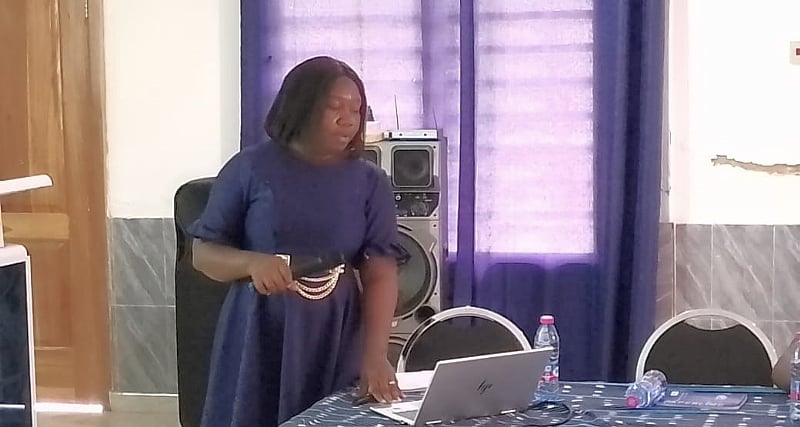
The statistics were disclosed by Madam Esther Hammond, the Acting Oti Regional Director of the Department of Gender, Children and Social Protection, during an interview with the Ghana News Agency (GNA), on the sidelines of a regional stakeholder engagement on child protection and gender-based violence.
The engagement, organised by the Alliance for Reproductive Health Rights (ARHR), formed part of efforts to strengthen child protection systems and promote coordinated action against child marriage and gender-based violence in the region.
The GSS data said the Nkwanta North District recorded the highest number of children aged 12 to 17 years, who had ever been in a union, with more than 1,100 cases, the majority of whom were females.
The Nkwanta South Municipality followed with close to 900 children in early unions, also dominated by female adolescents.
The data further indicated that the Krachi East Municipality recorded more than 500 children in unions, while the Krachi Nchumuru District and Kadjebi District each registered over 400 cases.
The Krachi West Municipality reported close to 400 cases, with the Guan District recording fewer than 300, but the Biakoye District registered more than 250 cases, and Jasikan Municipality over 200 children who had ever been in a union.
Madam Hammond noted that the statistics underscored the persistent challenge of child marriage and early unions in parts of the region, particularly among girls, despite ongoing advocacy and legal measures aimed at eliminating the practice.
She stressed the need for intensified public education, stronger enforcement of child protection laws and increased collaboration among stakeholders to address the socio-cultural and economic factors driving child marriage.
Participants at the engagement described the findings as a wake-up call for government institutions, traditional authorities, educational institutions, health professionals, social welfare agencies, law enforcement bodies, civil society organisations and community leaders to strengthen interventions to safeguard the rights of children.
They called for greater investment in girls’ education, comprehensive adolescent reproductive health services, economic empowerment programmes for vulnerable households, and expanded social protection initiatives to tackle the root causes of child marriage.
The stakeholders emphasised that sustained collaboration among government agencies, development partners, traditional leaders and local communities would be crucial to ending child marriage, promoting gender equality and ensuring that every child has the opportunity to develop and realise his or her full potential.
GNA