
The timeless gift of Scrooge
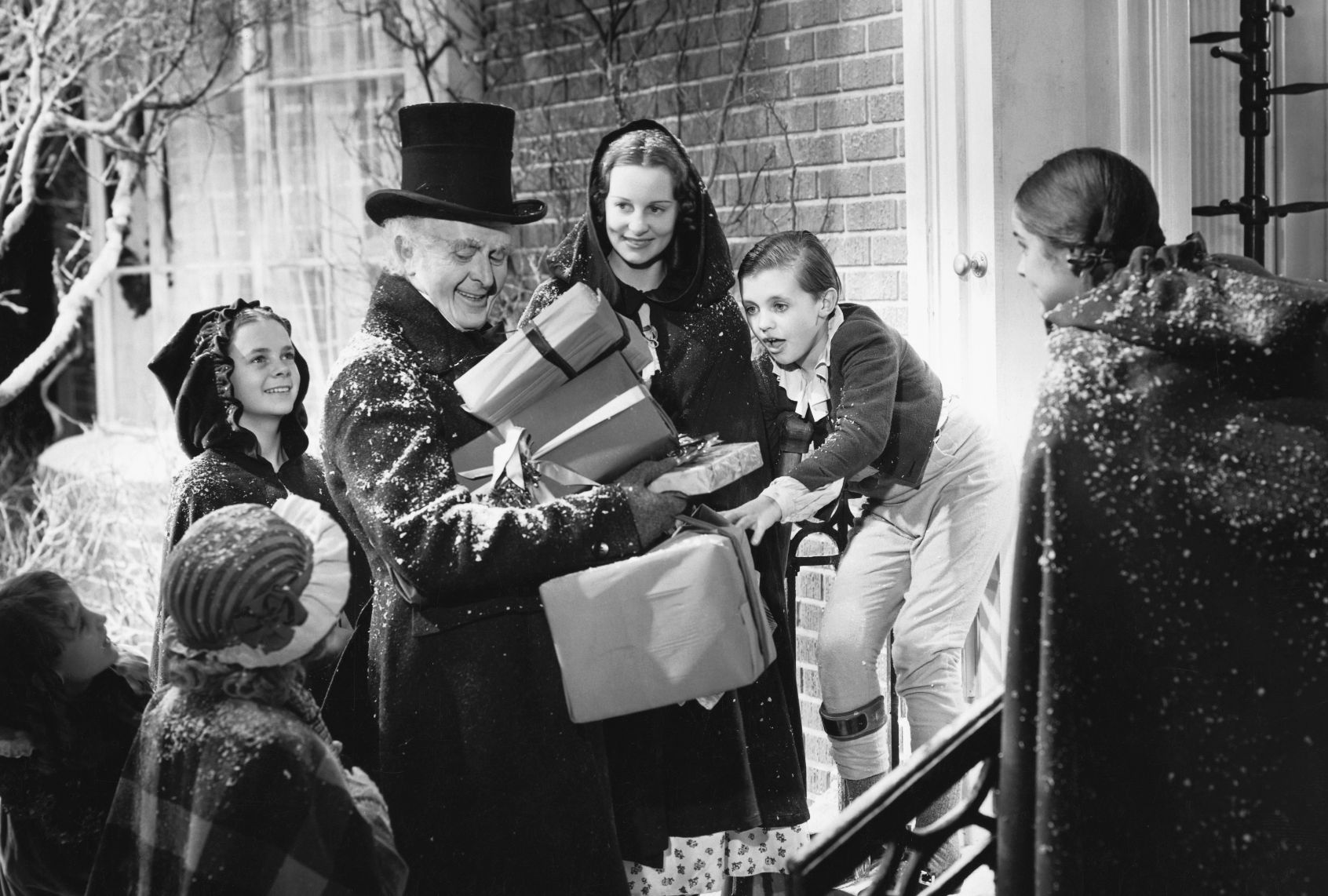
Copyright law is a beautiful thing. Not only does it give hard-working artists and creators the chance to own their work and enjoy the fruits of their labor to their fullest possible extent, but copyright also does something else wonderful — it expires. While this can prove tricky for famous estates and those looking to capitalize from someone else’s legacy, it ensures that beloved works can live forever, even if it’s in some loony, bastardized way. Once the work is old enough and its creator is long gone, it enters the public domain, where it’s free for anyone to adapt, twist, remix, chop and screw as they wish. And each year, when the twinkling holiday lights fade to a hazy glow and the gingerbread is nothing more than crumbs, I thank copyright law for giving me my favorite Christmas tradition: Ebony Scrooge.
“A Diva’s Christmas Carol” is a life-altering, life-affirming event movie to rival even the best Dickens alteration.
Twenty-five years ago this month, VH1 released an extremely loose TV movie adaptation of Charles Dickens’ 1843 novella, “A Christmas Carol,” aptly titled, “A Diva’s Christmas Carol.” Dickens’ story is one of the most famous tales ever spun. It’s been translated into every language, transformed into countless adaptations (with new ones popping up almost every year) and been used to frighten children and taunt holiday grumps for more than a century. Everyone knows the story of Ebenezer Scrooge — his name has become synonymous with Christmastime crankiness, after all — his spectral former compatriot Jacob Marley and the three ghosts who appear on Christmas Eve to show Scrooge visions of his past, present and future. But the best thing about Dickens’ novella is that it is simple yet effective, providing an extremely stable foundation for any mad genius to build upon with their own version of his legend.
Even if you know the story of “A Christmas Carol,” even if you’ve seen so many adaptations that you think you’ll go into a Christmas coma if you have to sit through one more, you’ve never seen anything like “A Diva’s Christmas Carol.” While the film takes a clever yet light bit of finagling to find online, it’s worth the search: “A Diva’s Christmas Carol” is a life-altering, life-affirming event movie to rival even the best Dickens alteration. Starring Vanessa Williams as the titular prima donna, the brilliantly named Ebony Scrooge, the film follows Ebony’s transformation from penny-pinching pop star to charitable altruist. Not such a wild idea, sure, but then there are Ebony’s three ghosts — played by Kathy Griffin, Duran Duran’s John Taylor and a VH1 “Behind the Music” special, respectively — and her Jacob Marley, or Marli Jacob, Ebony’s former bandmate, played by TLC’s Rozonda “Chilli” Thomas. Pair that winning team with Williams’ tremendously campy performance as a fur-trimmed-leopard-print-wearing, her-way-or-the-highway, Capital-D diva, and you’ve got the ultimate reason why “A Christmas Carol” and Ebenezer Scrooge have maintained their relevance for 182 years.
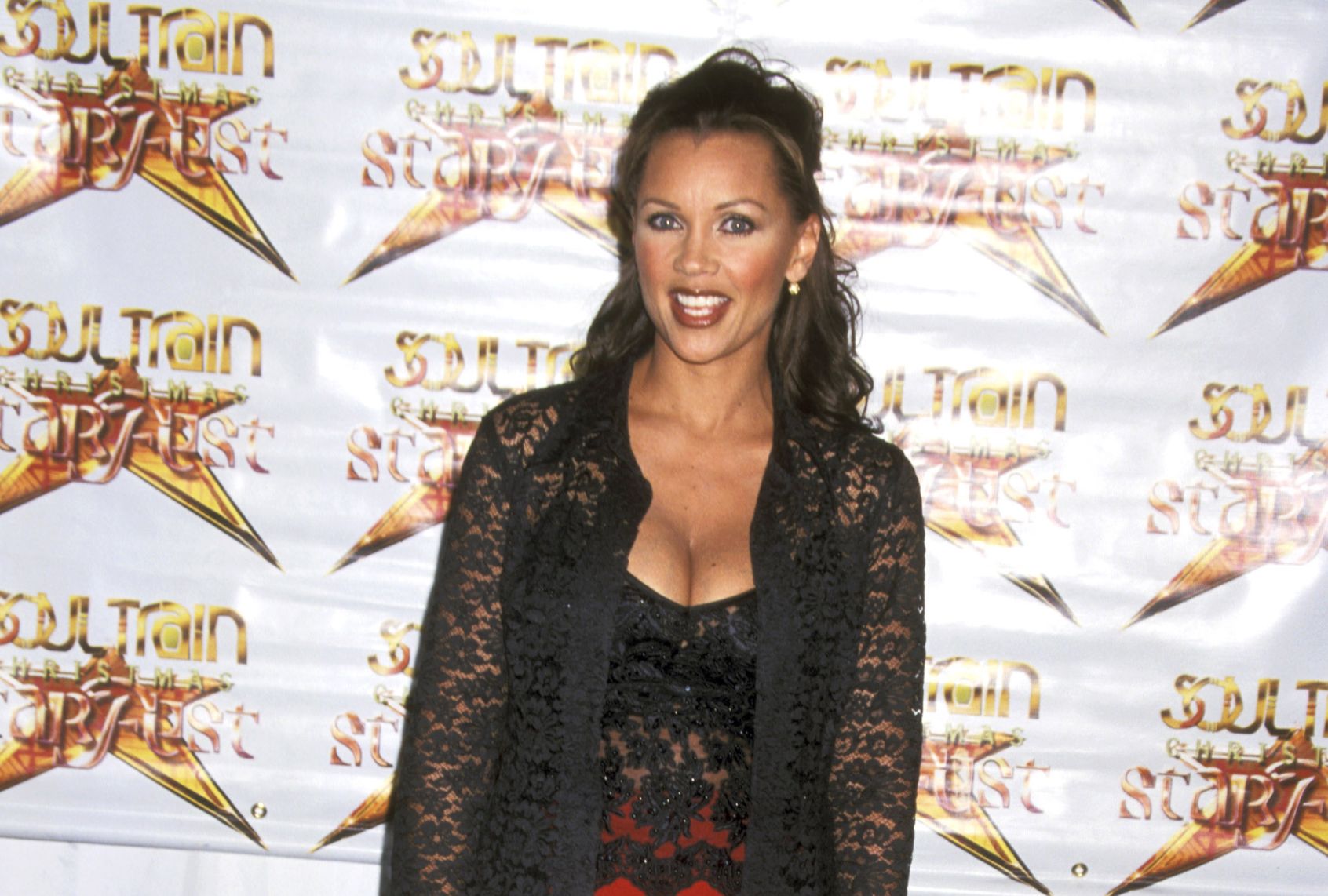
(Ron Galella/Ron Galella Collection via Getty Images) Vanessa Williams at the 3rd Annual Soul Train Christmas Starfest in Los Angeles, CA in November 2000
As an aficionado of Christmas movies from the moment my brain began to develop, I thought I had seen all there was to see when a group of friends first sat me down to watch “A Diva’s Christmas Carol” on a snowy morning in Philadelphia, 12 years ago. The title certainly perked my ears up, as did the cast. But what could this little-seen, made-for-television VH1 movie do for me that “The Muppet Christmas Carol,” “Scrooged” and the innumerable animated “Christmas Carol” specials from the “Flintstones” to “Alvin and the Chipmunks” hadn’t already?
How wrong I was, and how happy I am to this day to have been so objectively foolish for my suspicions. Written and directed by Richard Schenkman and featuring a pair of original songs from Williams — including the inimitable earworm, “Heartquake” — “A Diva’s Christmas Carol” glides along its 89 minutes with a self-assuredness that only a well-financed TV movie filled packed with seasoned professionals could. There is romance, drama, pathos and the verbal berating of hotel staff and music video directors. Ebony is a woman who won’t stand for anything but al dente farfalle and luxury accommodations, putting her touring band up in cheap motels while she lounges at the Plaza. And when her manager suggests a special headlining concert on Christmas to promote her new holiday album, Ebony forces her team to work the holiday under the pretense of “charity,” when she’ll really be skimming the proceeds herself.
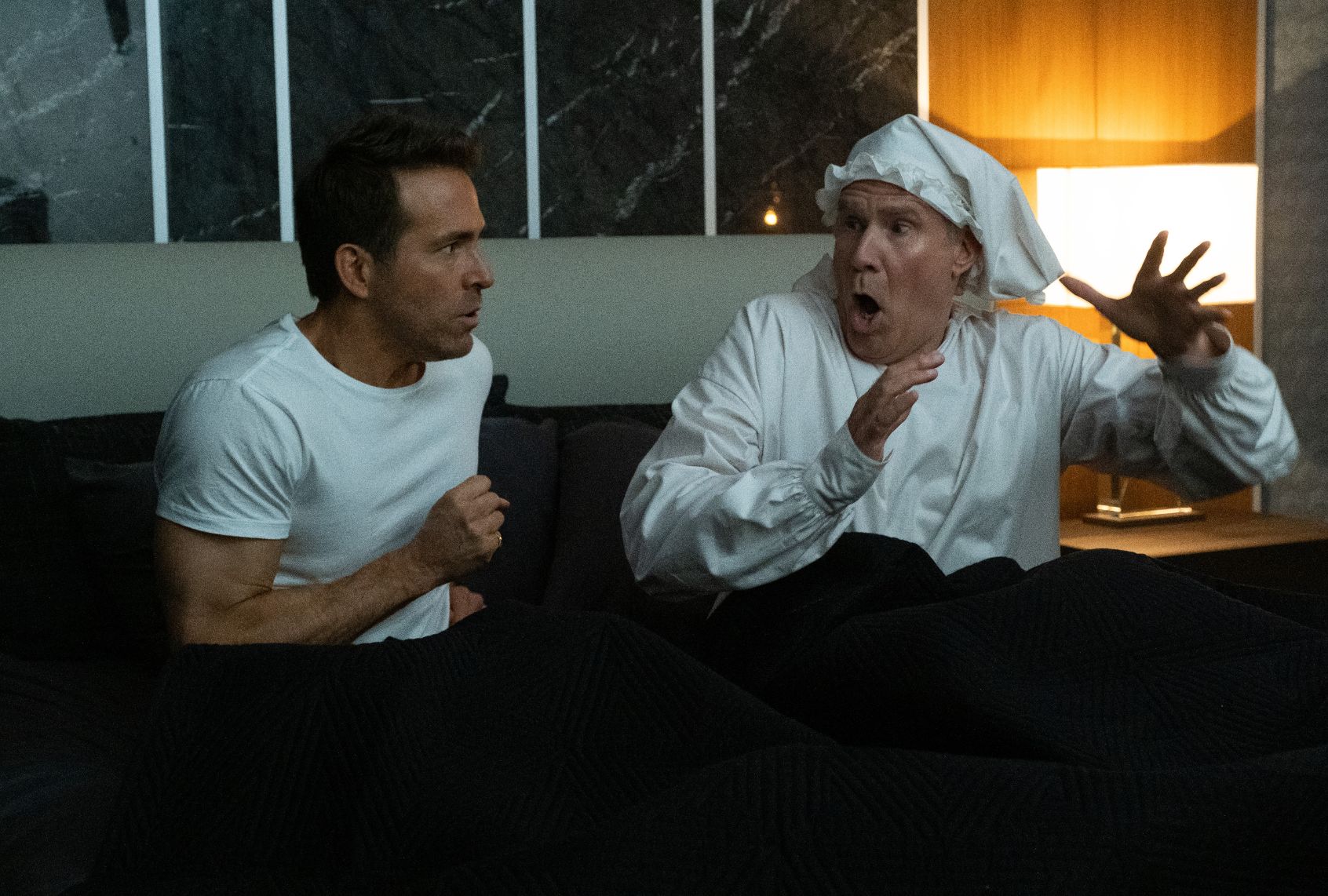
(Apple TV+) Ryan Reynolds as Clint Briggs and Will Ferrell as Ebenezer Scrooge in “Spirited”
Every version of “A Christmas Carol” follows this basic structure. The iteration of Ebenezer must commit a heinous act of greed so avaricious that it triggers a supernatural event, and Jacob Marley comes clinking and clattering during the night to warn of a visit from three spirits. From there, creators are left to their own devices, free to play with form and update the story as they wish. The results can be spectacular and memorable, like “The Muppet Christmas Carol,” which, with its beloved Muppet characters filling out iconic roles and Michael Caine playing Scrooge, demands to be watched annually. Other times, the outcome is far more dire, like the pair of 2023 “bah humbug!” boots that were “Spirited” and “A Christmas Karen.” In their mutual aim for a modern twist on a timeless classic, both the star-studded, multi-million dollar Apple TV+ movie and the low-budget indie comedy whiffed it entirely. Who could’ve guessed that a spin on “A Christmas Carol” that follows a woman with a bad haircut tormenting her neighbors might not be the most amiable take on this heartwarming story?
“A Christmas Carol” is a perfectly concise tale all about how the holiday spirit can change not just our minds, but our hearts, too.
That’s the funny thing about “A Christmas Carol”: For as eternal as this story is, not every adaptation can be good, or perhaps even more importantly, memorable. Just because Dickens’ novella was solid and durable enough to stand the test of time doesn’t mean that any spin will automatically be worth your time, especially because we’ve all seen this story play out before. But there’s something fascinating about our perennial curiosity time and time again. Why do we love this story so much, enough to subject ourselves to even the weirdest, most brainless versions of it that can be spun from the public domain? It’s quite simple, really: Dickens’ story is an immortal tale of the capacity for human kindness. At his core, Dickens believes that all of us have the ability to change, to do better and to be better. Our position in this life is not static. We can spend years — decades, even — set in our habits, and still find ourselves moved to step outside of our unyielding, Scroogey ways in pursuit of doing the right thing.
“A Christmas Carol” is a perfectly concise tale all about how the holiday spirit can change not just our minds, but our hearts, too. It’s about the difference between greed and generosity, and how easily the two can be swapped and confused, especially during the holiday season, when consumerism is dressed up with some extra shiny tinsel to distract us from the fact that Christmas is a billion-dollar industry. Like the childhood promises of Santa Claus (or threats of Krampus), Dickens stresses that goodness is critical year-round, and that actively giving — whether it be with money or the heart — will purify the soul in a way that no amount of wealth-hoarding can. The story is cheery, funny and even a little creepy in its Victorian goth way. It checks every box, and it’s just as effective for kids as it is for adults, with meaning that takes on new resonance as we grow older, and hopefully, more conscious of where our money goes and how much time we make for our loved ones when it counts.
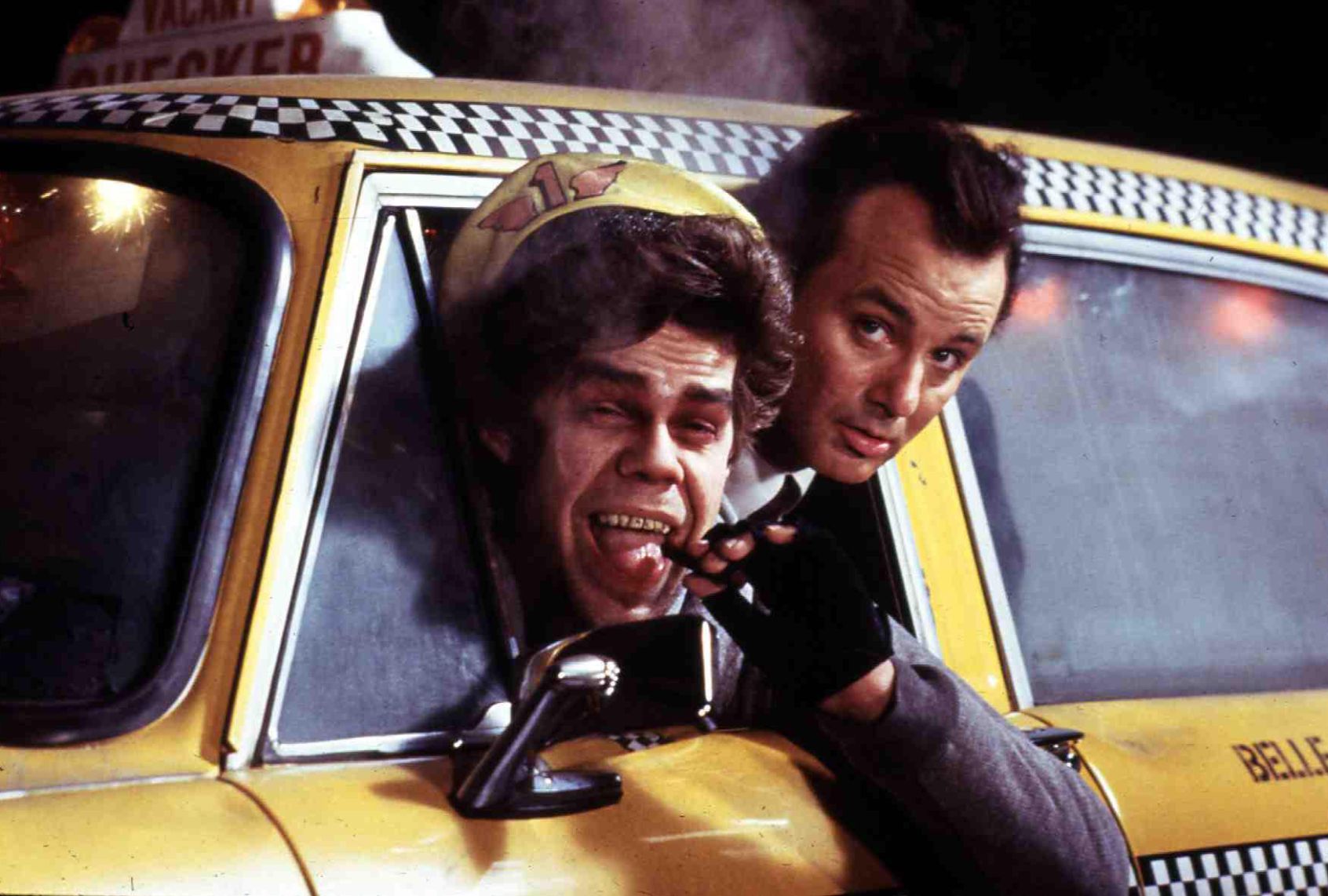
(FilmPublicityArchive/United Archives via Getty Images) David Johansen, aka Buster Poindexter, as the Ghost of Christmas Past and Bill Murray as Frank Cross in “Scrooged”David Johansen, aka Buster Poindexter, as the Ghost of Christmas Past and Bill Murray as Frank Cross in “Scrooged”
Surely, you won’t be surprised to know that everything works out for Ebony, too. After a frightening vision of her Christmas future in the form of her posthumous “Behind the Music” special, where accusations of miserliness and a private diary entry about a brief affair with Anne Heche — this was 2000, after all — are revealed, Ebony swears to change. She fires her manager, throws a dinner for her band, reunites with an old friend, donates heaps of Christmas albums to a children’s hospital and vows to put every penny of her holiday concert toward charity.
With its talk of physical CDs and Kathy Griffin’s old nose, “A Diva’s Christmas Carol” is wonderfully dated, yet totally timeless. It’s both a relic and a rare adaptation that truly maintains the spirit of Dickens’ classic, something that gives the viewer as much faith in the state of Christmas stories as it does human integrity. The stress of the holidays can turn any one of us into a bit of a diva. What matters is how we handle it, and with “A Christmas Carol,” Charles Dickens gave the world the best possible Christmas present: the enduring belief that things can always get better.
Read more
about Christmas movies and shows