
Winter storms expose a travel system with no room for error
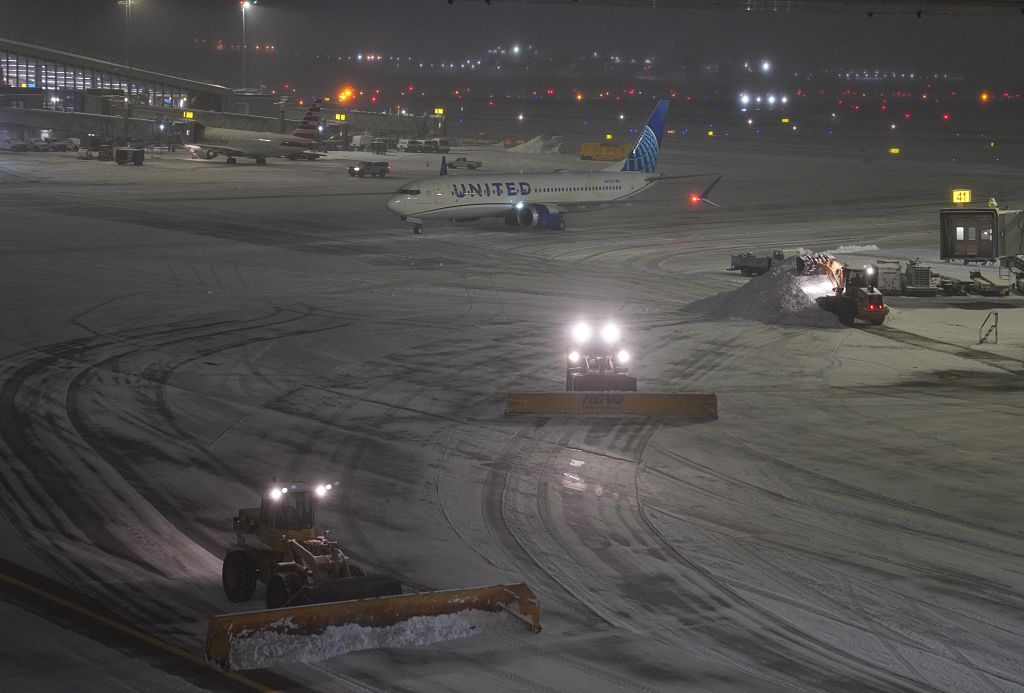
For thousands of Americans, the post-Christmas weekend began with canceled flights, overcrowded terminals and the sinking realization that getting home after the holidays might take days, not hours. Winter storms sweeping across both coasts turned holiday travel into a test of patience and exposed just how brittle the system has become.
In New York and across the Northeast, snow and ice triggered hundreds of flight cancellations and delays at major airports like New York’s JFK and LaGuardia, leaving travelers stuck on terminal floors and glued to departure boards that kept changing by the minute. Roads slowed to a crawl as plows struggled to keep up, and officials urged drivers to stay home if possible.
Updated numbers for JFK+LGA+EWR
805 flights cancelled today
427 flights cancelled tomorrow https://t.co/U5LouxpbxQ— Flightradar24 (@flightradar24) December 26, 2025
On the opposite coast, Southern California faced an even more destructive threat. Heavy rain from an atmospheric river system caused flooding and mudslides, particularly in areas still scarred by wildfires. Evacuation orders were issued as debris swept across roads and into neighborhoods, forcing emergency crews into constant response mode.
Oh and by the way, I don’t care if this amounts to nothing the look is exactly what you’d want to see if you’re looking for a major storm. We wait years many times to get a *projection* like this. All you can ask for is the potential, impossible to not discuss as a weather lover. pic.twitter.com/qoZULv9VGG
— Will Ciccone (@weatherwilly) December 27, 2025
This weekend, heavy storms are predicted in the Midwest that could also impact more travel in major hubs like Chicago and the Twin Cities. Fortunately, most of the largest causes of delay and winter travel issues should ease up at the beginning of next week.
Winter Storm Watch posted for significant snow Sunday, tapering Monday morning. This looks plowable with near-blizzard conditions south/west of MSP by late Sunday as winds gust to 40 mph. I’m telling family to leave today (tough love) or first thing Sunday.
Not sure how we… pic.twitter.com/SyQEezL5zr
— Paul Douglas (@pdouglasweather) December 27, 2025
Extreme weather alone doesn’t explain the scale of the disruption. The aviation system, in particular, entered this winter season already weakened, grappling with staffing shortages, aging infrastructure and budget cuts that have limited the federal government’s ability to absorb shocks. In addition, Department of Transportation Secretary Sean Duffy recently launched an initiative to bring air travel back to its “golden age” and civility that critics say focused more on appearances of its customers and less on what aviation actually needs for its infrastructure.
This week’s storms and delays highlight the problems with the appearance-focused current administration. Those department reductions and policy shifts affecting aviation oversight and transportation funding have left little slack when these kinds of storms hit.
Start your day with essential news from Salon.
Sign up for our free morning newsletter, Crash Course.
That fragility shows up fast during peak travel periods. Runways need extra clearing, planes need further de-icing, air traffic controllers are stretched thin and flight crews time out. When this happens, delays cascade nationwide. A storm that might once have caused minor inconvenience now brings the system close to paralysis.
While meteorologists say conditions should gradually improve within days, the impact of the cleanup, delays and stranded travelers may linger. For many Americans, the experience felt less like an unavoidable act of nature and more like a warning. As extreme weather becomes more frequent, the question isn’t whether storms will disrupt travel but whether the country is willing to invest in systems resilient enough to handle them. This weekend’s chaos suggests the answer, at least for now, is no.
Read more
about this topic