
Trump links D.C. shooting to sweeping immigration shutdown
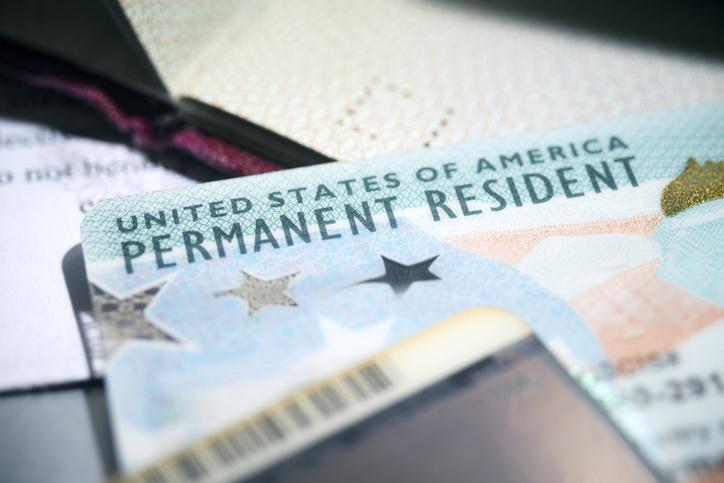
The Trump administration’s new immigration restrictions are drawing scrutiny from legal scholars and advocacy groups who say the policy disproportionately targets non-European countries and favors visitors and applicants from nations with predominantly white populations. The temporary halt, announced after the fatal shooting of two National Guard members by a suspect officials say was an Afghan national, blocks asylum decisions, green-card processing and naturalization for citizens of nearly 20 countries. Officials say the list will expand to more than 30.
A review of the affected nations shows that the restrictions apply almost exclusively to countries in Africa, the Middle East, South Asia, and parts of Latin America, while travelers from Europe, Canada, Australia, and New Zealand remain unaffected. Analysts note that the policy’s structure effectively creates a two-tiered system: one set of rules for countries with largely white populations and another for countries with predominantly non-white populations, regardless of individual risk assessments.
Countries with a total or partial ban already: Afghanistan, Burundi, Chad, Republic of the Congo, Cuba, Equatorial Guinea, Eritrea, Haiti, Iran, Laos, Libya, Myanmar, Sierra Leone, Somalia, Sudan, Togo, Turkmenistan, Venezuela and Yemen
Countries under consideration for a ban: Angola, Antigua and Barbuda, Benin, Bhutan, Burkina Faso, Cabo Verde, Cambodia, Cameroon, Cote D’Ivoire, Democratic Republic of Congo, Djibouti, Dominica, Ethiopia, Egypt, Gabon, The Gambia, Ghana, Kyrgyzstan, Liberia, Malawi, Mauritania, Niger, Nigeria, Saint Kitts and Nevis, Saint Lucia, Sao Tome and Principe, Senegal, South Sudan, Syria, Tanzania, Tonga, Tuvalu, Uganda, Vanuatu, Zambia and Zimbabwe
Administration officials describe the pause as a “security review,” but they have not released specific criteria for how countries are selected or removed. Homeland Security officials said only that the list reflects “current threat profiles.”
Immigration attorneys and rights organizations report immediate disruptions, including canceled interviews and halted processing at major service centers. Families with applications in progress say they have received little guidance about how long the pause will last or whether their cases will be reconsidered.
Start your day with essential news from Salon.
Sign up for our free morning newsletter, Crash Course.
Civil liberties groups are preparing legal challenges, arguing that the order appears to revive key elements of the earlier travel ban, which courts partly blocked for discriminating on the basis of national origin.
The White House maintains the restrictions are temporary and tied to the investigation into the shooting. Advocates and several former officials say the scale of the pause, combined with its concentration on non-European countries, raises broader questions about the administration’s long-term immigration priorities.
Read more
about this topic